Films
3 films
About Herbert Sutch
Character actor during the silent film era, primarily active in the early 1920s. He worked extensively with director D.W. Griffith, appearing in several of his notable productions during this period. Sutch's filmography, though brief, showcased his versatility as a supporting actor capable of portraying various character types. His most significant roles came in Griffith's films, where he often played authority figures, gentlemen, or character parts that added depth to the ensemble casts. Despite his limited screen time in these productions, Sutch's performances were consistently professional and contributed to the overall quality of these early cinematic works. His career appears to have been concentrated primarily between 1920 and 1923, coinciding with the peak of Griffith's production years. Like many character actors of the silent era, Sutch's contributions to early cinema have been largely overlooked by mainstream film history, though his work remains preserved in these classic films.
The Craft
On Screen
As a character actor in the silent era, Herbert Sutch employed the exaggerated gestures and facial expressions typical of the period. His performances were characterized by a dignified presence and clear emotive capabilities that translated well to the medium of silent film. Sutch demonstrated particular skill in portraying gentlemen and authority figures, using subtle yet effective body language to convey his characters' social status and personality traits.
Milestones
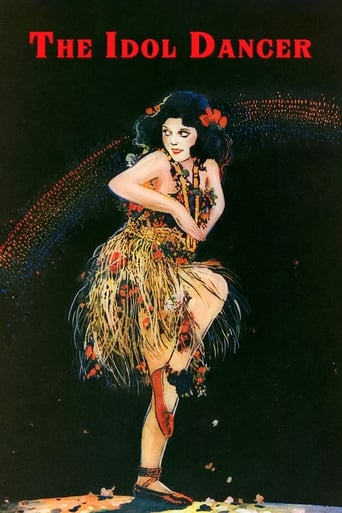
- Appeared in D.W. Griffith's The Idol Dancer (1920)
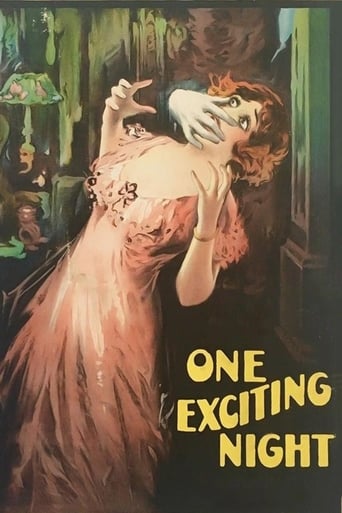
- Featured role in One Exciting Night (1922)
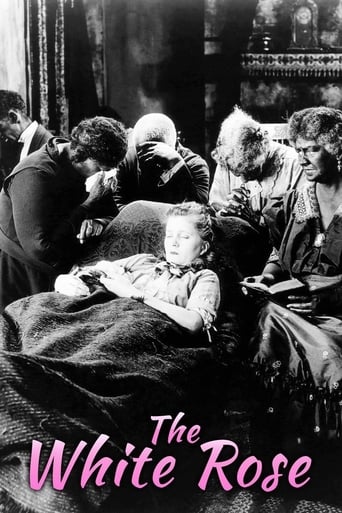
- Supporting role in The White Rose (1923)
- Worked exclusively with D.W. Griffith Productions during his film career
Best Known For
Iconic Roles
Must-See Films
Working Relationships
Worked Often With
Studios
Why They Matter
Impact on Culture
Herbert Sutch represents the numerous skilled character actors who formed the backbone of silent cinema but have since faded into obscurity. His work with D.W. Griffith places him within the context of early American cinema's most influential directorial circle. While not a star, Sutch's contributions to these historically significant films helped create the character performances that defined silent era storytelling. His career exemplifies the journey of many supporting actors of the period who worked steadily but briefly during the transition years of early Hollywood.
Lasting Legacy
Herbert Sutch's legacy exists primarily through his preserved performances in D.W. Griffith's films, which continue to be studied by film historians and enthusiasts. As part of Griffith's stock company, he contributed to some of the most technically and artistically significant films of the early 1920s. While individual recognition has eluded him, his work remains accessible to modern audiences through these classic silent films, serving as proof of the craftsmanship of early cinema's supporting players.
Who They Inspired
As a supporting actor with a brief career, Herbert Sutch's direct influence on subsequent generations of performers is difficult to trace. However, his professional work ethic and the quality of his performances in Griffith's ensemble casts exemplify the standards of character acting that would continue to evolve throughout Hollywood's Golden Age. His contributions, while modest, were part of the foundation upon which later character acting techniques would be built.
Off Screen
Very little is documented about Herbert Sutch's personal life, which was not uncommon for supporting actors of the silent era who did not achieve star status. His brief film career suggests he may have been a stage actor who transitioned briefly to films or someone who pursued acting as a secondary profession.
Did You Know?
- All three of Herbert Sutch's known film appearances were in D.W. Griffith productions
- His entire film active years covered only three years from 1920 to 1923
- He appeared in The White Rose (1923), which was one of D.W. Griffith's lesser-known but critically acclaimed films
- Like many silent era supporting actors, little biographical information about Sutch survives in film archives
- His career coincided with the final years of D.W. Griffith's most productive period as a director
- No sound era appearances by Sutch have been documented, suggesting he may have retired before the transition to talkies
Frequently Asked Questions
Who was Herbert Sutch?
Character actor during the silent film era who worked primarily with on YTB.my.W. Griffith in the early 1920s. He appeared in three known films between 1920 and 1923, playing supporting roles that contributed to Griffith's ensemble casts.
What films is Herbert Sutch best known for?
Titles linked here include The Idol Dancer (1920), One Exciting Night (1922).
When was Herbert Sutch born and when did he die?
Unfortunately, Herbert Sutch's birth and death dates are not documented in available film archives, which is common for many supporting actors of the silent era who did not achieve star status.
What awards did Herbert Sutch win?
There are no records of Herbert Sutch receiving any major awards or nominations during his brief film career, which was typical for character actors of his era.
What was Herbert Sutch's acting style?
Sutch employed the typical silent era acting style with exaggerated gestures and clear facial expressions. He specialized in portraying gentlemen and authority figures, using dignified presence and subtle body language to convey his characters' social status.