
Films
3 films
About Milton Brown
Character actor during the early silent film era, appearing in several notable productions between 1914 and 1917. His career, though brief, coincided with a pivotal period in American cinema when feature films were becoming the industry standard. Brown worked with directors including Cecil B. DeMille and John Ford, appearing in their early works that would help establish their reputations. His role in 'The Call of the North' (1914) placed him in one of DeMille's early feature films, while 'Straight Shooting' (1917) marked his appearance in John Ford's directorial debut. Like many supporting actors of the silent era, Brown played various character roles that helped populate the burgeoning western and dramatic productions of the time. His film career appears to have concluded by the late 1910s, as was common for many actors of this period who either transitioned to other professions or returned to stage work.
The Craft
On Screen
Typical of the period's character actors, Brown likely employed the exaggerated gestures and facial expressions common in silent film acting to convey emotion and character without dialogue. His roles would have required clear physical storytelling to communicate with audiences.
Milestones
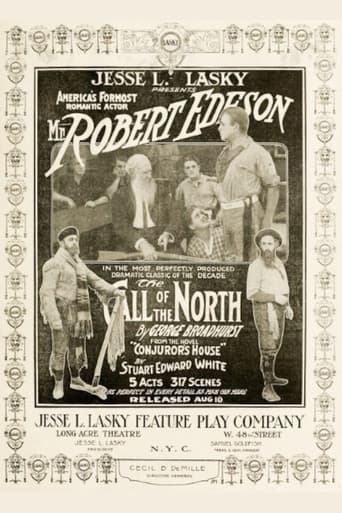
- Appeared in Cecil B. DeMille's 'The Call of the North' (1914)
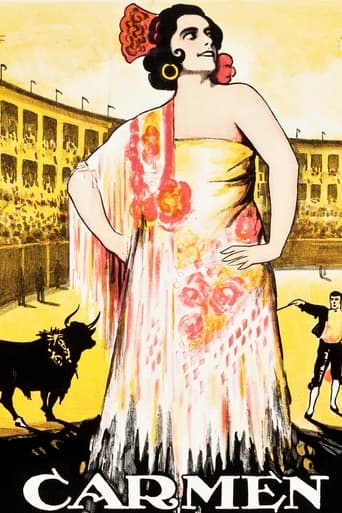
- Featured in 'Carmen' (1915) directed by Cecil B. DeMille
- Appeared in John Ford's directorial debut 'Straight Shooting' (1917)
Best Known For
Must-See Films
Working Relationships
Worked Often With
Studios
Why They Matter
Impact on Culture
Milton Brown represents the legion of character actors who formed the backbone of early American cinema. While not a leading man, his contributions to films by directors like DeMille and Ford helped establish the visual language and storytelling techniques that would define Hollywood's golden age. His work in John Ford's directorial debut places him as a participant in a historically significant moment in film history.
Lasting Legacy
Though largely forgotten by mainstream film history, Milton Brown's filmography documents his participation in several important early American films. His appearances in works by directors who would become Hollywood legends make him a footnote in the development of American cinema, representing the countless supporting performers who made the silent era possible.
Who They Inspired
As a supporting actor during cinema's formative years, Brown's influence would have been primarily through his contributions to the ensemble casts that helped establish early film conventions. His work with emerging directors like Ford contributed to their development of cinematic techniques that would influence generations of filmmakers.
Off Screen
Very little is documented about Milton Brown's personal life, which was common for supporting actors of the early silent era who were not major stars. Like many actors of his generation, details about his family background, marriages, or children have not been preserved in film historical records.
Did You Know?
- Appeared in John Ford's directorial debut 'Straight Shooting' (1917)
- Worked with Cecil B. DeMille on multiple early feature films
- His active years covered the crucial transition period when American cinema shifted from short films to feature-length productions
- Like many early silent film actors, his complete filmography may be lost due to film deterioration
- The films he appeared in represent some of the earliest examples of the Western genre in American cinema
Frequently Asked Questions
Who was Milton Brown?
Screen credits include several notable films between 1914 and 1917, working with directors like Cecil B. DeMille and John Ford.
What films is Milton Brown best known for?
Titles linked here include The Call of the North (1914), Carmen (1915).
When was Milton Brown born and when did he die?
Specific birth and death dates for Milton Brown are not documented in available historical records, which is common for supporting actors from the early silent era.
What awards did Milton Brown win?
Milton Brown did not receive any major awards or nominations, as was typical for character actors of his era during the early days of American cinema.
What was Milton Brown's acting style?
Brown likely employed the exaggerated physical acting style common in silent films, using gestures and facial expressions to convey emotion and character to audiences without dialogue.