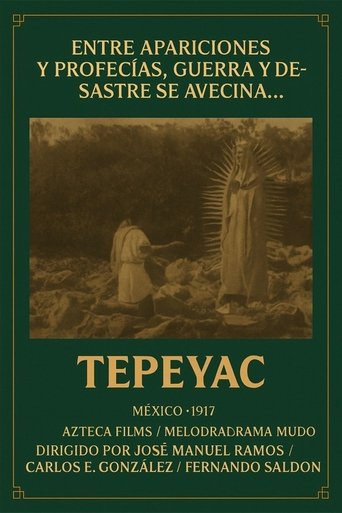
Films
1 film
About Emilia Otaza
Emilia Otaza appears once in this catalog: Tepeyac (1917). Specifically in 1917. Her career was notably brief, spanning only a single year according to available film records. She is known primarily for her role in the landmark Mexican silent film 'Tepeyac' (1917), which was one of the earliest feature films produced in Mexico. The film was significant for its portrayal of the apparition of the Virgin Mary to Juan Diego, a pivotal story in Mexican Catholic culture. Unfortunately, like many actors from the very early days of Mexican cinema, detailed biographical information about Otaza is extremely scarce. Her brief appearance in film history coincided with the nascent stages of Mexico's film industry, which was still developing its infrastructure and documentation practices. The lack of extensive records about her career and life reflects the challenges of preserving early cinema history from this period.
The Craft
Milestones
- Appeared in 'Tepeyac' (1917), one of Mexico's earliest feature films
Best Known For
Iconic Roles
Must-See Films
Why They Matter
Impact on Culture
Emilia Otaza's contribution to cinema, while brief, is part of the foundation of Mexican film history. Her appearance in 'Tepeyac' (1917) places her among the pioneers of Mexican cinema during its formative years. The film itself was culturally significant as it addressed. Early actors like Otaza helped pave the way for the later golden age of Mexican cinema, even if their individual contributions have been largely lost to time.
Lasting Legacy
Emilia Otaza's legacy is primarily historical rather than artistic, representing the early days of Mexican cinema when the industry was still finding its voice. While her name may not be widely recognized today, she is part of the generation of performers who helped establish the foundation for what would become one of the world's most vibrant national cinemas. Her work in 'Tepeyac' contributes to our understanding of early Mexican film production and the types of stories that resonated with audiences in the 1910s.
Who They Inspired
Due to the extremely brief nature of her career and the lack of documentation about her work, it's difficult to assess Emilia Otaza's direct influence on later performers. However, like all early film actors, she was part of the experimental phase of film acting that helped establish techniques and approaches that would be refined by subsequent generations of Mexican actors.
Off Screen
Very little is known about Emilia Otaza's personal life, which is typical for actors from the very early Mexican silent film period. The lack of documentation and preservation of records from this era makes it difficult to reconstruct biographical details about most performers from this time.
Did You Know?
- 'Tepeyac' (1917) was one of the earliest feature films produced in Mexico
- The film 'Tepeyac' was directed by three directors: José Manuel Ramos, Carlos E. González, and Fernando Sáyago
- Emilia Otaza's entire known film active years covered only one year: 1917
- Very few records survive from this early period of Mexican cinema
- The film 'Tepeyac' dealt with the apparition of the Virgin Mary to Juan Diego
- Early Mexican films like 'Tepeyac' often focused on religious and national themes
- Most actors from this period of Mexican cinema are largely unknown to modern audiences
Frequently Asked Questions
Who was Emilia Otaza?
Screen credits include 1917. She is known primarily for her role in the film 'Tepeyac,' one of Mexico's earliest feature films. Her career was extremely brief, lasting only one year according to available records.
What films is Emilia Otaza best known for?
Titles linked here include Tepeyac (1917).
When was Emilia Otaza born and when did she die?
Unfortunately, specific birth and death dates for Emilia Otaza are not available in historical records. This lack of biographical information is common for actors from the very early days of Mexican cinema, when documentation was limited.
What awards did Emilia Otaza win?
There are no records of Emilia Otaza receiving any awards or nominations. The film industry in Mexico was still in its infancy in 1917, and formal award systems had not yet been established.
What was Emilia Otaza's acting style?
Due to the lack of surviving films and detailed documentation from this period, it's not possible to determine Emilia Otaza's specific acting style. Silent film acting in Mexico during this era would have followed the exaggerated, theatrical techniques common worldwide before the advent of sound.