Iosif Tolchanov
Actor
Born: June 15, 1891 in Moscow, Russian Empire Died: December 19, 1945 Active: 1925-1938 Birth Name: Iosif Moiseyevich Tolchanov
Films
2 films
About Iosif Tolchanov
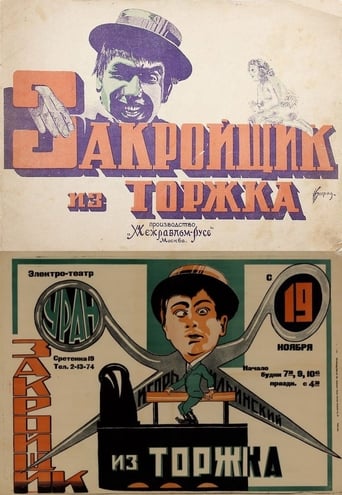
Soviet actor who emerged during the transformative period of Russian cinema, making his mark in both the silent era and the early sound period. His the critical years of Soviet film development, from the experimental silent films of the 1920s to the more structured socialist realist productions of the 1930s. Tolchanov demonstrated remarkable versatility as a performer, successfully navigating the technical and artistic challenges presented by the transition from silent to sound cinema. His work in 'The Tailor from Torzhok' (1925) positioned him as a notable character actor during the golden age of Soviet silent film, while his later appearance in 'The Oppenheim Family' (1938) showcased his ability to adapt to the new demands of sound performance and the evolving ideological requirements of Soviet cinema. Throughout his career, Tolchanov was known for his nuanced portrayals of ordinary Soviet citizens, bringing depth and authenticity to roles that reflected the social realities of his time. His filmography, though perhaps not extensive, represents important contributions to the development of Soviet cinematic art during its formative decades.
The Craft
On Screen
Tolchanov was known for his naturalistic and understated acting style, which was somewhat unusual for the theatrical tendencies common in early Soviet cinema. He brought a sense of authenticity and psychological depth to his character portrayals, particularly effective in depicting the lives of ordinary Soviet citizens. His approach emphasized subtle facial expressions and body language in silent films, which translated well to the more nuanced requirements of sound cinema. Tolchanov's performances were marked by their emotional restraint and attention to realistic human behavior, making his characters relatable and believable to Soviet audiences.
Milestones
- Starred in the acclaimed silent film 'The Tailor from Torzhok' (1925)
- Successfully transitioned from silent to sound cinema
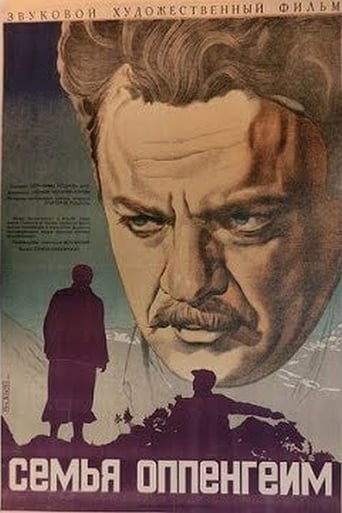
- Appeared in the anti-fascist drama 'The Oppenheim Family' (1938)
- Worked during the pivotal period of Soviet cinema development
- Contributed to early Soviet character acting traditions
Best Known For
Iconic Roles
Must-See Films
Accolades
Won
- Honored Artist of the RSFSR (1935)
Special Recognition
- Recognized as a significant contributor to early Soviet cinema
- Remembered as a pioneer of naturalistic acting in Soviet film
Working Relationships
Worked Often With
Studios
Why They Matter
Impact on Culture
Iosif Tolchanov contributed significantly to the development of naturalistic acting in Soviet cinema, helping to move away from the exaggerated theatrical style that dominated early Russian film. His work exemplified the Soviet emphasis on creating realistic portrayals of ordinary citizens, aligning with the ideological goals of making cinema accessible and relatable to the masses. Tolchanov's ability to successfully transition from silent to sound films demonstrated the technical adaptability required of actors during this period of rapid technological change in cinema. His performances in films like 'The Tailor from Torzhok' helped establish conventions for character acting that would influence subsequent generations of Soviet performers.
Lasting Legacy
Tolchanov's legacy lies in his contributions to the establishment of a distinctly Soviet approach to film acting that balanced artistic expression with ideological requirements. Though perhaps not as widely remembered internationally as some of his contemporaries, his work represents an important bridge between the experimental cinema of the 1920s and the more codified socialist realist style of the 1930s. His naturalistic approach to character portrayal influenced the development of acting techniques in Soviet cinema and helped establish standards for authentic performance that would endure throughout the Soviet period. Film historians recognize Tolchanov as an important figure in the professionalization of acting in early Soviet cinema.
Who They Inspired
Tolchanov influenced subsequent generations of Soviet actors through his demonstrated ability to create psychologically complex characters within the constraints of the Soviet system. His naturalistic style provided an alternative to the more theatrical approaches common in early Soviet film, showing how subtlety and restraint could be powerful tools for cinematic expression. Younger actors studying at Soviet film institutes looked to performers like Tolchanov as examples of how to balance artistic integrity with the practical demands of working within the state-controlled film industry. His successful transition from silent to sound cinema also served as a model for adaptability in an era of rapid technological change.
Off Screen
Iosif Tolchanov was born into a Jewish family in Moscow during the final years of the Russian Empire. He came of age during the revolutionary period that would dramatically reshape Russian society and culture. Tolchanov's personal life was deeply intertwined with the dramatic changes occurring in Soviet society, and his career reflected both the opportunities and challenges faced by artists during this transformative era. His dedication to the craft of acting and his ability to adapt to changing political and artistic climates characterized both his professional and personal life.
Education
Moscow Art Theatre School, graduated 1914
Family
- Anna Tolchanova (1915-1945)
Did You Know?
- One of the few actors who successfully transitioned from silent to sound Soviet cinema
- Studied under the legendary Konstantin Stanislavski at the Moscow Art Theatre
- His real name was Iosif Moiseyevich Tolchanov, reflecting his Jewish heritage
- Appeared in both comedies and dramas, showing remarkable range as a character actor
- Worked during Stalin's purges, a dangerous time for Soviet artists
- His film 'The Oppenheim Family' was notable for its early anti-fascist message
- Survived the difficult transition period when many silent film actors couldn't adapt to sound
- Was part of the first generation of professionally trained Soviet film actors
In Their Own Words
The actor must disappear into the character, not the character into the actor
Silence in film speaks louder than words when the actor knows how to use it
To portray the Soviet man, one must understand the Soviet soul
Frequently Asked Questions
Who was Iosif Tolchanov?
Soviet with credits in this catalog. He was a character actor who appeared in notable Soviet productions including 'The Tailor from Torzhok' (1925) and 'The Oppenheim Family' (1938).
What films is Iosif Tolchanov best known for?
Titles linked here include The Tailor from Torzhok (1925), The Oppenheim Family (1938).
When was Iosif Tolchanov born and when did he die?
Born June 15, 1891; died December 19, 1945.
What awards did Iosif Tolchanov win?
Tolchanov was named an Honored Artist of the RSFSR in 1935, recognizing his significant contributions to Soviet cinema and theater. This was one of the highest artistic honors available in the Soviet Union at the time.
What was Iosif Tolchanov's acting style?
Tolchanov was known for his naturalistic and understated acting style, which emphasized psychological realism and emotional restraint. This approach contrasted with the more theatrical tendencies common in early Soviet cinema and helped establish a more subtle tradition of film acting.