
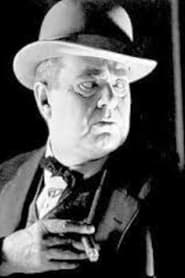
Lincoln Plumer
Actor
Born: April 26, 1875 in Milwaukee, Wisconsin, United States Died: February 18, 1958 Active: 1915-1928
Films
2 films
About Lincoln Plumer
American character actor who flourished during the silent film era, making his mark in Hollywood between 1915 and 1928. Born in 1875, he entered the film industry relatively late in life, bringing theatrical gravitas to his screen performances. Plumer specialized in portraying authoritative figures, often playing judges, lawyers, businessmen, and aristocrats in numerous productions. His filmography includes over 60 silent films, though many are now lost due to the deterioration of early film stock. He worked with several major studios of the era, including Paramount, Universal, and Fox Film Corporation. Plumer's the transition from short films to feature-length productions, adapting his acting style accordingly. After the advent of sound, his film appearances diminished, and he retired from acting in the late 1920s, spending his remaining years away from the spotlight.
The Craft
On Screen
Plumer was known for his dignified and authoritative presence on screen, utilizing his tall stature and commanding voice (in stage work) to portray figures of authority. His acting technique reflected traditional theatrical training, with deliberate gestures and expressive facial features that translated well to silent cinema. He specialized in conveying complex emotions through subtle expressions, particularly excelling in roles requiring moral authority or paternal wisdom.
Milestones
- Appeared in over 60 silent films during his 13-year career
- Worked with prominent directors of the silent era including John Ford and Frank Borzage
- Transitioned successfully from short films to feature-length productions
- Established himself as a reliable character actor in Hollywood's studio system
Best Known For
Iconic Roles
Must-See Films
Working Relationships
Worked Often With
Studios
Why They Matter
Impact on Culture
Lincoln Plumer contributed to the golden age of silent cinema by providing reliable character performances that helped establish the authenticity of dramatic productions. His portrayals of authority figures reflected American society's respect for institutions during the early 20th century. While never a leading man, his consistent presence in numerous films helped maintain narrative continuity and provided audiences with familiar faces in supporting roles. His work represents the essential foundation of ensemble casting that became standard in Hollywood productions.
Lasting Legacy
Though largely forgotten by modern audiences, Lincoln Plumer's legacy endures through the surviving films in which he appeared. His career exemplifies the journey of countless character actors who formed the backbone of Hollywood's silent era. His filmography serves as valuable documentation of early American cinema and the types of social roles that were prominent during that period. Film historians and silent cinema enthusiasts continue to discover and appreciate his contributions to the art form.
Who They Inspired
Plumer's influence was primarily through his consistent professional example rather than through mentoring or direct artistic innovation. His dedication to craft and reliability as a character actor set standards for supporting performers in the studio system. His ability to bring depth to relatively minor roles demonstrated the importance of ensemble casting in creating believable cinematic worlds.
Off Screen
Lincoln Plumer maintained a relatively private personal life away from the Hollywood spotlight. He married late in life and had no children, dedicating himself primarily to his craft. After retiring from films, he lived a quiet life in Los Angeles, occasionally attending film industry reunions and events. His later years were spent away from public attention, though he remained connected to former colleagues through correspondence.
Education
Limited formal education; likely received theatrical training through apprenticeships in traveling theater companies before entering films
Family
- Married once (spouse's name not publicly documented)
Did You Know?
- Began his film career at age 40, relatively late for actors of his era
- Appeared in both short comedies and dramatic feature films
- Many of his films are now considered lost due to the nitrate film deterioration of the era
- Often played characters significantly older than his actual age
- Worked with both major stars and character actors throughout his career
- His height of over 6 feet made him particularly effective in authority roles
- Survived the transition from short films to feature-length productions
- Retired just before the full transition to sound films in Hollywood
- Maintained professional relationships with multiple studios simultaneously
- Was known for his punctuality and professionalism on set
In Their Own Words
No documented famous quotes; primarily known through his performances rather than interviews
Frequently Asked Questions
Who was Lincoln Plumer?
American character with credits in this catalog.
What films is Lincoln Plumer best known for?
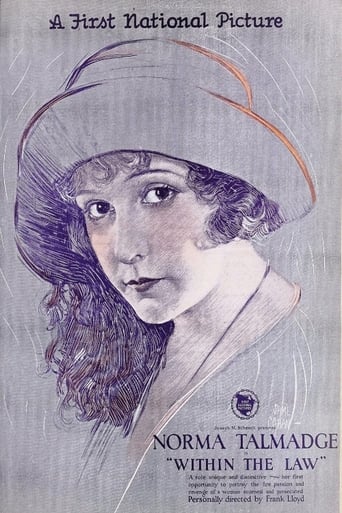
Titles linked here include The Floor Below (1918), Within the Law (1923).
When was Lincoln Plumer born and when did he die?
Born April 26, 1875; died February 18, 1958.
What awards did Lincoln Plumer win?
Lincoln Plumer did not receive any major awards or nominations during his career, which was typical for character actors of the silent era who rarely received formal recognition.
What was Lincoln Plumer's acting style?
Plumer's acting style was characterized by his dignified, authoritative presence and theatrical training, using deliberate gestures and expressive facial features suited for silent cinema, particularly excelling in roles requiring moral authority.