Films
2 films
About Shizuko Takizawa
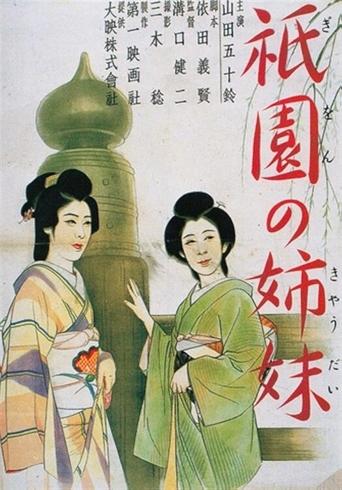
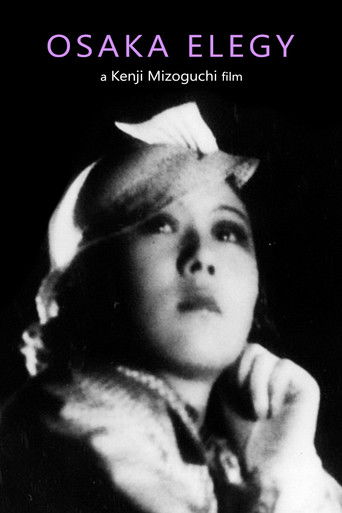
Japanese actress who had a brief but notable career in the mid-1930s, appearing in two of Kenji Mizoguchi's most acclaimed films from 1936. Her filmography, though limited to just these two productions, placed her at the center of Japanese cinema's critical period of social realism. In 'Sisters of the Gion,' she played a supporting role alongside lead actress Isuzu Yamada in this powerful critique of the geisha system. Her appearance in 'Osaka Elegy' further demonstrated her ability to portray complex female characters in Mizoguchi's socially conscious dramas. Despite her promising start and association with one of Japan's greatest directors, Takizawa's film career appears to have ended as quickly as it began, with no known film credits after 1936. Her work, however, remains preserved in these two masterpieces of Japanese cinema that continue to be studied and admired by film scholars worldwide.
The Craft
On Screen
Based on her work in Mizoguchi's films, Takizawa was part of the naturalistic acting movement in 1930s Japanese cinema that emphasized realistic portrayals of characters. Her performances contributed to the films' social realist aesthetic, which was groundbreaking for its time.
Milestones
- Appeared in Kenji Mizoguchi's 'Sisters of the Gion' (1936)
- Starred in 'Osaka Elegy' (1936) directed by Kenji Mizoguchi
- Participated in two of the most significant Japanese films of the 1930s
Best Known For
Iconic Roles
Must-See Films
Working Relationships
Worked Often With
Why They Matter
Impact on Culture
Though her career was brief, Shizuko Takizawa contributed to two landmark films that helped establish Japanese cinema's international reputation. 'Sisters of the Gion' and 'Osaka Elegy' are now regarded as masterpieces of Japanese cinema and were instrumental in bringing critical attention to Japanese film in the 1930s. These films, part of Mizoguchi's series of socially conscious dramas, addressed the position of women in Japanese society and influenced generations of filmmakers both in Japan and internationally. Takizawa's participation in these productions, even in supporting capacities, places her within the historical context of cinema's golden age of social realism.
Lasting Legacy
Shizuko Takizawa's legacy is preserved through her appearances in two of the most important Japanese films of the 1930s. While she may not have achieved the fame of some of her contemporaries, her work endures as part of Kenji Mizoguchi's celebrated filmography. These films continue to be screened at film festivals, studied in academic settings, and preserved by film archives, ensuring that her contributions to Japanese cinema are not forgotten. Her brief career serves as a reminder of the many talented actors who contributed to classic cinema but whose stories remain largely undocumented.
Who They Inspired
Due to the brevity of her career and limited documentation, specific information about Shizuko Takizawa's influence on other performers is difficult to ascertain. However, her work in Mizoguchi's films contributed to the director's legacy of creating complex female characters that would influence generations of filmmakers worldwide. The naturalistic acting style prevalent in these films, in which Takizawa participated, helped establish a new standard for cinematic realism in Japanese cinema.
Off Screen
Very little is documented about Shizuko Takizawa's personal life, which is not uncommon for supporting actors from this era of Japanese cinema. Her brief film career and the limited preservation of records from 1930s Japan make biographical details difficult to verify.
Did You Know?
- Appeared in two of Kenji Mizoguchi's most acclaimed films in the same year (1936)
- Her entire known filmography consists of just two films
- Both films she appeared in are considered masterpieces of Japanese cinema
- Worked alongside renowned actress Isuzu Yamada in both films
- Her career coincided with a critical period in Japanese cinema's development
- Both films she appeared in dealt with themes of women's struggles in Japanese society
- Despite her brief career, her films are regularly shown in retrospectives of classic Japanese cinema
- Her performances were part of Mizoguchi's transition to more socially conscious filmmaking
Frequently Asked Questions
Who was Shizuko Takizawa?
Japanese actress who had a brief but notable career in 1936, appearing in two of Kenji Mizoguchi's most acclaimed films, 'Sisters of the Gion' and 'Osaka Elegy.' Despite her limited filmography, she contributed to two masterpieces of Japanese cinema that continue to be celebrated today.
What films is Shizuko Takizawa best known for?
Titles linked here include Sisters of the Gion (1936), Osaka Elegy (1936).
When was Shizuko Takizawa born and when did she die?
Specific birth and death dates for Shizuko Takizawa are not documented in available sources, which is not uncommon for supporting actors from 1930s Japanese cinema. Her known film career was limited to the year 1936.
What awards did Shizuko Takizawa win?
There are no documented awards or nominations for Shizuko Takizawa, which was typical for many supporting actors of her era. However, the films she appeared in have received extensive critical acclaim and are regarded as masterpieces of Japanese cinema.
What was Shizuko Takizawa's acting style?
Based on her work in Mizoguchi's films, Takizawa was part of the naturalistic acting movement in 1930s Japanese cinema that emphasized realistic portrayals of characters. Her performances contributed to the films' social realist aesthetic, which was groundbreaking for its time.
Why did Shizuko Takizawa's career end so quickly?
The reasons for Takizawa's brief career are not documented, which was common for many actors in 1930s Japan. The limited preservation of records from this period makes it difficult to determine whether her career ended by choice or circumstance.
How significant were the films Shizuko Takizawa appeared in?
Both 'Sisters of the Gion' and 'Osaka Elegy' are considered among the most important Japanese films of the 1930s and were instrumental in establishing Japanese cinema's international reputation. They are frequently included in lists of the greatest films ever made and continue to influence filmmakers worldwide.