Films
2 films
About Andrew Robson
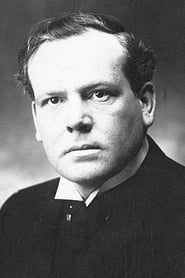
Character actor during the silent film era, primarily active between 1914 and 1920. His the transitional period when American cinema was evolving from short films to feature-length productions. Robson appeared in supporting roles that showcased the dramatic style typical of silent era acting, where physical expression and pantomime were essential for conveying emotion. His filmography includes work with prominent production companies of the time, though he remained primarily a supporting player rather than a leading man. Like many actors of his generation, his career was likely impacted by the transition to sound films in the late 1920s. His performances in films like 'Salomy Jane' and 'The Corsican Brothers' represent the typical character work of reliable supporting actors during Hollywood's formative years.
The Craft
On Screen
Typical of silent era actors, Robson employed exaggerated physical expressions and gestures to convey emotions, as dialogue was absent and intertitles provided limited narrative support. His acting would have emphasized facial expressions, body language, and dramatic poses typical of the period's theatrical influences.
Milestones
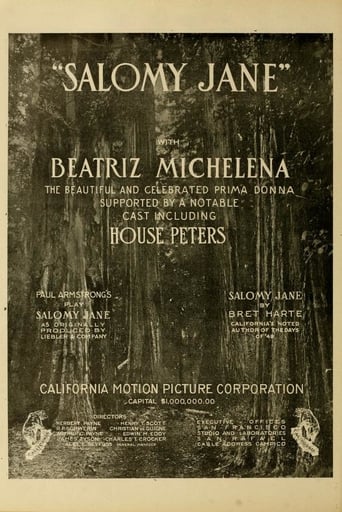
- Appeared in 'Salomy Jane' (1914)
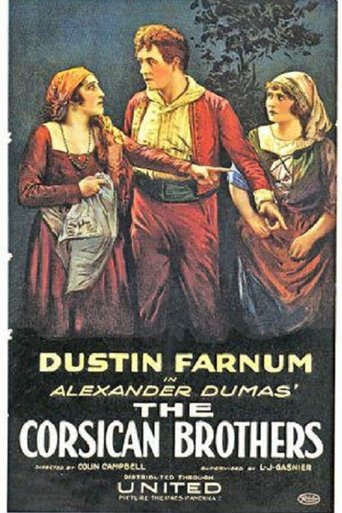
- Featured in 'The Corsican Brothers' (1920)
- Worked during the transition from short films to features
- Participated in early Hollywood's golden silent era
Best Known For
Iconic Roles
Must-See Films
Working Relationships
Studios
Why They Matter
Impact on Culture
As a supporting actor during the silent era, Andrew Robson contributed to the foundation of American cinema's narrative techniques. His work in films like 'Salomy Jane' and 'The Corsican Brothers' represents the ensemble approach to filmmaking that characterized early Hollywood, where character actors were essential to creating believable worlds on screen.
Lasting Legacy
Andrew Robson's legacy lies in his contribution to the silent film era, a crucial period in cinema history. While not a major star, his work exemplifies the dedication of countless character actors who helped establish the language of film and paved the way for future generations of performers.
Who They Inspired
As a working actor during cinema's formative years, Robson was part of the generation that established acting techniques specifically for film, distinct from theatrical performance. His work contributed to the development of screen acting that would influence subsequent generations of performers.
Off Screen
Very little is documented about Andrew Robson's personal life, which was common for supporting actors of the silent era who were not major stars. Like many character actors of his time, he likely maintained a private life separate from his film work.
Did You Know?
- Worked during the silent era when actors had to convey emotion without dialogue
- Appeared in 'Salomy Jane' (1914), one of the early feature films
- His active years covered only six years, typical for many character actors of the period
- Participated in Hollywood's transition from short films to feature-length productions
- Like many silent era actors, his career ended before the sound revolution
- The Corsican Brothers (1920) was based on a popular novel by Alexandre Dumas
Frequently Asked Questions
Who was Andrew Robson?
American character with credits in this catalog.
What films is Andrew Robson best known for?
Titles linked here include Salomy Jane (1914), The Corsican Brothers (1920).
When was Andrew Robson active in films?
Andrew Robson was active as an actor during the silent film era, specifically from 1914 to 1920, a period of six years.
What was Andrew Robson's acting style?
Robson employed the typical silent era acting style, using exaggerated physical expressions, gestures, and facial expressions to convey emotions in the absence of dialogue.
Why is there limited information about Andrew Robson?
Limited information exists about Andrew Robson because he was a supporting character actor rather than a major star, and detailed records for many silent era performers were not preserved or were lost over time.