
Soumitra Chatterjee
Actor
Born: January 19, 1935 in Krishnanagar, Bengal Presidency, British India (now West Bengal, India) Died: November 15, 2020 Active: 1959-2020 Birth Name: Soumitra Chattopadhyay
Films
4 films


About Soumitra Chatterjee
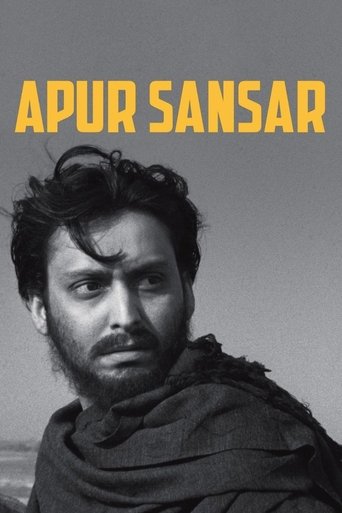
Indian actor who revolutionized Bengali cinema with his naturalistic and nuanced performances. He made his cinematic debut in Satyajit Ray's 'Apur Sansar' (1959) as Apu, a role that would define his early career and establish him as Ray's muse. Over six decades, Chatterjee appeared in over 300 films, working extensively with Ray in 14 films including masterpieces like 'Charulata' (1964), 'Aranyer Din Ratri' (1970), and 'Sonar Kella' (1974). Beyond Ray, he collaborated with numerous prominent Bengali directors like Mrinal Sen, Tapan Sinha, and Aparna Sen, showcasing remarkable versatility across genres from social dramas to thrillers. Chatterjee was also a renowned theater actor, poet, and writer, contributing significantly to Bengali cultural life. His portrayal of the detective Feluda in Ray's films created an character beloved by generations. Even in his later years, he continued acting in critically acclaimed films, receiving international recognition including an honorary Oscar nomination. His death in 2020 marked the end of an era in Indian cinema, leaving behind an unparalleled legacy of artistic excellence.
The Craft
On Screen
Chatterjee was known for his naturalistic and understated acting style, drawing from method acting techniques while maintaining a distinctly Indian sensibility. His performances were characterized by subtle facial expressions, controlled body language, and an ability to convey complex emotions through minimal gestures. He had a remarkable talent for portraying both intellectual and working-class characters with equal authenticity. His voice modulation and diction were exceptional, making him particularly effective in literary adaptations and dialogue-heavy scenes. Chatterjee often prepared extensively for roles, studying the psychological dimensions of his characters and bringing a literary depth to his performances that reflected his background in poetry and theater.
Milestones
- Debut as Apu in Satyajit Ray's 'Apur Sansar' (1959)
- 14-film collaboration with director Satyajit Ray
- Iconic portrayal of detective Feluda in Ray's films
- National Film Award for Best Actor for 'Antardhan' (1992)
- Dadasaheb Phalke Award (2012) - India's highest award in cinema
- France's Ordre des Arts et des Lettres (2017)
- Honorary Academy Award consideration (2019)
- Over 300 film appearances across six decades
Best Known For
Iconic Roles
Must-See Films
Accolades
Won
- National Film Award for Best Actor - 'Antardhan' (1992)
- National Film Award for Best Supporting Actor - 'Dahan' (1997)
- Dadasaheb Phalke Award (2012)
- Bengal Film Journalists' Association Awards - Multiple wins
- Filmfare Awards East - Multiple wins
Nominated
- Academy Award Honorary consideration (2019)
- National Film Awards - Multiple nominations across categories
- Filmfare Awards - Various nominations
Special Recognition
- Padma Bhushan (2004)
- Padma Shri (1972)
- Ordre des Arts et des Lettres, France (2017)
- Honorary D.Litt. From University of Calcutta
- Honorary D.Litt. From Jadavpur University
- Bharat Natya Academy Award
- Kalakar Award
- Anandalok Lifetime Achievement Award
Working Relationships
Worked Often With
Why They Matter
Impact on Culture
Soumitra Chatterjee's impact on Indian cinema, particularly Bengali cinema, is immeasurable and transformative. He redefined screen acting in India by bringing a naturalistic, nuanced approach that contrasted sharply with the theatrical style prevalent in Indian cinema of his era. His collaboration with Satyajit Ray created some of the most critically acclaimed films in world cinema, elevating Bengali cinema to international recognition. Chatterjee's portrayal of Apu completed one of cinema's most iconic trilogies, influencing generations of actors globally. His depiction of Feluda created India's first literary detective hero on screen, inspiring countless adaptations in Indian media. Beyond cinema, he contributed significantly to Bengali theater, literature, and cultural discourse, becoming a cultural icon whose influence extended beyond the arts into broader social consciousness. His work helped bridge traditional Bengali cultural values with modern sensibilities, making him a bridge between generations.
Lasting Legacy
Soumitra Chatterjee's legacy endures as one of the greatest actors in world cinema history. He left behind an unparalleled body of work that continues to influence actors, directors, and filmmakers across India and internationally. His films with Satyajit Ray remain masterpieces studied in film schools worldwide, with his performances serving as benchmarks for naturalistic acting. The characters he created, particularly Apu and Feluda, have become cultural touchstones that transcend time and geography. Chatterjee's dedication to his craft and his ability to maintain artistic integrity throughout his career set standards for professionalism in Indian cinema. His contributions to theater and literature ensure his legacy extends beyond cinema into broader cultural spheres. Even after his death, his films continue to be celebrated at international film festivals, and new generations discover his work through digital platforms, ensuring his artistic legacy continues to inspire and entertain audiences worldwide.
Who They Inspired
Soumitra Chatterjee influenced multiple generations of Indian actors through his revolutionary approach to screen acting. His naturalistic style inspired actors to move away from theatrical performances toward more subtle, realistic portrayals. Many contemporary Bengali actors, including Prosenjit Chatterjee and Parambrata Chatterjee, have cited him as their primary inspiration. His work with Satyajit Ray influenced international filmmakers who admired the authenticity he brought to his characters. Chatterjee's ability to portray both intellectual and common man characters with equal conviction expanded the range of leading roles in Indian cinema. His dedication to theater alongside film work inspired many actors to maintain connections with stage performance. The success of his literary adaptations encouraged filmmakers to explore more complex, literary works in cinema. His longevity and continued relevance in changing times demonstrated how actors could evolve with the times while maintaining artistic integrity.
Off Screen
Soumitra Chatterjee led a relatively private personal life focused on his artistic pursuits. He married Deepa Chatterjee in 1960, and their marriage lasted until his death in 2020. The couple had two children, a son named Saurav and a daughter named Poulomi. Despite his immense fame, Chatterjee maintained a simple lifestyle and was known for his intellectual pursuits including poetry, painting, and theater. He was actively involved in cultural activities and was a respected voice in Bengali intellectual circles. His home in Kolkata became a cultural hub where artists, writers, and filmmakers frequently gathered. Chatterjee was also politically conscious and occasionally voiced his opinions on social issues, though he never aligned himself with any particular political party.
Education
University of Calcutta (Graduated in Bengali Literature), Scottish Church College (Kolkata)
Family
- Deepa Chatterjee (1960-2020)
Did You Know?
- He was discovered by Satyajit Ray through a magazine photograph
- His screen test for 'Apur Sansar' consisted of reciting a poem
- He worked as a radio announcer before becoming an actor
- Chatterjee was the first choice to play the lead in 'Pather Panchali' but was too young at the time
- He wrote and published several books of poetry
- He was an accomplished painter with multiple exhibitions
- He refused to work in Bollywood films to focus on Bengali cinema
- He played the same character (Feluda) across four decades
- He was the first Indian actor to receive France's highest civilian award for artists
- He continued acting until months before his death at age 85
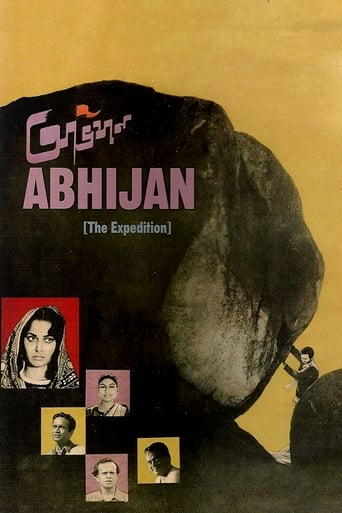
- His last film was 'Abhijan' (2020), released posthumously
- He was a member of the Indian People's Theatre Association in his youth
In Their Own Words
Acting is not about becoming someone else, it's about discovering yourself through the character.
Satyajit Ray taught me that cinema is not just entertainment, it's poetry in motion.
I never planned to be an actor. Cinema chose me, not the other way around.
The camera doesn't lie, so you can't either. You have to be truthful in every frame.
Being Feluda was not acting, it was living a childhood dream of solving mysteries.
Art should disturb the comfortable and comfort the disturbed.
In every character I play, I leave a piece of myself and take a piece of them with me.
Frequently Asked Questions
Who was Soumitra Chatterjee?
Screen credits include over 300 films and was best known for his collaborations with director Satyajit Ray. He is considered one of the greatest actors in Indian cinema history, particularly famous for his role as Apu in the final film of the Apu Trilogy and as detective Feluda in Ray's mystery films.
What films is Soumitra Chatterjee best known for?
Titles linked here include Apur Sansar (1959), Devi (1960).
When was Soumitra Chatterjee born and when did he die?
Born January 19, 1935; died November 15, 2020.
What awards did Soumitra Chatterjee win?
Chatterjee won numerous prestigious awards including the Dadasaheb Phalke Award (2012), two National Film Awards, Padma Bhushan (2004), Padma Shri (1972), and France's Ordre des Arts et des Lettres (2017). He also received an honorary Academy Award consideration in 2019.
What was Soumitra Chatterjee's acting style?
Chatterjee was known for his naturalistic and understated acting style, characterized by subtle expressions and emotional depth. He drew from method acting techniques while maintaining an authentic Indian sensibility, excelling at portraying both intellectual and working-class characters with remarkable authenticity.
How did Soumitra Chatterjee influence Indian cinema?
Chatterjee revolutionized Indian screen acting by introducing naturalistic performances that contrasted with the theatrical style prevalent at the time. His work with Satyajit Ray brought international recognition to Bengali cinema, and his portrayal of characters like Apu and Feluda created enduring cultural icons that influenced generations of filmmakers and actors.
What was Soumitra Chatterjee's relationship with Satyajit Ray?
Chatterjee and Ray had one of cinema's most celebrated director-actor collaborations, working together on 14 films. Ray discovered Chatterjee through a magazine photograph and cast him as Apu in 'Apur Sansar', launching his career. Their partnership created numerous masterpieces and defined Chatterjee's artistic legacy.