
Lothar Mendes
Director
Born: May 19, 1894 in Berlin, Germany Died: February 25, 1974 Active: 1921-1956
Films
2 films
About Lothar Mendes
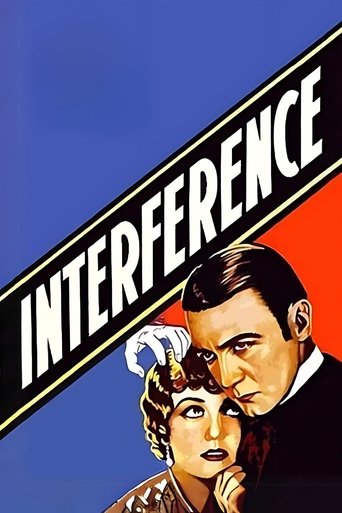
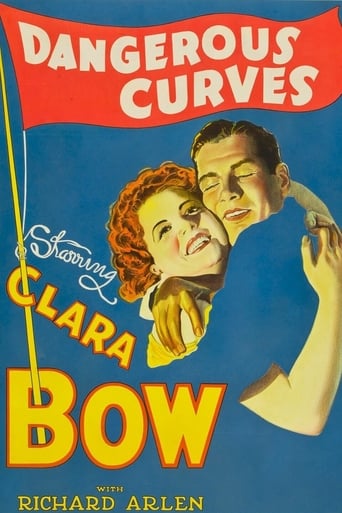
German-born film director who enjoyed a prolific career spanning three decades across multiple countries and film industries. Born in Berlin in 1894, Mendes began his career as an actor in German silent films during the early 1920s before transitioning to directing. He moved to Hollywood in the late 1920s where he directed several notable early sound films, including 'Interference' (1928) and 'Dangerous Curves' (1929), demonstrating his ability to navigate the challenging transition from silent cinema to talkies. After his American period, Mendes relocated to England where he became a significant figure in British cinema throughout the 1930s, directing acclaimed films such as 'Payment Deferred' (1932) and 'The Man Who Could Work Miracles' (1936). His career continued through the 1940s and 1950s, though he gradually shifted toward producing and television work. Mendes was particularly skilled at adapting literary works to the screen and had a talent for working with complex psychological themes. His international career made him one of the few directors to successfully work in German, American, and British film industries during the golden age of cinema.
The Craft
Behind the Camera
Lothar Mendes was known for his sophisticated visual style and ability to handle both dramatic and comedic elements with equal skill. His direction often emphasized psychological depth and character development, particularly evident in his adaptations of literary works. Mendes demonstrated remarkable adaptability in transitioning from silent to sound cinema, utilizing the new medium to enhance rather than overshadow his visual storytelling. His films frequently explored themes of morality, human nature, and social commentary, while maintaining a polished, technically proficient approach that reflected his European training and Hollywood experience.
Milestones
- Transitioned from acting to directing in German cinema
- Directed early sound films in Hollywood during the transition period
- Established successful career in British cinema during the 1930s
- Directed 'The Man Who Could Work Miracles' (1936) based on H.G. Wells' story
- Worked with major stars including Charles Laughton and Evelyn Laye
Best Known For
Must-See Films
Accolades
Special Recognition
- Member of the British Film Academy
Working Relationships
Worked Often With
Studios
Why They Matter
Impact on Culture
Lothar Mendes played a significant role in the international exchange of cinematic techniques and styles during the crucial transition period from silent to sound cinema. His work bridged German Expressionist influences with emerging Hollywood and British film styles, contributing to the cross-pollination of artistic approaches that characterized early sound cinema. Mendes was particularly important in helping establish the sophistication of British cinema during the 1930s, bringing technical polish and international perspective to films that might otherwise have been more parochial. His adaptations of literary works helped elevate the cultural prestige of British cinema, demonstrating that popular films could also be artistically ambitious and intellectually stimulating.
Lasting Legacy
Lothar Mendes' legacy lies primarily in his role as a cultural bridge between different national cinemas during a formative period in film history. Though not as widely remembered as some of his contemporaries, his films remain significant examples of early sound cinema craftsmanship and international co-production. His work with H.G. Wells on 'The Man Who Could Work Miracles' represents an important early example of science fiction cinema's potential for thoughtful social commentary. Mendes' career trajectory—from German actor to Hollywood director to British filmmaker—exemplifies the increasingly international nature of film production during the golden age of cinema. His marriage to Peggy Ashcroft also cemented his place in British cultural history, connecting the worlds of film and theatre in a way that benefited both arts.
Who They Inspired
Mendes influenced subsequent generations of filmmakers through his demonstrated ability to work successfully across different national film industries and his sophisticated approach to literary adaptation. His early sound films provided templates for other directors navigating the technical and artistic challenges of the transition from silent cinema. His work in British cinema during the 1930s helped establish standards of technical excellence and artistic ambition that influenced the development of the British film industry. While he did not develop a school of followers in the way some directors did, his career served as a model for international filmmakers seeking to work across cultural and linguistic boundaries.
Off Screen
Lothar Mendes led a notable personal life marked by two high-profile marriages to prominent actresses. His first marriage was to British musical theatre star Evelyn Laye in 1931, which lasted until their divorce in 1944. Later that same year, he married acclaimed actress Dame Peggy Ashcroft, one of Britain's most respected theatrical performers, with whom he remained until his death in 1974. These relationships placed Mendes at the center of British theatrical and cultural life, and his marriage to Ashcroft in particular connected him to the highest echelons of British performing arts. Mendes spent his later years in London, where he was regarded as a respected elder statesman of the film industry.
Education
Studied at the University of Berlin before entering the film industry
Family
- Evelyn Laye (1931-1944)
- Peggy Ashcroft (1944-1974)
Did You Know?
- Began his film career as an actor in German silent films before becoming a director
- Was one of the few directors to successfully work in German, American, and British film industries
- His film 'The Man Who Could Work Miracles' was directly supervised by author H.G. Wells
- Made the transition from silent to sound films with remarkable ease compared to many contemporaries
- His second wife Peggy Ashcroft was
- Directed both Charles Laughton and Boris Karloff in different films during the 1930s
- Was fluent in German, English, and French, which helped his international career
- His 1936 film 'The Man Who Changed His Mind' was an early example of the mad scientist genre
- Worked as a producer and television director in his later career
- Was particularly respected for his ability to extract strong performances from actors
In Their Own Words
The transition to sound was not a technical problem but an artistic opportunity
Every film, whether comedy or drama, must have something to say about human nature
Working in different countries teaches you that the language of cinema is universal
The best adaptations capture the spirit of the original work, not just its plot
Frequently Asked Questions
Who was Lothar Mendes?
German-born on YTB.my. He was particularly known for his work during the transition from silent to sound films and his adaptations of literary works.
What films is Lothar Mendes best known for?
Titles linked here include Interference (1928), Dangerous Curves (1929).
When was Lothar Mendes born and when did he die?
Born May 19, 1894; died February 25, 1974.
What awards did Lothar Mendes win?
While Lothar Mendes did not receive major international awards like Oscars or BAFTAs, he was recognized as a significant figure in British cinema and was a member of the British Film Academy. His films were critically acclaimed for their technical sophistication and artistic merit.
What was Lothar Mendes' directing style?
Mendes was known for his sophisticated visual style, psychological depth, and ability to handle both dramatic and comedic elements. He excelled at literary adaptations and was particularly skilled at navigating the transition from silent to sound cinema, using dialogue to enhance rather than replace visual storytelling.