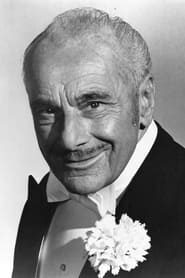
Fritz Feld
Actor
Born: October 15, 1900 in Berlin, Germany Died: November 18, 1993 Active: 1928-1970s
Films
2 films
About Fritz Feld
German-American character actor: remarkable over six decades, from the silent era through the 1980s. Born in Berlin, he began his career in German theater before emigrating to the United States and breaking into Hollywood films in the late 1920s. Feld successfully transitioned from silent films to talkies, leveraging his distinctive German accent and European mannerisms to become one of cinema's most recognizable character actors. Fritz appears in more than 140 films, often typecast as waiters, maître d's, professors, and other continental European characters. His trademark was a distinctive 'pop' sound he would make with his mouth, which became his signature throughout his career. Feld continued working consistently into his 80s, appearing in both feature films and television shows, making him one of Hollywood's most enduring character actors. His final film appearance was in 'The Great Race' (1965), though he continued with television work into the 1970s.
The Craft
On Screen
Feld was known for his distinctive European characterizations, often playing waiters, maître d's, and other continental types with exaggerated German accents and mannerisms. His acting style combined comic timing with precise physical comedy, particularly his famous 'pop' sound effect made by quickly clicking his tongue against the roof of his mouth. Feld had a unique ability to steal scenes despite often having minimal dialogue, relying on his expressive face, distinctive voice, and trademark mannerisms to create memorable characters. His performances were consistently polished and professional, making him a reliable presence in countless Hollywood productions.
Milestones
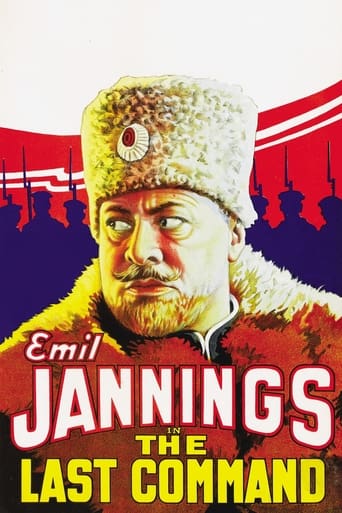
- Appeared in the Academy Award-winning film 'The Last Command' (1928)
- Successfully transitioned from silent films to talkies
- Developed his trademark 'pop' sound that became his signature
- Appeared in over 140 films during his 60+ year career
- Received a star on the Hollywood Walk of Fame
- Married fellow actress Virginia Christine
Best Known For
Iconic Roles
Must-See Films
Accolades
Won
- Hollywood Walk of Fame Star (1960)
Special Recognition
- Hollywood Walk of Fame Star at 6608 Hollywood Boulevard
Working Relationships
Worked Often With
Studios
Why They Matter
Impact on Culture
Fritz Feld became an iconic figure in Hollywood's golden age, representing the archetypal European character actor that populated countless films of the era. His distinctive 'pop' sound and continental mannerisms became cultural touchstones, often parodied and imitated in later films and television shows. Feld's career demonstrated the importance of character actors in creating the Hollywood cinema, proving that memorable performances didn't always require leading roles. His ability to work consistently across six decades showcased the durability and value of reliable character actors in the studio system. Feld's typecasting, while limiting in some ways, also made him an instantly recognizable and beloved figure to generations of moviegoers.
Lasting Legacy
Fritz Feld's legacy lies in his contribution to the rich tradition of character acting in Hollywood cinema. His over 140 film appearances created a lasting archive of memorable supporting performances that enhanced countless classic films. The 'Fritz Feld pop' became part of Hollywood's sonic landscape, a distinctive sound that audiences immediately recognized. His career longevity demonstrated the viability and importance of character actors in the film industry, inspiring generations of performers to embrace supporting roles. Feld's work continues to be appreciated by film enthusiasts and scholars who study the crucial role character actors played in creating the magic of classic Hollywood cinema.
Who They Inspired
Feld influenced generations of character actors who specialized in ethnic and foreign characterizations, showing how distinctive mannerisms and vocal qualities could create a lasting career in supporting roles. His success in typecasting demonstrated how actors could turn limitations into strengths, embracing their natural attributes to create memorable characters. Many later character actors, including those specializing in European roles, drew inspiration from Feld's ability to make the most of limited screen time. His trademark 'pop' sound became part of the actor's toolkit that many would attempt to emulate, though none could match his distinctive delivery.
Off Screen
Fritz Feld was married to actress Virginia Christine, best known for her role as Mrs. Olson in Folgers coffee commercials. The couple had two children together, a son named Steven and a daughter named Judith. Their marriage was considered one of Hollywood's most stable relationships, lasting from 1940 until Feld's death in 1993. Both Feld and Christine continued acting throughout their lives, with Christine often appearing alongside her husband in various film and television projects.
Education
Educated in Berlin, Germany; studied acting and theater in his youth before beginning his stage career in Europe
Family
- Virginia Christine (1940-1993)
Did You Know?
- His trademark 'pop' sound was so distinctive that it became his calling card throughout Hollywood
- He appeared in films spanning from the silent era through the 1960s, a career lasting over 60 years
- Despite being typecast as European characters, he was actually born in Berlin and spoke German fluently
- He and his wife Virginia Christine both appeared in the film 'To Be or Not to Be' (1942)
- His star on the Hollywood Walk of Fame was awarded in 1960 for his contributions to motion pictures
- He often played characters named 'Fritz' in his films, blurring the line between actor and role
- He was a favorite of director Ernst Lubitsch, who frequently cast him in his sophisticated comedies
- His distinctive appearance included a pencil-thin mustache that became part of his signature look
- He continued working well into his 60s, appearing in television shows in the 1960s and 1970s
- Despite his heavy German accent, he was beloved by audiences and frequently cast in American films
In Their Own Words
"The pop? It just came naturally. I discovered it early in my career and audiences seemed to love it, so it became my trademark." (Interview about his signature sound)
"Being typecast isn't so bad when you're typecast as something people enjoy watching. I've never been out of work." (On his career longevity)
"In Hollywood, it's better to be a good character actor than a bad leading man. I've always known my place and I've been very successful at it." (On his acting philosophy)
Frequently Asked Questions
Who was Fritz Feld?
German-American character with credits in this catalog. He appeared in over 140 films during a career spanning six decades, often playing waiters, maître d's, and other continental characters with his signature German accent and mannerisms.
What films is Fritz Feld best known for?
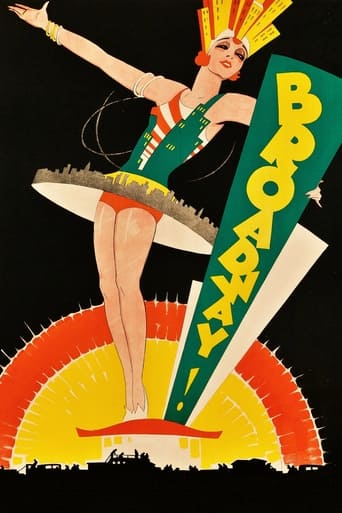
Titles linked here include The Last Command (1928), Broadway (1929).
When was Fritz Feld born and when did he die?
Born October 15, 1900; died November 18, 1993.
What awards did Fritz Feld win?
Fritz Feld received a star on the Hollywood Walk of Fame in 1960 in recognition of his contributions to motion pictures. While he didn't receive major acting awards, his long and successful career earned him recognition as one of Hollywood's most beloved character actors.
What was Fritz Feld's acting style?
Feld was known for his distinctive European characterizations with exaggerated German accents and mannerisms. His acting style featured comic timing, physical comedy, and his famous 'pop' sound effect. He specialized in creating memorable characters through expressive faces, distinctive voices, and trademark mannerisms.
Was Fritz Feld married?
Yes, Fritz Feld was married to actress Virginia Christine from 1940 until his death in 1993. Christine was best known for her role as Mrs. Olson in Folgers coffee commercials, and the couple had two children together, Steven and Judith.
What was Fritz Feld's trademark sound?
Fritz Feld's trademark was a distinctive 'pop' sound he made by quickly clicking his tongue against the roof of his mouth. This sound became his signature throughout his career and was so recognizable that audiences immediately associated it with his performances.