
Boyd Marshall
Actor
Born: February 27, 1882 in New York City, New York, USA Died: June 2, 1950 Active: 1915-1925
Films
4 films
About Boyd Marshall
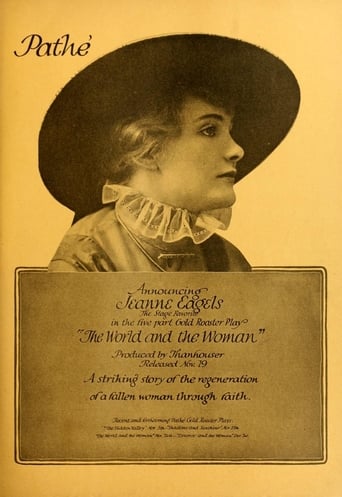
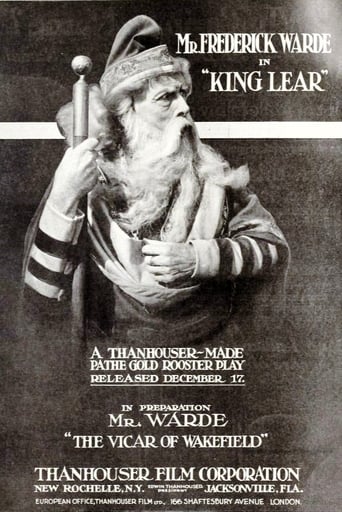
American actor who flourished during the silent film era, making his mark in cinema during the mid-1910s through the early 1920s. Born in New York City in 1882, Marshall began his film career at the dawn of Hollywood's golden age, appearing in numerous productions that showcased the dramatic storytelling techniques of silent cinema. His most notable works included appearances in 'The World and the Woman' (1916) starring the Theda Bara, and the ambitious adaptation of Shakespeare's 'King Lear' (1916), which demonstrated his versatility as a performer. Throughout his career, Marshall worked with various studios and directors, establishing himself as a reliable character actor capable of portraying both dramatic and supporting roles. His filmography spanned nearly a decade, during which he appeared in dozens of silent features and shorts, contributing to the burgeoning American film industry. As the transition to sound films began in the late 1920s, Marshall's career in motion pictures gradually diminished, reflecting the challenges many silent-era actors faced during this technological revolution. He spent his later years away from the spotlight, passing away in 1950 at the age of 68, leaving behind a legacy as a contributor to cinema's formative years.
The Craft
On Screen
As a silent film actor, Boyd Marshall employed the exaggerated physical expressions and dramatic gestures typical of the era, using his facial expressions and body language to convey emotion without dialogue. His performances reflected the theatrical traditions that influenced early cinema, with emphasis on clear, readable emotions that could be understood by audiences across language barriers. Marshall demonstrated particular skill in dramatic roles, bringing intensity to his characters through carefully crafted movements and expressive eyes that captured the attention of silent film audiences.
Milestones
- Appeared in 'The World and the Woman' (1916) with Theda Bara
- Starred in Shakespeare adaptation 'King Lear' (1916)
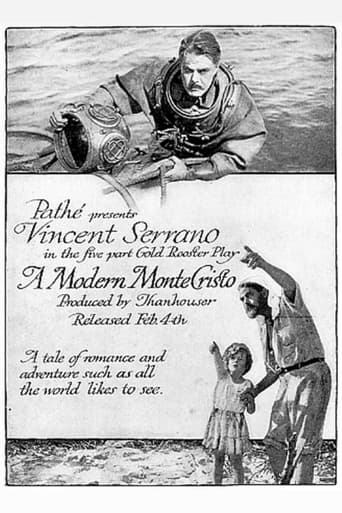
- Featured in 'A Modern Monte Cristo' (1917)
- Worked extensively during the silent film era
- Appeared in over 30 silent films throughout his career
Best Known For
Iconic Roles
Must-See Films
Accolades
Special Recognition
- Contributor to American silent cinema heritage
Working Relationships
Worked Often With
Studios
Why They Matter
Impact on Culture
Boyd Marshall represents the generation of actors who helped establish the foundation of American cinema during its formative years. His work in silent films contributed to the development of cinematic storytelling techniques that would influence future generations of filmmakers. As an actor who appeared in literary adaptations like 'King Lear,' Marshall participated in early efforts to bring classical literature to the silver screen, helping to establish cinema as a legitimate artistic medium capable of handling complex narratives. His career trajectory, spanning the peak of silent film production and its eventual decline, reflects the broader evolution of the American film industry and the challenges faced by performers during technological transitions.
Lasting Legacy
While Boyd Marshall may not be remembered as a major star of his era, his contributions to silent cinema represent the collective effort of countless actors who built the foundation of Hollywood's golden age. His filmography serves as a valuable record of early American filmmaking practices and the types of stories that captivated audiences during the 1910s. The preservation of his films, particularly 'The World and the Woman' and 'King Lear,' provides modern scholars and film enthusiasts with insight into the artistic ambitions of early cinema. Marshall's career exemplifies the journey of many working actors of the silent era who, while not achieving lasting fame, played essential roles in developing the art and craft of motion picture acting.
Who They Inspired
As a character actor during the silent era, Boyd Marshall's influence lies primarily in his contribution to the development of film acting techniques that would be refined and built upon by future generations. His work in dramatic productions helped establish conventions for non-verbal storytelling that remained relevant even after the advent of sound. While specific records of his mentorship or direct influence on other actors are limited, his performances in ensemble casts likely contributed to the collaborative learning environment that characterized early Hollywood film sets.
Off Screen
Boyd Marshall was born and raised in New York City, where he likely developed his interest in performing arts before transitioning to the burgeoning film industry in California. Like many actors of his era, he was part of the migration to Hollywood during the 1910s as the film industry consolidated there. Details about his personal relationships and family life remain scarce, as was common for many supporting actors of the silent era who did not achieve major stardom. His life spanned significant periods of American history, from the Gilded Age through World War II, and he witnessed the dramatic transformation of cinema from silent spectacles to sound films.
Did You Know?
- Appeared in the same year (1916) in both a Shakespeare adaptation and a contemporary drama
- Worked with Theda Bara during the peak of her 'vamp' persona popularity
- His career coincided with the transition of film production from the East Coast to Hollywood
- Participated in the early wave of literary adaptations that helped legitimize cinema as an art form
- His film career ended before the full transition to sound films in the late 1920s
- Like many silent era actors, his personal details remain relatively obscure compared to major stars
- Born in New York, the early center of American film production before Hollywood's dominance
- Appeared in films during World War I, a period that saw significant growth in American film production
Frequently Asked Questions
Who was Boyd Marshall?
American with credits in this catalog. He is best known for his roles in 'The World and the Woman' (1916), 'King Lear' (1916), and 'A Modern Monte Cristo' (1917).
What films is Boyd Marshall best known for?
Titles linked here include The World and the Woman (1916), King Lear (1916).
When was Boyd Marshall born and when did he die?
Born February 27, 1882; died June 2, 1950.
What awards did Boyd Marshall win?
There are no recorded major awards or nominations for Boyd Marshall, which was common for many supporting actors during the silent era when formal award ceremonies were not yet established.
What was Boyd Marshall's acting style?
Boyd Marshall employed the dramatic, expressive acting style typical of silent film era performers, using exaggerated gestures and facial expressions to convey emotion without dialogue. His performances reflected the theatrical traditions that influenced early cinema.
How long was Boyd Marshall's film career?
Boyd Marshall's active film active years covered approximately ten years, from 1915 to 1925, covering the peak years of American silent film production.
Did Boyd Marshall transition to sound films?
No, Boyd Marshall's film career ended before the full transition to sound films in the late 1920s, which was common for many silent era actors whose careers concluded with the advent of talkies.