Paulette Goddard
Actor
Born: June 3, 1910 in Whitestone Landing, Queens, New York, USA Died: April 23, 1990 Active: 1929-1972 Birth Name: Marion Carleton Gwynne Goddard
Films
3 films
About Paulette Goddard
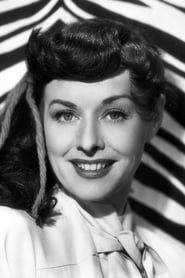
Paulette Goddard (born Marion Carleton Gwynne Goddard) was an American actress who rose to fame during the Golden Age of Hollywood, beginning her career as a child model and dancer before transitioning to Broadway and eventually films. Her breakthrough came when Charlie Chaplin discovered her and cast her in 'Modern Times' (1936), leading to a romantic and professional relationship that significantly impacted her career trajectory. Goddard became popular actresses of the 1930s and 1940s, renowned for her sparkling comedic timing, glamorous appearance, and remarkable versatility in both dramatic and comedic roles. She received an Academy Award nomination for Best Actress for her powerful performance in 'So Proudly We Hail!' (1943), demonstrating her dramatic range beyond her comedic successes. Throughout her career, she appeared in over 40 films, working with directors like Cecil B. DeMille, Mitchell Leisen, and George Cukor, while maintaining her status as a box office draw. After her film career waned in the late 1950s, she successfully transitioned to television appearances and focused on her business ventures and philanthropy, eventually retiring to Switzerland where she spent her final years surrounded by her extensive art collection.
The Craft
On Screen
Paulette Goddard was known for her effervescent and sophisticated acting style, characterized by sharp comedic timing, natural charm, and a distinctive husky voice that became her trademark. She excelled in screwball comedies, where her quick wit and glamorous presence made her a perfect foil for leading men like Fred MacMurray and Bob Hope. Her dramatic performances revealed surprising depth and emotional range, particularly in war dramas where she could convey both strength and vulnerability. Goddard had a unique ability to transition seamlessly between bubbly comedic roles and serious dramatic parts, often within the same film. Her screen presence was marked by a combination of sophistication and approachability, making her. She was particularly adept at playing strong, independent women who could hold their own against male co-stars, a trait that resonated with audiences during the changing social dynamics of the 1930s and 1940s.
Milestones
- Breakthrough role in 'Modern Times' (1936) opposite Charlie Chaplin
- Academy Award nomination for Best Actress for 'So Proudly We Hail!' (1943)
- Starred in Cecil B. DeMille's 'Reap the Wild Wind' (1942)
- Successful transition from silent films to talkies
- Major contract player at Paramount Pictures in the 1940s
- Broadway debut in 'The Ziegfeld Follies of 1927'
- Retirement from films in 1958 to focus on business ventures
- Marriage to Charlie Chaplin and their professional collaborations
Best Known For
Iconic Roles
Must-See Films
Accolades
Won
- Academy Award nomination for Best Actress for 'So Proudly We Hail!' (1943)
- New York Film Critics Circle Award for Best Actress for 'So Proudly We Hail!' (1943)
- Golden Apple Award for Most Cooperative Actress (1940)
Nominated
- Academy Award nomination for Best Actress for 'So Proudly We Hail!' (1943)
- Golden Globe nomination for Best Actress for 'The Diary of a Chambermaid' (1946)
Special Recognition
- Hollywood Walk of Fame star at 1652 Vine Street
- Golden Palm Star on the Palm Springs Walk of Stars
- Inducted into the International Best Dressed List Hall of Fame
Working Relationships
Worked Often With
Studios
Why They Matter
Impact on Culture
Paulette Goddard significantly influenced Hollywood's representation of strong, independent women during the 1930s and 1940s, breaking away from traditional female stereotypes with her portrayals of assertive, intelligent characters who could compete with men on equal footing. Her role in 'The Women' (1939) was particularly groundbreaking as part of an all-female cast that addressed themes of female solidarity and competition. Goddard's fashion sense and glamorous style made her a trendsetter, influencing women's fashion throughout the 1940s with her sophisticated yet practical wardrobe choices. Her successful transition from Chaplin's muse to an independent star demonstrated the possibilities for female autonomy in Hollywood, inspiring other actresses to seek more control over their careers. During World War II, her roles in patriotic films like 'So Proudly We Hail!' contributed to the war effort by boosting morale and portraying women's contributions to the war effort. Her business acumen and successful investments set a precedent for Hollywood stars to diversify their income streams beyond acting, paving the way for future generations of entertainment entrepreneurs.
Lasting Legacy
Paulette Goddard's legacy endures through her memorable performances in classic Hollywood films that continue to be celebrated by film enthusiasts and scholars. Her work in screwball comedies helped define the genre, and her dramatic roles demonstrated the versatility required of leading ladies during Hollywood's Golden Age. Goddard's art collection, which she bequeathed to various museums, ensures her influence extends beyond cinema into the world of fine arts. Her marriages to Chaplin and Remarque have made her a subject of continued biographical interest, linking her to two of the 20th century's most important cultural figures. The preservation of her films in the Library of Congress and other archives ensures that future generations can appreciate her contributions to cinema. Goddard's career trajectory—from Broadway chorus girl to Hollywood star to successful businesswoman—represents the possibilities for reinvention and success that defined the American entertainment industry during its golden era.
Who They Inspired
Paulette Goddard influenced subsequent generations of actresses through her demonstration that female stars could maintain both glamour and substance in their roles. Her ability to balance comedy and drama paved the way for actresses like Doris Day and Marilyn Monroe who would follow similar career paths. Her business savvy and financial independence inspired later stars like Lucille Ball and Mary Tyler Moore to take control of their own production companies and careers. Goddard's work with directors like Preston Sturges and Cecil B. DeMille helped establish new standards for comedic timing and dramatic intensity that influenced acting techniques for decades. Her portrayal of strong, independent women during an era when such roles were rare helped expand the possibilities for female characters in American cinema. The sophistication and worldly charm she brought to her roles influenced the development of the modern Hollywood leading lady archetype.
Off Screen
Paulette Goddard's personal life was as glamorous and dramatic as her film career, marked by high-profile marriages and relationships with some of Hollywood's most influential men. She married wealthy businessman Edgar James in 1927, but the marriage ended in divorce in 1930, leaving her with a substantial financial settlement that helped support her during her early career struggles. Her most famous relationship was with Charlie Chaplin, which began professionally with 'Modern Times' and evolved into a romantic partnership that lasted from 1936 to 1942, though they were privately married during part of this time. She later married actor Burgess Meredith in 1944, with whom she co-starred in several films, but their marriage ended in divorce in 1949. Her final marriage was to German novelist Erich Maria Remarque in 1958, which lasted until his death in 1970. Goddard had no children of her own but was known for her extensive philanthropic work and her impressive art collection, which included works by Picasso, Monet, and other masters.
Education
Attended Washington Irving High School in New York City, studied dance at the Ned Wayburn School of Dancing, took acting classes at various New York studios while pursuing her Broadway career
Family
- Edgar James (1927-1930)
- Charlie Chaplin (1936-1942, private marriage)
- Burgess Meredith (1944-1949)
- Erich Maria Remarque (1958-1970, his death)
Did You Know?
- Was originally offered the role of Scarlett O'Hara in 'Gone with the Wind' but lost it after her relationship with Chaplin became public
- Her distinctive husky voice was the result of a childhood bout of whooping cough
- She was one of the highest-paid actresses in Hollywood during the early 1940s, earning $150,000 per film
- Goddard — licensed pilot and often flew herself to film locations
- She owned and operated a successful business manufacturing aircraft parts during World War II
- Her art collection was valued at over $20 million at the time of her death
- She was a close friend of fellow actress Joan Bennett for over 50 years
- Goddard was considered for the role of Margo Channing in 'All About Eve' before Bette Davis was cast
- She spoke fluent French and German, which helped in her international business dealings
- Her final film appearance was in the Italian film 'The Sins of Babylon' in 1958
- She was a founding member of the Hollywood Anti-Nazi League in the 1930s
- Goddard turned down the role of Phyllis Dietrichson in 'Double Indemnity' (1944)
In Their Own Words
I'm not a star. I'm an actress. There's a big difference. Stars don't have to act.
Being a movie star is a hell of a way to make a living, but I wouldn't trade it for anything.
Chaplin taught me everything about the camera. He was a genius, but he was also a very difficult man to live with.
I always tried to play women who were real, who had problems and solved them themselves.
Hollywood is a place where they'll pay you a thousand dollars for a kiss and fifty cents for your soul.
Frequently Asked Questions
Who was Paulette Goddard?
Celebrated American actress of Hollywood's Golden Age, known for her work in both comedies and dramas. She rose to fame after being discovered by Charlie Chaplin and starred in over 40 films from the 1920s through the 1950s, earning an Academy Award nomination for her dramatic work.
What films is Paulette Goddard best known for?
Titles linked here include Modern Times (1936), The Women (1939).
When was Paulette Goddard born and when did she die?
Born June 3, 1910; died April 23, 1990.
What awards did Paulette Goddard win?
Goddard received an Academy Award nomination for Best Actress for 'So Proudly We Hail!' (1943) and won the New York Film Critics Circle Award for the same performance. She also received a Golden Apple Award for Most Cooperative Actress in 1940.
What was Paulette Goddard's acting style?
Goddard was known for her sparkling comedic timing, natural charm, and distinctive husky voice. She excelled in screwball comedies but also demonstrated impressive dramatic range, particularly in war dramas, often playing strong, independent women who could hold their own against male co-stars.
Was Paulette Goddard married to Charlie Chaplin?
Goddard had a significant personal and professional relationship with Charlie Chaplin from 1936 to 1942, appearing together in 'Modern Times' and 'The Great Dictator.' While they maintained they were privately married during this period, the exact legal status of their relationship remains disputed by biographers.
What happened to Paulette Goddard after her film career?
After retiring from films in 1958, Goddard focused on business ventures and philanthropy, becoming a successful entrepreneur and art collector. She moved to Switzerland with her husband Erich Maria Remarque and lived there until her death in 1990, leaving behind an impressive art collection valued at millions.