Paul Weigel
Actor
Born: February 27, 1867 in Milwaukee, Wisconsin, USA Died: August 25, 1945 Active: 1913-1934
Films
3 films

About Paul Weigel
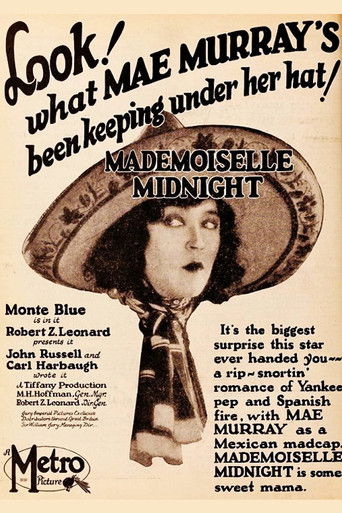
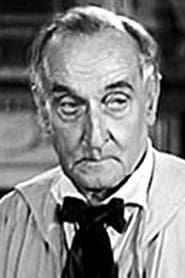
prolific character actor of the silent film era — known for his distinctive bald appearance and authoritative demeanor. Born in Milwaukee, Wisconsin in 1867, he began his film career in the early 1910s and quickly established himself as a reliable supporting player in Hollywood's burgeoning studio system. Throughout his career, which spanned over 150 films, Weigel specialized in portraying professors, doctors, judges, and other figures of authority, bringing gravitas and authenticity to each role. He worked extensively with major studios including Fox, Universal, and Paramount, appearing in numerous productions alongside the era's biggest stars. His most notable appearances came in the mid-1920s with roles in films like 'Mademoiselle Midnight' (1924) and 'For Heaven's Sake' (1926), which showcased his ability to balance comedy with dramatic elements. As the film industry transitioned to sound in the late 1920s, Weigel's appearances became less frequent, though he continued to work in smaller roles throughout the early 1930s. He retired from acting in the mid-1930s after a career that had spanned two decades of American cinema's most transformative period.
The Craft
On Screen
Weigel was known for his dignified and authoritative screen presence, often playing educated or professional characters with a serious demeanor. His acting style was typical of the silent era's theatrical approach, using exaggerated facial expressions and gestures to convey emotion and character. Despite the limitations of silent film, he brought nuance to his supporting roles, creating memorable characters even with limited screen time.
Milestones
- Appeared in over 150 silent films
- Regular supporting player at major Hollywood studios
- Transitioned from silent films to early talkies
- Known for distinctive bald appearance and authoritative roles
Best Known For
Iconic Roles
Must-See Films
Working Relationships
Worked Often With
Studios
Why They Matter
Impact on Culture
Paul Weigel represents the quintessential character actor of Hollywood's silent era, embodying the type of reliable performer who formed the backbone of studio productions during cinema's formative years. His extensive filmography demonstrates the crucial role that supporting actors played in establishing the visual language of American cinema. While never achieving star status, Weigel's consistent presence in hundreds of films contributed to the richness and authenticity of silent film productions, helping to create believable worlds for audiences of the time. His career trajectory also reflects the broader challenges faced by many silent film actors during the industry's transition to sound, highlighting an important transitional period in film history.
Lasting Legacy
Paul Weigel's legacy lies in his contribution to the golden age of silent cinema as one of the era's most prolific character actors. His body of work, spanning over 150 films, serves as a valuable record of silent film production techniques and the types of stories that captivated early 20th century audiences. While individual films may not have survived the test of time, his collective work represents the dedication and craftsmanship of the unsung heroes who built Hollywood's foundation. Film historians and silent cinema enthusiasts continue to discover and appreciate his performances when viewing restored silent films from the 1910s and 1920s.
Who They Inspired
As a character actor rather than a star, Paul Weigel's direct influence on subsequent generations of performers is difficult to trace, but his work exemplified the professional approach to supporting roles that would become standard in Hollywood. His ability to create memorable characters with limited screen time set a template for future character actors in the industry. The reliability and versatility he demonstrated throughout his career served as an example of the type of professional conduct valued by studio systems during Hollywood's golden age.
Off Screen
Paul Weigel maintained a relatively private personal life throughout his Hollywood career. He married and had a family, though details about his spouse and children remain scarce in historical records. Unlike many of his contemporaries, Weigel avoided the Hollywood social scene and focused primarily on his craft. He lived in Los Angeles during his active years in film and remained there until his death in 1945 at the age of 78.
Education
Unknown
Family
- Unknown
Did You Know?
- Appeared in over 150 films during his career
- His distinctive bald appearance made him easily recognizable to silent film audiences
- Often typecast as professors, doctors, and other authority figures
- Worked with some of the biggest stars of the silent era including Harold Lloyd
- Successfully transitioned from silent films to early talkies, though with fewer roles
- Was one of the older actors working in silent films, beginning his career in his 40s
- His filmography includes many lost films that no longer exist today
- Represented the typical studio contract player of the silent era
- His active years covered the entire golden age of silent cinema
- Retired from acting shortly after the full transition to sound films
Frequently Asked Questions
Who was Paul Weigel?
Prolific American character with credits in this catalog. Known for his distinctive bald appearance and authoritative demeanor, he appeared in over 150 films, often playing professors, doctors, and other figures of authority.
What films is Paul Weigel best known for?
Titles linked here include Mademoiselle Midnight (1924), For Heaven's Sake (1926).
When was Paul Weigel born and when did he die?
Born February 27, 1867; died August 25, 1945.
What awards did Paul Weigel win?
Paul Weigel did not receive any major awards or nominations during his career, which was typical for character actors of the silent era who often worked without formal recognition despite their significant contributions to films.
What was Paul Weigel's acting style?
Weigel's acting style was characteristic of the silent era, featuring theatrical expressions and gestures to convey emotion. He specialized in dignified, authoritative roles, bringing gravitas to characters like professors and doctors through his serious demeanor and distinctive appearance.