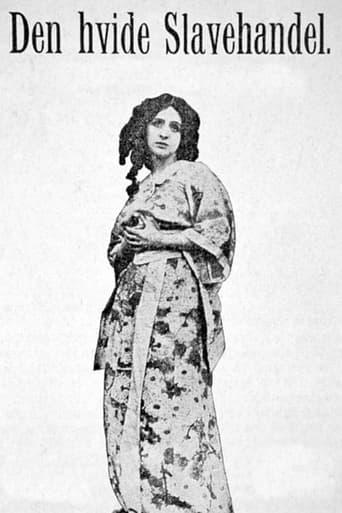
Ellen Diedrich
Actor
Born: December 25, 1877 in Copenhagen, Denmark Died: May 9, 1922 Active: 1894-1910 (Stage/Film) Birth Name: Ellen Mathilde Diedrich
Films
1 film
About Ellen Diedrich
Danish actress: career flourished during the years of the silent film era in Denmark. Born Ellen Mathilde Diedrich in Copenhagen on Christmas Day, 1877, she initially established herself as a stage performer, making her theatrical debut at the age of 17 in 1894. Her transition to the screen occurred in 1910 when she became one of the early stars for the Nordisk Film studio, working under prominent directors like August Blom and Viggo Larsen. She is most remembered for her leading role in the controversial and highly successful film 'The White Slave Trade' (Den hvide slavehandel), which was a landmark production for the Danish film industry. Despite her significant impact during this period, her film career was relatively brief, concentrated primarily in the year 1910. She later became known as Ellen Rindom following her marriage to actor and screenwriter Svend Rindom, and she passed away in her native Copenhagen in 1922 at the age of 44.
The Craft
On Screen
Diedrich's acting style was characteristic of the early silent era, emphasizing expressive facial movements and physical gestures to convey emotion in the absence of sound. In her most famous role as Anna, she utilized a 'damsel in distress' archetype that required a transition from youthful innocence to desperate terror, a performance that helped define the 'social problem' genre in early European cinema.
Milestones
- Made her professional stage debut in 1894 at age 17
- Starring role in 'The White Slave Trade' (1910), the first feature-length film for Nordisk Film
- Collaborated with director August Blom during the 'Golden Age' of Danish silent cinema
- Appeared in five major Danish silent productions in a single year (1910)
- Became one of the early faces of Nordisk Film, which was then the second-largest film company in the world
Best Known For
Iconic Roles
Must-See Films
Accolades
Special Recognition
- Subject of historical preservation by the Danish Film Institute
- Recognized as a key figure in the early 'social drama' genre of Danish cinema
Working Relationships
Worked Often With
Studios
Why They Matter
Impact on Culture
Ellen Diedrich played a pivotal role in the international success of the Danish film industry. Her performance in 'The White Slave Trade' helped popularize the 'white slavery' subgenre, which became a global sensation and established Denmark as a leading producer of sophisticated, feature-length adult dramas. This film was so successful that it was famously plagiarized and remade, signaling the high commercial value of the stories Diedrich helped bring to life.
Lasting Legacy
Diedrich's legacy is preserved through the surviving prints of her 1910 films, which are considered essential artifacts of early European cinema history. As the mother of Jessie Rindom, she also contributed to a significant Danish acting dynasty. Her work remains a primary example of the 'Nordic style' of silent film, which favored naturalistic settings and social realism over the more theatrical styles of other nations at the time.
Who They Inspired
Her portrayal of the victimized heroine influenced the 'social problem' films of the 1910s, providing a blueprint for the vulnerable but resilient female protagonist that would become a staple of silent melodrama.
Off Screen
Ellen Diedrich was the daughter of Carl Heinrich Lüdolph Diedrich and Helga Vilhelmine Valentin. In 1911, she married the prominent Danish actor and screenwriter Svend Rindom. The couple had one daughter, Jessie Rindom, who followed in her parents' footsteps to become a well-known Danish actress. Ellen and Svend eventually divorced, and she lived the remainder of her life in Copenhagen until her untimely death in 1922.
Education
Trained as a stage actress in Copenhagen; debuted at age 17.
Family
- Svend Rindom (married 1911, later divorced)
Did You Know?
- Her most famous film, 'The White Slave Trade', was a scene-for-scene remake of a film by the rival company Fotorama.
- She was born on Christmas Day in 1877.
- Despite her short film career, she is featured in the Danish National Filmography as a key early actress.
- Her daughter, Jessie Rindom, became one of Denmark's most beloved character actresses in the mid-20th century.
- She is buried at the Tibirke Cemetery in Denmark.
- Her film 'The White Slave Trade' was banned in the United States due to its provocative subject matter.
- She was 32 years old when she made her film debut, which was relatively late for a leading lady of that era.
Frequently Asked Questions
Who was Ellen Diedrich?
Danish stage and silent film actress active during the early 20th century. She is best known for her leading role in the 1910 film 'The White Slave Trade', which was a major international success for Nordisk Film.
What films is Ellen Diedrich best known for?
Titles linked here include The White Slave Trade (Den hvide slavehandel) (1910), Magdalene (1910).
When was Ellen Diedrich born and when did she die?
Born December 25, 1877; died May 9, 1922.
Was Ellen Diedrich related to any other famous actors?
Yes, she was married to actor/writer Svend Rindom and was the mother of Jessie Rindom, a prominent Danish actress who appeared in many films and television shows.
What was Ellen Diedrich's acting style?
She practiced a classic silent film acting style, using expressive physical movements and facial expressions to convey the high drama and emotional stakes of early social melodramas.