Films
2 films

About Mr. James
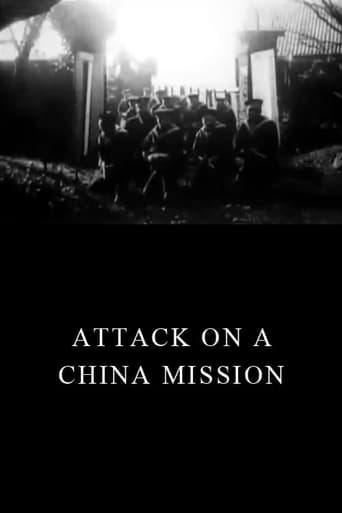
Actor from the earliest days of cinema, active during the silent film era from 1900 to 1919. His nearly two decades of film history's most formative years, beginning when motion pictures were still a novel attraction and ending just as cinema was establishing itself as a major art form. Mr. Appears in 'Attack on a China Mission' in 1900, placing him among the very first generation of film actors when the medium was still experimental and largely uncharted territory. His appearance in 'South' in 1919 demonstrates his longevity in an industry that was rapidly evolving from simple novelty films to more sophisticated storytelling. Like many actors of his generation, he likely transitioned from stage performance to the new medium of film, adapting theatrical techniques for the camera. His career coincided with cinema's transformation from short, simple films to feature-length productions with more complex narratives.
The Craft
On Screen
Like most actors of the early silent era, Mr. James likely employed exaggerated gestures and facial expressions to convey emotion and story without dialogue. Early film acting was heavily influenced by stage techniques, with broad, dramatic movements necessary to be clearly understood by audiences. His style would have evolved from the theatrical approach of 1900 to the more naturalistic methods emerging by 1919.
Milestones
- Appeared in 'Attack on a China Mission' (1900), one of the earliest narrative films
- Performed in 'South' (1919) during the final years of his career
- Spans nearly two decades of early cinema history
- Transitioned from the era of film to the more sophisticated silent period
Best Known For
Must-See Films
Why They Matter
Impact on Culture
Mr. James represents the generation of film actors who helped establish the foundations of screen acting. His participation in films from 1900 places him among the very first performers to work in this new medium, contributing to the development of acting techniques specifically adapted for cinema. While not a major star, actors like him were essential to the growth and evolution of film as both entertainment and art form.
Lasting Legacy
The legacy of Mr. James lies in his contribution to the earliest days of cinema, a period when the language of film was still being invented. His appearances in films spanning nearly two decades demonstrate the longevity possible even for relatively obscure performers in early cinema. While not remembered as a major star, he represents the countless working actors who were the backbone of the early film industry.
Who They Inspired
As an actor from the era of film, Mr. James would have been part of the generation that established basic screen acting techniques that later actors would refine. His work in the 1900s and 1910s contributed to the gradual evolution from theatrical acting styles to more naturalistic film performances that would become standard in later decades.
Off Screen
Very little is known about the personal life of Mr. James, which is typical for many actors from the earliest days of cinema. Like many performers of his era, he likely maintained a degree of separation between his stage persona and private life. The lack of documented personal information suggests he was not among the major stars of his time whose lives were covered by contemporary media.
Did You Know?
- Appeared in films spanning nearly two decades of early cinema history
- Began his film career in 1900, when motion pictures were still a novelty
- His career ended in 1919, just as the film industry was entering its golden age
- Like many early film actors, his real name and personal details remain largely undocumented
- Participated in the transition from short novelty films to more sophisticated storytelling
- His career coincided with major technical innovations in cinema
- Represents the working actors of early film rather than the major stars of the era
Frequently Asked Questions
Who was Mr. James?
Screen credits include 'Attack on a China Mission' (1900) and 'South' (1919). He was active during the years of cinema from 1900 to 1919, representing the early generation of film performers.
What films is Mr. James best known for?
Titles linked here include Attack on a China Mission (1900), South (1919).
When was Mr. James born and when did he die?
Unfortunately, specific birth and death dates for Mr. James are not documented, which is common for many actors from the earliest days of cinema who were not major stars.
What awards did Mr. James win?
Mr. James did not receive any documented awards, which is typical for actors from the 1900-1919 period when formal film awards had not yet been established.
What was Mr. James's acting style?
Like most actors of the early silent era, Mr. James likely used theatrical, exaggerated gestures and expressions common to early film acting. His style would have evolved from the broad techniques of 1900 to more naturalistic approaches emerging by 1919.