Films
2 films

About Giulia Cassini-Rizzotto
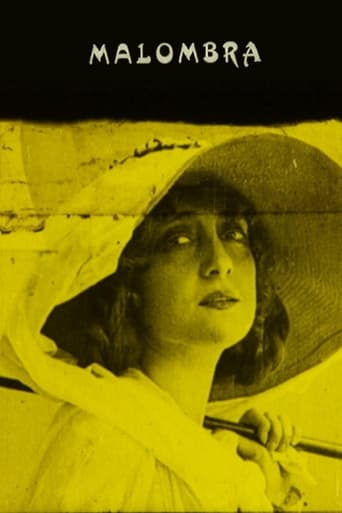
Italian actress active during the silent film era, best known for her role in the 1917 film 'Malombra.' Giulia appears Italian cinema when the country was producing some of its most ambitious and artistically significant silent films. Her career, though brief, coincided with the golden age of Italian silent cinema, which flourished from approximately 1914 to 1920. The film 'Malombra' was one of the notable productions of this period, directed by Carmine Gallone and based on the popular novel by Antonio Fogazzaro. Like many actors of her era, Cassini-Rizzotto's career was likely impacted by the transition to sound films and the economic challenges that faced the Italian film industry in the 1920s. Unfortunately, detailed records of her life and career beyond this single credited role have not survived the passage of time, a common fate for many supporting actors from early cinema.
The Craft
Milestones
- Appeared in the 1917 Italian silent film 'Malombra' directed by Carmine Gallone
Best Known For
Iconic Roles
Must-See Films
Working Relationships
Worked Often With
Why They Matter
Impact on Culture
Giulia Cassini-Rizzotto represents the countless supporting actors who contributed to the early Italian cinema but whose individual stories have been largely lost to history. Her participation in 'Malombra' places her within the context of Italy's significant contribution to world cinema during the silent era, a period when Italian films were known for their epic scale and artistic ambition. While her personal impact may be difficult to trace, she was part of a generation that helped establish cinema as a legitimate art form in Italy.
Lasting Legacy
The legacy of Giulia Cassini-Rizzotto is primarily preserved through her appearance in 'Malombra,' one of the notable Italian silent films that has survived to the present day. While she may not be remembered as an individual star, her contribution to this important work of early Italian cinema ensures her place in film history, however small. Her story serves as a reminder of the many anonymous artists who helped build the foundation of cinema as we know it today.
Who They Inspired
Due to the limited documentation of her career and the brevity of her known film work, it is difficult to trace specific influences that Giulia Cassini-Rizzotto may have had on other performers or filmmakers. However, like all actors of her generation, she contributed to the development of film acting techniques during the transition from theatrical to cinematic performance styles in the silent era.
Off Screen
Very little personal information about Giulia Cassini-Rizzotto has survived from historical records. Like many supporting actors from the early Italian silent film era, her personal life details remain largely undocumented in film archives and historical texts.
Did You Know?
- Appeared in 'Malombra' during the peak of Italian silent cinema production
- Worked with director Carmine Gallone, who would go on to have a long career in Italian and German cinema
- Participated in a film adaptation of Antonio Fogazzaro's popular novel
- Her active years covered during World War I, a period that significantly affected European film production
- Like many early film actors, her complete filmography may be lost or undocumented
- The surname 'Cassini-Rizzotto' suggests possible noble or aristocratic Italian heritage
- Her only known surviving film role was during a period when Italian cinema was competing with Hollywood for international markets
Frequently Asked Questions
Who was Giulia Cassini-Rizzotto?
Italian actress from the silent film era, known primarily for her appearance in the 1917 film 'Malombra.' She was active during a significant period in Italian cinema history when the country was producing artistically ambitious silent films.
What films is Giulia Cassini-Rizzotto best known for?
Titles linked here include Malombra (1917).
When was Giulia Cassini-Rizzotto born and when did she die?
Unfortunately, the birth and death dates of Giulia Cassini-Rizzotto are not documented in available historical records, which is common for many supporting actors from the early silent film era.
What awards did Giulia Cassini-Rizzotto win?
There are no documented awards or nominations for Giulia Cassini-Rizzotto, which was typical for supporting actors of the silent era when formal award ceremonies were not yet established in the film industry.
What was Giulia Cassini-Rizzotto's acting style?
Specific details about Giulia Cassini-Rizzotto's acting style are not documented, but like most actors of the Italian silent era, she likely employed the exaggerated gestures and expressive techniques common to silent film performance of the period.
Why is so little known about Giulia Cassini-Rizzotto?
The scarcity of information about Giulia Cassini-Rizzotto is typical of many supporting actors from early cinema, especially from the Italian silent film period. Many records were lost during World War II, and supporting actors often received less documentation than leading stars.