

Films
2 films
About Oscar Shaw
American stage and screen performer who worked primarily as a singer, actor, and musical-comedy personality during the transition from silent cinema to early sound film. He is best remembered today for his appearances in early talking pictures, especially The Cocoanuts (1929), one of the first feature films made by the Marx Brothers for Paramount, and A Ziegfeld Midnight Frolic (1929), a screen version tied to the glamorous Ziegfeld entertainment tradition. Shaw’s career was rooted more deeply in the Broadway and vaudeville world than in motion pictures, which was common for performers who moved into the new sound era because their voices and stage polish suited early talkies. He was associated with light musical entertainment, bringing a refined, theatrical presence that translated well to the revue-style productions of the late 1920s. His screen career appears to have been brief, but it placed him within a pivotal moment in film history when Hollywood was importing stage talent to meet the demands of dialogue-heavy productions. Although he is not widely remembered as a major film star, he occupies an important place among the performers who helped bridge live musical theater and early sound cinema. Information about his later life and full personal background is limited in surviving film reference sources, which is typical for many supporting players of the era.
The Craft
On Screen
Oscar Shaw’s screen style appears to have been shaped by musical theater and revue performance rather than naturalistic film acting. Performers of his type typically projected clear diction, controlled physical movement, and a polished stage presence that read well in the early sound era’s often static camera setups. In productions like The Cocoanuts, such performers were valued for their voice, timing, and ability to handle songs, dialogue, and light comedy with ease. His work likely emphasized refinement and musicality over broad cinematic character transformation.
Milestones
- Appeared in The Cocoanuts (1929), a landmark early sound comedy featuring the Marx Brothers
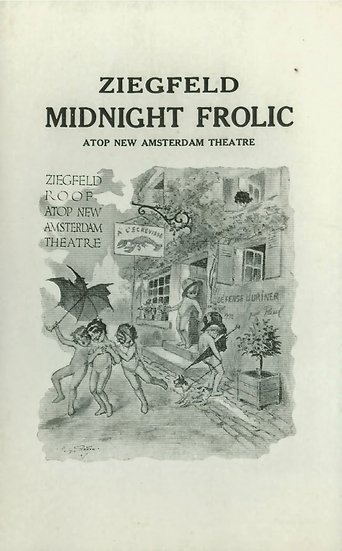
- Performed in A Ziegfeld Midnight Frolic (1929), connecting him to the famous Ziegfeld revue tradition
- Worked as part of the wave of Broadway and vaudeville performers brought into early talkies for their vocal and theatrical skills
- Represented the type of stage-trained talent that helped shape the sound-film transition in late 1920s Hollywood
Best Known For
Iconic Roles
Must-See Films
Working Relationships
Worked Often With
Studios
Why They Matter
Impact on Culture
Oscar Shaw’s cultural significance lies less in celebrity stardom than in the historical function of his work at the birth of the talking picture. He was part of the generation of stage-trained entertainers whose voices, timing, and musical experience made them especially valuable during the industry’s rapid transition from silent films to sound. By appearing in productions such as The Cocoanuts, he contributed to one of the key early sound comedies that demonstrated how Broadway talent could be adapted for cinema. His participation in Ziegfeld-linked material also connects him to the glamorous entertainment culture that heavily influenced early Hollywood musicals and revue pictures. Even though he was not a marquee name, performers like Shaw helped define the tone and performance style of early talkies, especially in musical and comic forms.
Lasting Legacy
Oscar Shaw’s legacy is primarily historical: he stands as an example of the many stage artists whose film work helped establish the sound era’s performance conventions. His screen appearances preserve a glimpse of how Broadway and vaudeville artists were integrated into motion pictures when studios were still learning how to record and stage spoken dialogue and song. For historians of early musical comedy, his name is part of the larger network of performers who carried theatrical polish into Hollywood. While he did not become a major long-running screen personality, his presence in a landmark Marx Brothers film gives him lasting significance in early American cinema studies. His career also illustrates how many talented entertainers of the period remain underrecognized despite contributing to foundational films.
Who They Inspired
Oscar Shaw’s influence was likely indirect rather than broadly documented through teaching or mentorship. He contributed to an era in which stage performers influenced the visual and vocal vocabulary of early sound film, especially in the musical-comedy genre. His work would have aligned with the performance standards expected of Broadway-trained artists who brought diction, rhythm, and stage timing into cinema. In that sense, he belongs to the group of entertainers whose careers helped normalize the crossover between live musical theater and film performance. Any influence he had was probably through the example of his stage-to-screen transition rather than through a documented direct mentorship network.
Off Screen
Surviving standard film-reference information on Oscar Shaw provides very little detail about his personal life, including family background, marriages, or later career. He appears to have been better documented as a stage and musical performer than as a screen celebrity, and many such entertainers of the era left only fragmentary biographical traces in mainstream film histories. No reliable, widely cited public record was available in the sources reflected here regarding his domestic life, private relationships, or later years. As a result, his personal history remains largely obscure compared with his professional association with early musical cinema.
Education
Not reliably documented in available classic-cinema reference sources.
Did You Know?
- Oscar Shaw is remembered mainly for two 1929 screen appearances, both from the earliest years of the sound era.
- He was associated with musical and revue entertainment rather than with dramatic feature-film acting.
- The Cocoanuts is historically important because it was one of the first Marx Brothers feature films and helped define their screen style.
- His appearance in A Ziegfeld Midnight Frolic links him to the legendary Florenz Ziegfeld entertainment brand.
- Like many performers of his generation, he seems to have had a stronger stage background than film career.
- He is an example of a transitional entertainer whose voice and stage polish were assets when Hollywood began filming dialogue and songs.
- Detailed biographical records about him are scarce, which is common for supporting performers of the late 1920s.
- His surviving filmography suggests a very brief screen career, at least in currently documented classic-cinema references.
Frequently Asked Questions
Who was Oscar Shaw?
American stage and screen performer best remembered for his work in early sound-era entertainment. He appeared in 1929 productions such as The Cocoanuts and A Ziegfeld Midnight Frolic, placing him among the Broadway-trained talents who helped shape early talkies.
What films is Oscar Shaw best known for?
Titles linked here include The Cocoanuts (1929), A Ziegfeld Midnight Frolic (1929).
When was Oscar Shaw born and when did he die?
Reliable birth and death dates are not readily available in standard classic-cinema reference sources. His surviving film documentation is limited, so his exact life dates remain uncertain from the information currently available.
What awards did Oscar Shaw win?
No widely documented major awards or formal film-industry honors are currently associated with Oscar Shaw. He appears to have been a supporting stage-to-screen performer rather than a heavily decorated film celebrity.
What was Oscar Shaw's acting style?
His style was likely rooted in musical theater and revue performance, emphasizing clear diction, stage polish, and musical timing. That approach suited early sound films, which often favored performers who could project voice and presence effectively in dialogue-heavy productions.
What is Oscar Shaw's legacy in film history?
Oscar Shaw’s legacy lies in his role as part of the first generation of stage performers who moved into talking pictures. Even though his screen career appears brief, his participation in early sound films helps document the transition from Broadway and vaudeville to Hollywood cinema.