Films
4 films
About Josephine Stevens
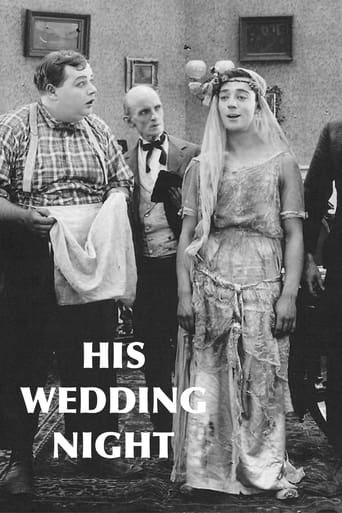
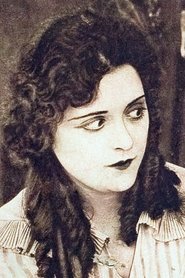
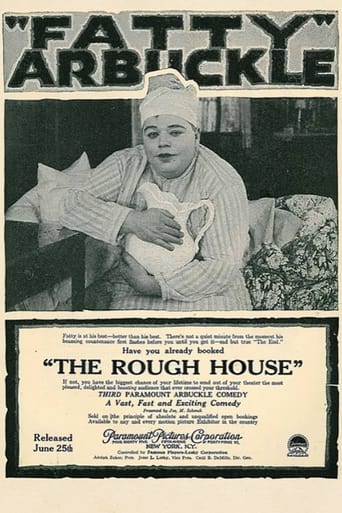
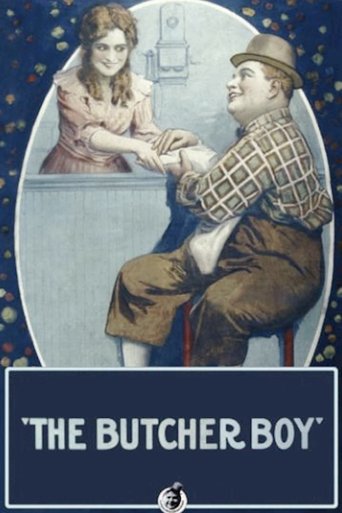
American actress who worked briefly in the silent film era during the pivotal year of 1917. Josephine appears in several comedy shorts, establishing herself as a character actress capable of playing various supporting roles. Her film career, though brief, coincided with the golden age of silent comedy when studios were producing numerous one- and two-reelers to meet public demand. Stevens worked primarily in the comedy genre, appearing alongside some of the era's emerging comic talents. Her performances in films like 'The Butcher Boy' and 'The Rough House' showcased her ability to contribute to ensemble comedy pieces. Like many actors of this period, her career was relatively short-lived, spanning only a single year of documented film work. Her disappearance from film records after 1917 suggests she may have left the industry to pursue other interests or personal commitments, a common pattern for many early film actors.
The Craft
On Screen
Based on her filmography, Stevens appeared to specialize in supporting comedic roles typical of the silent era, likely using the exaggerated physical expressions and gestures required for non-verbal storytelling in silent films
Milestones
- Appeared in three comedy shorts in 1917
- Worked during the peak of silent comedy production
- Contributed to early ensemble comedy films
Best Known For
Must-See Films
Working Relationships
Studios
Why They Matter
Impact on Culture
Josephine Stevens represents the many anonymous contributors to early American cinema whose brief appearances helped shape the foundation of film history. Though her career was short, she was part of the transitional period when cinema was evolving from novelty to art form. Her work in 1917 comedies places her within the context of the silent era's rapid expansion, when thousands of actors were needed to fill the growing demand for content. These ensemble comedies were crucial in developing the language of film comedy that would influence generations of filmmakers.
Lasting Legacy
As an actress with a very brief documented career, Josephine Stevens' legacy is primarily archival, representing the countless performers who contributed to early cinema's development but whose personal stories remain largely undocumented. Her film appearances serve as historical artifacts of the silent comedy era, helping modern scholars understand the scope and scale of early film production.
Who They Inspired
Given the brief nature of her career and lack of extensive documentation, there is no recorded evidence of Josephine Stevens directly influencing other performers or filmmakers. Her influence is indirect, as part of the collective body of work that established early film comedy conventions.
Off Screen
Very little is documented about Josephine Stevens' personal life, which is not uncommon for actors who had brief careers in the early silent film era. Like many performers from this period, detailed biographical information was not systematically preserved.
Did You Know?
- Appeared in three films all released in the same year (1917)
- All her known film appearances were in comedy shorts
- Her career coincided with America's entry into World War I
- The films she appeared in were typical of the two-reel comedy format popular at the time
- Like many early film actors, detailed biographical information about her is scarce
- Her filmography represents the typical output pattern of many supporting actors in the silent era
- The lack of extensive records about her is common for actors who had brief careers in early cinema
Frequently Asked Questions
Who was Josephine Stevens?
American actress who worked briefly in silent films during 1917, appearing in three comedy shorts before disappearing from film records. She was one of many character actors who contributed to early cinema's development during its formative years.
What films is Josephine Stevens best known for?
Titles linked here include His Wedding Night (1917), The Rough House (1917).
When was Josephine Stevens born and when did she die?
Unfortunately, detailed biographical information about Josephine Stevens, including her birth and death dates, is not available in historical records, which is common for many actors who had brief careers in early silent cinema.
What awards did Josephine Stevens win?
Josephine Stevens did not receive any documented awards or nominations during her brief film career in 1917, which was typical for most supporting actors in the early silent film era.
What was Josephine Stevens' acting style?
Based on her appearances in silent comedies, Stevens likely employed the exaggerated physical expressions and gestures typical of silent film actors, specializing in supporting roles within ensemble comedy pieces.