John Hoyt
Actor
Born: October 5, 1905 in Bronxville, New York, USA Died: September 15, 1991 Active: 1930s-1991 Birth Name: John McArthur Hoysradt
Films
2 films
About John Hoyt
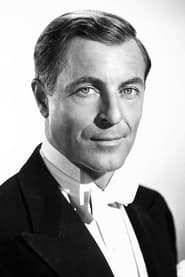
John Hoyt, born John McArthur Hoysradt, began his career as a history teacher before transitioning to acting, making his Broadway debut in the 1930s. He moved to Hollywood in the 1940s and quickly established himself as a reliable character actor, appearing in over 100 films throughout his career. Hoyt was known for his versatility, playing everything from cold-hearted villains to bumbling comedic characters, often utilizing his distinctive voice and imposing presence. His breakthrough came with roles in film noir classics like 'The Big Clock' (1948) and 'The Big Combo' (1955), where his calculating demeanor made him perfectly cast as antagonists. He successfully transitioned to television in the 1950s and 60s, appearing in popular series such as 'The Twilight Zone,' 'Star Trek,' and 'The Wild Wild West.' Hoyt continued working steadily through the 1970s and 80s, maintaining his reputation as one of Hollywood's most dependable character actors until his death in 1991 at age 85.
The Craft
On Screen
Hoyt was known for his precise diction, cold demeanor, and ability to create memorable characters with minimal screen time. He specialized in playing authority figures, intellectuals, and villains, often bringing a sense of menace or condescension to his roles. His distinctive voice, which could range from professorial to menacing, became one of his trademarks, allowing him to excel in both dramatic and comedic roles.
Milestones
- Broadway debut in the 1930s
- Transition from teaching to professional acting
- Over 100 film appearances throughout career
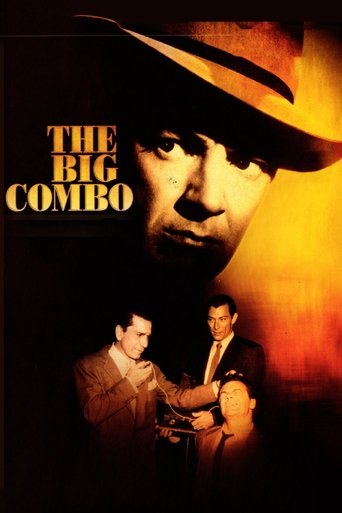
- Notable film noir roles in 'The Big Combo' (1955) and 'The Big Clock' (1948)
- Successful transition to television in the 1950s
- Memorable role as Dr. Phillip Boyce in original 'Star Trek' pilot
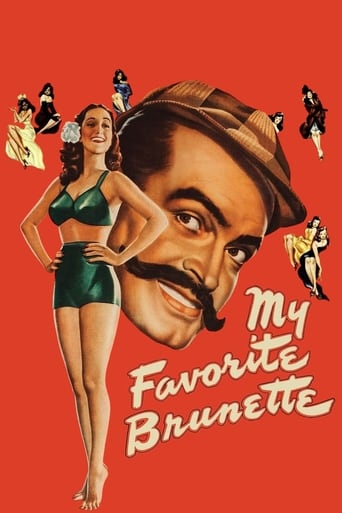
- Appeared in classic comedy 'My Favorite Brunette' (1947)
- Continued acting well into his 80s
Best Known For
Iconic Roles
Must-See Films
Accolades
Special Recognition
- Hollywood Walk of Fame star
Working Relationships
Worked Often With
Studios
Why They Matter
Impact on Culture
John Hoyt represented the quintessential character actor of Golden Age Hollywood, the reliable professional who elevated every production through his craft. His ability to seamlessly transition between genres—from film noir to comedy to science fiction—made him an invaluable asset to directors and producers. Hoyt's distinctive presence helped define the look and feel of mid-century American cinema, particularly in the film noir genre where his cold, calculating demeanor became archetypal. His later television work introduced his talents to new generations, cementing his status as a familiar face in American popular culture.
Lasting Legacy
Hoyt's legacy lies in his remarkable body of work spanning over five decades and multiple media formats. He exemplified the journeyman actor who, while never achieving leading man status, became indispensable through his versatility and professionalism. His performances continue to be studied by film scholars and appreciated by classic cinema enthusiasts for their technical precision and memorable impact. Hoyt demonstrated that character actors could have lasting careers and significant cultural influence without ever becoming household names.
Who They Inspired
Hoyt influenced subsequent generations of character actors through his demonstration of how to create memorable roles with limited screen time. His technique of using voice and physical presence to establish character quickly became a model for actors specializing in supporting roles. Many contemporary character actors cite Hoyt as an example of how to build a long, successful career through reliability and versatility rather than star power.
Off Screen
John Hoyt was married twice and had one son. Before his acting career, he worked as a history teacher at the Salisbury School in Connecticut. He was known as a private person who rarely discussed his personal life in interviews. Hoyt maintained his professional relationships throughout his long career and was respected by colleagues for his reliability and professionalism on set.
Education
Yale University (graduated 1928), studied history and literature
Family
- Marion Virginia Burns (1930s-1940s)
- Dorothy Oltman (1950-1991)
Did You Know?
- Originally worked as a history teacher before pursuing acting
- Changed his name from Hoysradt to Hoyt because it was easier to pronounce
- Appeared in the original 'Star Trek' pilot 'The Cage' as Dr. Phillip Boyce
- Was fluent in multiple languages, which helped him secure diverse roles
- Served in the Army Air Corps during World War II
- Was a skilled horseman, which helped him secure roles in Westerns
- Continued acting well into his 80s, one of the oldest working actors at the time
- Was a Yale graduate with a degree in history
- Often played intellectuals and authority figures due to his scholarly appearance
- Was one of the few actors to work successfully in both film noir and science fiction
In Their Own Words
I've never been a star, but I've always worked. That's the secret to longevity in this business.
Playing villains is more fun. You get to do all the things you'd never do in real life.
A good character actor can make a bad film watchable. A star can't always do that.
Frequently Asked Questions
Who was John Hoyt?
Screen credits include over 100 films and numerous television shows from the 1930s through the 1980s. He was known for his versatility, playing everything from villains to authority figures across multiple genres, particularly excelling in film noir and later in science fiction television.
What films is John Hoyt best known for?
Titles linked here include The Big Combo (1955), My Favorite Brunette (1947).
When was John Hoyt born and when did he die?
Born October 5, 1905; died September 15, 1991.
What awards did John Hoyt win?
While John Hoyt did not receive major acting awards like Academy Awards or Emmys, he was honored with a star on the Hollywood Walk of Fame in recognition of his contributions to the entertainment industry and his long, prolific career as a character actor.
What was John Hoyt's acting style?
John Hoyt's acting style was characterized by precise diction, a cold and calculating demeanor, and the ability to create memorable characters with minimal screen time. He specialized in authority figures and villains, using his distinctive voice and imposing presence to establish his characters quickly and effectively.
Did John Hoyt have another career before acting?
Yes, John Hoyt originally worked as a history teacher at the Salisbury School in Connecticut after graduating from Yale University. He transitioned to acting in the 1930s, making his Broadway debut before moving to Hollywood to pursue a film career.
What was John Hoyt's real name?
John Hoyt's birth name was John McArthur Hoysradt. He changed his professional name to Hoyt early in his career because it was easier for audiences and casting directors to pronounce and remember.