Films
2 films
About Ancion
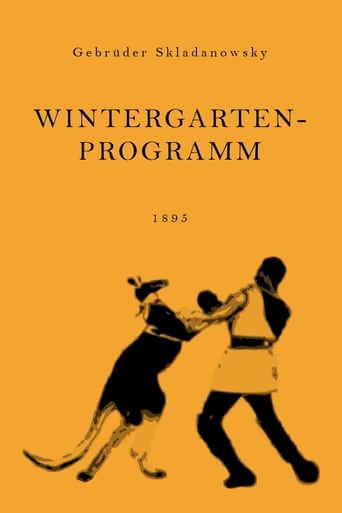
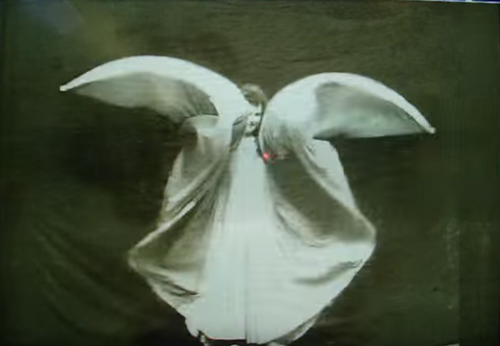
Ancion was one of the performers in the very earliest days of cinema history, appearing in two significant German films from 1895. His brief but historically important film career coincided with the birth of motion pictures as a medium, working during the revolutionary period when the Skladanowsky brothers were film technology in Berlin. Ancion appeared in 'Wintergartenprogramm,' which was part of the first commercial film screening in history at the Wintergarten Varieté theater on November 1, 1895. He also performed in 'Die Serpentintänzerin' (The Serpentine Dancer), one of the earliest dance films ever created. Like many performers from this nascent period of cinema, Ancion likely transitioned from stage performance or vaudeville to the new medium of film. His career was extremely brief, lasting only the single year of 1895, which was typical for many early film performers who were part of experimental productions before the film industry had fully established itself.
The Craft
On Screen
As an actor in 1895, Ancion's style would have been heavily influenced by stage and theatrical traditions, as film acting techniques had not yet been developed. Performances in this era were typically broad, exaggerated, and designed to be visible and understandable without sound or close-ups. The acting would have been static and posed, given the limitations of early camera technology that required performers to remain relatively still to maintain focus and clarity.
Milestones
- Appeared in Wintergartenprogramm (1895), part of the first commercial film screening in history
- Starred in Die Serpentintänzerin (1895), one of the earliest dance films
- Worked with the Skladanowsky brothers, pioneers of German cinema
- Participated in the birth of motion picture technology and performance
Best Known For
Iconic Roles
Must-See Films
Accolades
Special Recognition
- Historical recognition as one of the first film actors in cinema history
Working Relationships
Worked Often With
Studios
Why They Matter
Impact on Culture
Ancion represents the very beginning of film acting as a profession, participating in what was essentially the birth of cinema as an art form and entertainment medium. His appearance in Wintergartenprogramm places him at the historic first commercial film screening, a moment that marked the transition from experimental technology to public entertainment. These early performers were pioneers who helped establish the very concept of film acting, developing techniques that would evolve over the following decades into the sophisticated art form we know today. The work of actors like Ancion in 1895 laid the groundwork for the entire film industry that would follow.
Lasting Legacy
Ancion's legacy is primarily historical rather than artistic, as he represents one of the first generation of film actors who helped establish cinema as a viable entertainment medium. While his individual performances may not have survived as influential artistic works, his participation in these groundbreaking films makes him part of the foundation of film history. The films he appeared in are studied by film historians as examples of the very earliest cinema, and by extension, Ancion is remembered as one of the pioneers who stood before cameras when moving pictures were still a novelty and mystery to audiences.
Who They Inspired
As an actor from the absolute beginning of cinema, Ancion's direct influence on later performers is difficult to trace, but he was part of the generation that established the basic concept of film acting. The performers of 1895, including Ancion, were the first to discover what worked and what didn't when performing for cameras, creating the foundation upon which all subsequent film acting techniques would be built. Their experiments with movement, expression, and timing in front of cameras helped shape the evolution of screen performance from theatrical posing to the nuanced acting styles that would develop in the coming decades.
Off Screen
Very little is known about Ancion's personal life, which is typical for performers from the earliest days of cinema. Like many early film actors, he was likely a stage performer or variety show entertainer who was recruited for these experimental film productions. The documentation of performers from this period was minimal, as the film industry had not yet established the systems for recording and preserving biographical information that would later become standard.
Did You Know?
- Ancion's film career lasted only one year, 1895, making him one of the briefest careers in film history
- Wintergartenprogramm was shown at the first commercial film screening in history at Berlin's Wintergarten theater
- The Skladanowsky brothers who produced Ancion's films were German competitors to the Lumière brothers in France
- Die Serpentintänzerin was one of the first dance films ever made, showcasing the new medium's ability to capture movement
- Performers in 1895 films were typically paid only for the day of filming and received no residuals or royalties
- Early films like Ancion's were usually only a few seconds to a minute long
- The technology used in 1895 required actors to perform under extremely bright, hot lighting
- Many early film performers, like Ancion, were never photographed in still portraits, making visual identification difficult
- The films Ancion appeared in were likely hand-cranked, with no standardized frame rate
- Early cinema performers often came from backgrounds in circus, vaudeville, or music hall entertainment
Frequently Asked Questions
Who was Ancion?
Screen credits include two of the earliest films ever made in 1895, working during the birth of cinema as a medium. He is historically significant as one of the very first film actors in history, appearing in the Wintergartenprogramm which was part of the first commercial film screening.
What films is Ancion best known for?
Titles linked here include Wintergartenprogramm (1895), Die Serpentintänzerin (1895).
When was Ancion born and when did they die?
Unfortunately, specific birth and death dates for Ancion are not known, which is common for performers from the very earliest days of cinema. We only know that he was active as a film actor in 1895.
What awards did Ancion win?
Ancion did not receive any formal awards during his lifetime, as the film industry and its award systems had not yet been established in 1895. His recognition comes primarily from his historical significance as an early cinema pioneer.
What was Ancion's acting style?
Ancion's acting style would have been typical of 1895 - heavily influenced by stage performance with broad, exaggerated gestures and expressions. Early film acting was theatrical and posed, as techniques specific to camera performance had not yet been developed.
Why is Ancion important to film history?
Ancion is important because he represents the very beginning of film acting as a profession. His participation in the first commercial film screening places him at a pivotal moment when cinema transitioned from experimental technology to public entertainment.
Who did Ancion work with?
Ancion worked with the Skladanowsky brothers, Max and Emil, who were German pioneers of cinema technology and production. The Skladanowskys were among the first filmmakers in the world and competitors to the more famous Lumière brothers in France.