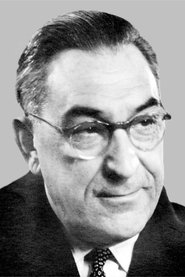
Yuri Lavrov
Actor
Born: May 7, 1905 in Kiev, Russian Empire (now Kyiv, Ukraine) Died: August 26, 1980 Active: 1937-1980 Birth Name: Yuri Sergeyevich Lavrov
Films
3 films
About Yuri Lavrov
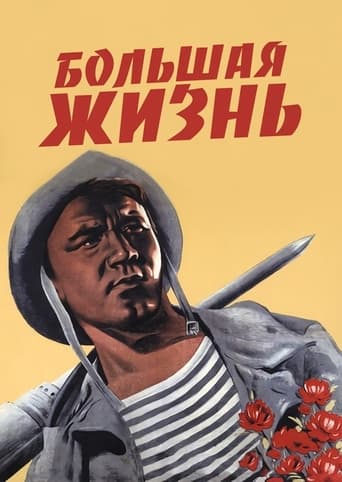
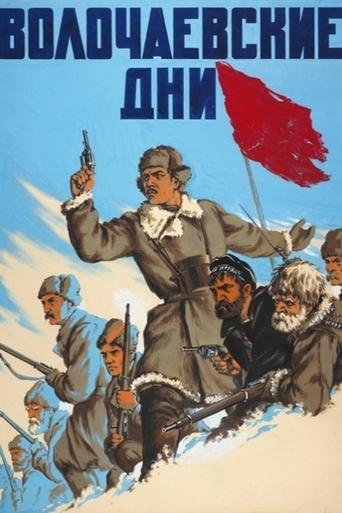
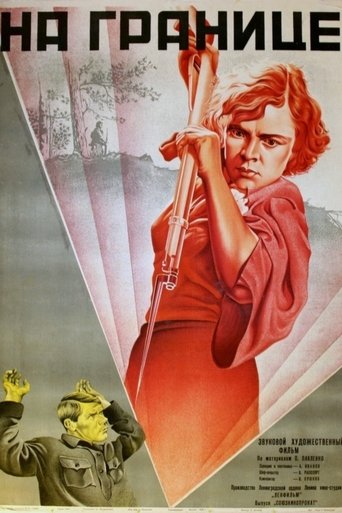
Prominent Soviet actor: several decades of Soviet cinema, though he is particularly remembered for his work in the late 1930s. He emerged as a significant figure during the Stalinist era of Soviet filmmaking, appearing in several propaganda films that celebrated Soviet achievements and military prowess. His performances in 'The Defense of Volotchayevsk' (1937) and 'Soviet Border' (1938) established him as a reliable character actor capable of portraying strong, ideologically sound Soviet citizens. Lavrov's role in 'A Great Life' (1939) further cemented his status in the Soviet film industry during a period when cinema was heavily controlled by the state. Throughout his career, he worked within the constraints of the Soviet system while managing to deliver compelling performances that resonated with audiences of his time. His acting style reflected the theatrical traditions of Soviet cinema, emphasizing clear emotional expression and ideological commitment. Lavrov continued his acting career well beyond the 1930s, becoming a respected figure in Soviet theatrical and film circles until his death in 1980.
The Craft
On Screen
Lavrov's acting style was rooted in the Stanislavski system, characterized by psychological realism combined with the heightened emotional expression required in Soviet cinema. He brought a naturalistic approach to his roles while maintaining the ideological clarity demanded by Soviet filmmakers. His performances often featured strong vocal projection and clear physical characterization, making him particularly effective in portraying military figures and working-class heroes.
Milestones
- Film debut in 'The Defense of Volotchayevsk' (1937)
- Key role in 'Soviet Border' (1938)
- Performance in 'A Great Life' (1939)
- Recognition as a People's Artist of the USSR
- Long-standing career at the Moscow Art Theatre
Best Known For
Iconic Roles
Must-See Films
Accolades
Won
- People's Artist of the USSR (1951)
- Stalin Prize (1946)
- Order of Lenin
- Order of the Red Banner of Labour
Special Recognition
- Honored Artist of the RSFSR
- People's Artist of the RSFSR
Working Relationships
Worked Often With
Studios
Why They Matter
Impact on Culture
Yuri Lavrov contributed significantly to the development of Soviet cinema during its formative years, helping establish the archetypal Soviet hero in film. His performances in military and industrial propaganda films helped shape the visual language of Soviet cinema during the Stalin era. Lavrov's work exemplified the synthesis of theatrical tradition and cinematic realism that characterized the best of Soviet film acting. His active years covered multiple periods of Soviet history, allowing him to adapt to changing political and artistic demands while maintaining his artistic integrity.
Lasting Legacy
Lavrov's legacy endures through his extensive filmography and his influence on subsequent generations of Soviet actors. He is remembered as a representative figure of Soviet cinema's golden age, embodying the ideals and artistic values of his time. His performances continue to be studied by film scholars interested in the evolution of Soviet acting techniques and the relationship between cinema and ideology. Lavrov's work at the Moscow Art Theatre helped bridge the gap between theatrical and cinematic performance traditions in the Soviet Union.
Who They Inspired
Lavrov influenced Soviet acting through his commitment to the Stanislavski system and his ability to adapt theatrical techniques to the medium of film. His work with younger actors at various Soviet theaters helped transmit classical acting traditions to future generations. Lavrov's approach to character development, particularly in historical and military roles, became a model for other Soviet actors working in similar genres. His success in both film and theater demonstrated the possibility of maintaining artistic excellence across different performance media.
Off Screen
Yuri Lavrov was married to actress Valentina Tokarskaya, with whom he had a son, Oleg Lavrov, who also became an actor. The family was deeply involved in Soviet theatrical circles, with multiple generations pursuing careers in the performing arts. Lavrov maintained a relatively private personal life, focusing primarily on his craft and his work with various Soviet theaters.
Education
Graduated from the Kiev Institute of Theatre Arts
Family
- Valentina Tokarskaya (1930s-1980)
Did You Know?
- Began his career on stage before transitioning to film
- Served in the Red Army during World War II
- Was a member of the Communist Party
- Spent part of his career at the Leningrad Comedy Theatre
- His son Oleg followed in his footsteps as an actor
- Received the Stalin Prize for his contributions to Soviet art
- Was known for his meticulous preparation for roles
- Spoke multiple languages fluently, including Ukrainian and Russian
- Survived the Stalinist purges that affected many in the arts
- Continued acting well into his 70s
In Their Own Words
The actor must serve truth, but in our country, truth serves the people
Every role is a responsibility to our audience and our ideals
The stage and screen are our weapons in building the new society
To act is to live another life, but always with the same heart
Frequently Asked Questions
Who was Yuri Lavrov?
Soviet with credits in this catalog. He was particularly prominent during the Stalin era and later became a People's Artist of the USSR, the highest honor for artists in the Soviet Union.
What films is Yuri Lavrov best known for?
Titles linked here include The Defense of Volotchayevsk (1937), Soviet Border (1938).
When was Yuri Lavrov born and when did he die?
Born May 7, 1905; died August 26, 1980.
What awards did Yuri Lavrov win?
Yuri Lavrov received numerous prestigious awards including the title of People's Artist of the USSR in 1951, the Stalin Prize in 1946, the Order of Lenin, and the Order of the Red Banner of Labour. He was also named an Honored Artist and People's Artist of the RSFSR.
What was Yuri Lavrov's acting style?
Lavrov's acting style was based on the Stanislavski system, combining psychological realism with the emotional expressiveness required in Soviet cinema. He was known for his strong vocal projection, clear physical characterization, and ability to convey ideological conviction through naturalistic performance.
Did Yuri Lavrov have any family in the entertainment industry?
Yes, Lavrov was married to actress Valentina Tokarskaya and their son Oleg Lavrov also became an actor. The family represented a multi-generational commitment to Soviet performing arts, with all members contributing to theater and film.
Where did Yuri Lavrov receive his training?
Lavrov graduated from the Kiev Institute of Theatre Arts, where he received formal training in acting based on the Stanislavski system. This education provided the foundation for his successful career in both theater and film throughout the Soviet era.