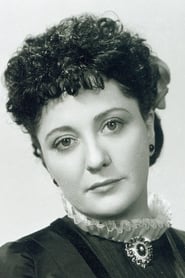
Helen Morgan
Actor
Born: August 2, 1900 in Danville, Illinois, USA Died: October 9, 1941 Active: 1925-1941 Birth Name: Helen Riggins
Films
2 films
About Helen Morgan
Singer and actress of the late 1920s and early 1930s, renowned for her distinctive torch singing style and emotional performances. Born Helen Riggins, she began her career as a cabaret singer in Chicago before moving to New York where she became a sensation at the Cotton Club. Her breakthrough came with her performance in the Broadway production of 'Show Boat' in 1927, where she originated the role of Julie LaVerne and captivated audiences with her rendition of 'Can't Help Lovin' Dat Man.' Morgan's transition to film coincided with the advent of sound pictures, leading to her memorable performances in 'Applause' (1929) and 'Glorifying the American Girl' (1929), which showcased her unique ability to blend singing with dramatic acting. Despite her immense talent, Morgan struggled with alcoholism throughout her career, which ultimately affected both her personal life and professional opportunities. Her tragic life story and premature death at age 41 cemented her status as a figure of early American entertainment, representing both the glamour and the pitfalls of fame during the Jazz Age.
The Craft
On Screen
Morgan's acting style was deeply emotional and authentic, characterized by her ability to convey profound vulnerability and melancholy through both dialogue and song. She pioneered a naturalistic approach in early sound films, avoiding the theatrical mannerisms common in silent cinema. Her performances were marked by a raw, unfiltered quality that resonated with audiences seeking genuine emotional expression. Morgan's unique talent lay in her seamless integration of singing and acting, using her distinctive torch singer voice to enhance the dramatic impact of her scenes. Her screen presence combined glamour with an underlying sadness that made her particularly effective in portraying tragic, complex characters.
Milestones
- Breakthrough performance in Broadway's 'Show Boat' (1927) as Julie LaVerne
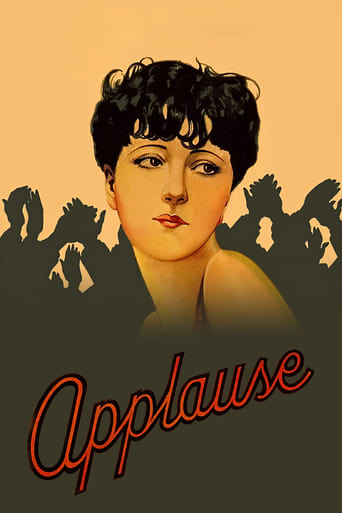
- Starred in 'Applause' (1929), one of the early sound film masterpieces
- Headlined at the Cotton Club in Harlem
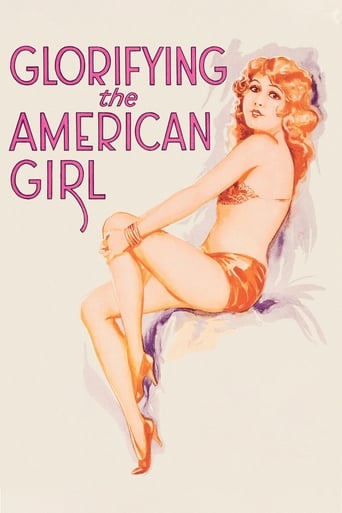
- Appeared in 'Glorifying the American Girl' (1929)
- Became one of the first crossover stars from stage to early sound film
- Reprised her 'Show Boat' role in the 1936 film version
- Subject of the biographical film 'The Helen Morgan Story' (1957)
Best Known For
Iconic Roles
Must-See Films
Accolades
Special Recognition
- Inducted into the American Theater Hall of Fame
- Subject of biographical film 'The Helen Morgan Story' (1957)
- Star on the Hollywood Walk of Fame for her contributions to motion pictures
Working Relationships
Worked Often With
Studios
Why They Matter
Impact on Culture
Helen Morgan played a pivotal role in the transition from silent films to sound pictures, demonstrating how musical talent could enhance dramatic storytelling in cinema. Her success in 'Applause' helped establish the viability of film musicals and proved that stage performers could successfully transition to the new medium of sound film. Morgan's distinctive torch singing style influenced generations of performers and helped establish the emotional depth that would become characteristic of American popular music. She broke new ground as one of the first crossover stars from Broadway to Hollywood, paving the way for future musical theater performers to find success in film. Her portrayal of complex, often tragic female characters challenged the simplistic gender roles common in early cinema, offering audiences more nuanced representations of women's experiences.
Lasting Legacy
Helen Morgan's legacy endures through her contributions to both musical theater and early sound cinema, particularly her role in establishing the film musical as a legitimate artistic genre. Her interpretation of Julie LaVerne in 'Show Boat' remains the definitive performance against which all subsequent portrayals are measured, and her recordings of songs from the show continue to be celebrated by musical theater enthusiasts. Morgan's life story has become a cautionary tale about the pressures of fame and the destructive potential of addiction, while her artistic achievements continue to inspire performers who seek to combine emotional authenticity with technical excellence. The 1957 biographical film 'The Helen Morgan Story,' starring Ann Blyth, introduced her legacy to new generations and cemented her status as an iconic figure of American entertainment history.
Who They Inspired
Morgan's influence can be seen in the work of later torch singers and dramatic performers who sought to combine musical and theatrical skills. Her naturalistic acting style in early sound films influenced the move away from theatrical mannerisms toward more realistic performances in cinema. Her success demonstrated the commercial viability of musical films, contributing to the development of the Hollywood musical as a major genre. Many subsequent performers, including Judy Garland and Barbra Streisand, have cited Morgan's ability to convey deep emotion through song as an inspiration for their own work. Her approach to portraying complex, troubled women helped expand the range of roles available to actresses in American film and theater.
Off Screen
Helen Morgan's personal life was marked by tumultuous relationships and ongoing struggles with alcoholism that ultimately overshadowed her professional achievements. She married photographer Maurice 'Buddy' Werner in 1933, but the marriage was troubled and short-lived, ending in divorce in 1937. Morgan had no children, and her romantic relationships were often intense but unstable, contributing to her emotional fragility. Her battle with alcoholism intensified throughout the 1930s, leading to numerous health problems and career setbacks. Despite attempts at rehabilitation, her health continued to decline, and she died of cirrhosis of the liver at the age of 41 in a Chicago hotel room. Her tragic life story became as legendary as her artistic contributions, symbolizing the dark side of fame during the Golden Age of Hollywood.
Education
Limited formal education; largely self-taught in music and performance, learning through practical experience in nightclubs and theaters
Family
- Maurice 'Buddy' Werner (1933-1937)
Did You Know?
- Was discovered by Florenz Ziegfeld while singing in a Chicago speakeasy
- Her signature song was 'Can't Help Lovin' Dat Man' from 'Show Boat'
- Was one of the first performers to successfully transition from Broadway to sound film
- Her voice was considered too 'low' and 'bluesy' for conventional recording standards of the time
- Performed regularly at the famous Cotton Club in Harlem during the 1920s
- Her film 'Applause' was one of the first early sound films to be critically acclaimed for its artistic merits
- Struggled with a severe alcohol addiction that ultimately led to her early death
- Was portrayed by Ann Blyth in the 1957 biographical film 'The Helen Morgan Story'
- Her recordings are now considered rare collector's items
- Was known for performing while sitting on top of a piano in nightclubs
In Their Own Words
I'd rather be a good singer than a great actress, but I'd rather be a great actress than a bad singer.
When I sing, I'm not performing - I'm living the song.
The stage is my home, but the songs are my children.
Every sad song has a happy memory behind it for me.
Fame is like a candle - it burns bright but it burns fast.
Frequently Asked Questions
Who was Helen Morgan?
What films is Helen Morgan best known for?
Titles linked here include Applause (1929), Glorifying the American Girl (1929).
When was Helen Morgan born and when did she die?
Born August 2, 1900; died October 9, 1941.
What awards did Helen Morgan win?
While Helen Morgan did not receive major formal awards during her lifetime, she has been posthumously honored with induction into the American Theater Hall of Fame and a star on the Hollywood Walk of Fame for her contributions to motion pictures.
What was Helen Morgan's acting style?
Morgan's acting style was deeply emotional and naturalistic, characterized by her ability to convey profound vulnerability and melancholy. She pioneered a realistic approach in early sound films, seamlessly integrating her distinctive torch singing voice with dramatic performance.
Why is Helen Morgan considered significant in film history?
Morgan is significant for her role in establishing the viability of film musicals during the transition from silent to sound pictures, and for demonstrating how stage performers could successfully adapt to cinema. Her performance in 'Applause' helped legitimize the musical film genre.
What was Helen Morgan's most famous role?
Her most famous role was Julie LaVerne in the Broadway production of 'Show Boat' (1927), which she originated and later reprised in the 1936 film version. Her rendition of 'Can't Help Lovin' Dat Man' became her signature performance.