


Applause
"A mother who wanted her daughter to have everything — except her life."
Keys: Space play/pause · ←/→ 10s · F fullscreen · M mute · </> speed
About this film
This early example of the "backstage" musical genre Kitty Darling, a fading burlesque star who tries to save her convent-educated daughter April from following in mom's footsteps. It was shot at Paramount's Astoria Studios in Astoria, New York during the early years of sound films. Applause is adapted from the 1928 novel by Beth Brown, a former chorus girl, about an aging burlesque queen who sacrifices herself for her daughter so that the latter can escape her mother's sordid fate. The film is notable as one of the earliest films of its time to break free from the restrictions of bulky sound t…
Cast & crew
More films like this
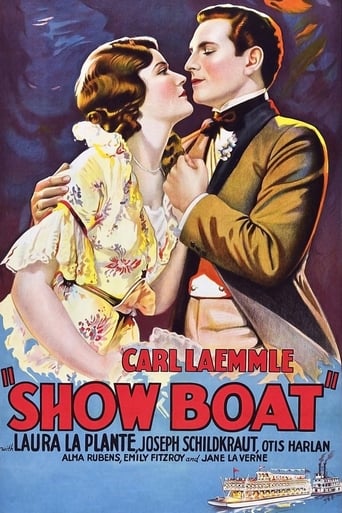
More Music films
View all →
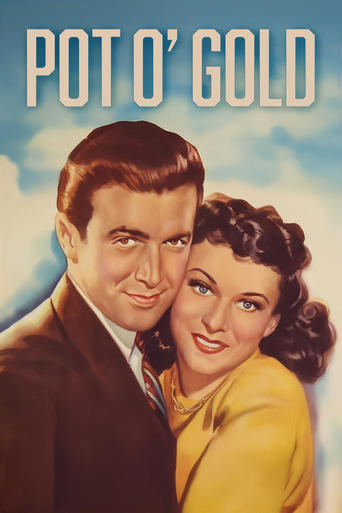
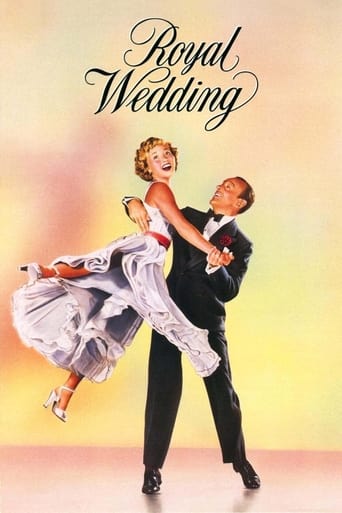
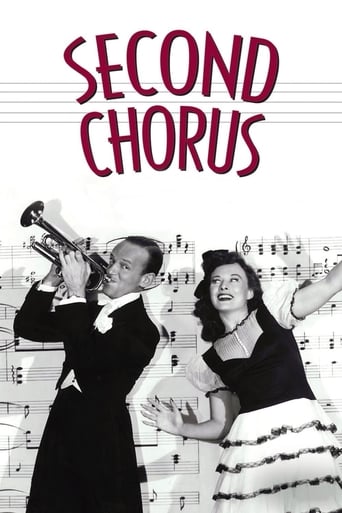
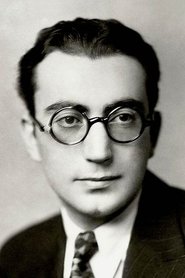
More from Rouben Mamoulian
View all →
More about this film
About the production
Release dateOctober 7, 1929
Budget$425,000
Box officeUnknown - but considered a moderate success
ProductionParamount Pictures
Filmed inAstoria Studios, Queens, New York
This was Rouben Mamoulian's directorial debut, and he insisted on complete creative control. The film was shot in an early sound-on-film process, allowing for more mobile camera work than typical early talkies. Mamoulian broke convention by using multiple microphones to capture sound from different angles, enabling more natural movement. The burlesque sequences were filmed with careful attention to period accuracy, and Helen Morgan performed all her own singing numbers live on set.
Themes
Mother-daughter relationshipsSacrifice and redemptionThe price of fameInnocence vs. experienceClass and social mobility
Themes & topics
burlesquebackstage musicalmother-daughter conflictshow businesssacrificeconvent educationsailorforbidden loveaging performerNew York City
Historical background
Silent-era production in 1929 relied on intertitles, live accompaniment, and studio systems that were rapidly consolidating into national industries. Archival sources describe Applause as american "talkie" by rouben mamoulian. Contemporary context can be traced through sources such as the Wikipedia article on Applause (1929 film).
Why this film matters
Applause remains part of the screen heritage of its era, offering evidence of prevailing genres, production methods, and audience tastes. Later revivals, archive screenings, and digitization have kept such titles accessible to researchers and dedicated viewers long after their first commercial runs.
Making of
The making of Applause was marked by significant technical and artistic innovation. Director Rouben Mamoulian, despite being a first-time filmmaker, demanded unprecedented creative control from Paramount. He insisted on using multiple microphones positioned throughout the set, allowing actors to move naturally rather than being confined to sound booths. This revolutionary approach enabled more dynamic cinematography, including tracking shots that followed characters through the burlesque theater. Helen Morgan, making her film debut, was initially nervous about the cameras but Mamoulian encouraged her to perform as she would on stage. The burlesque sequences were carefully choreographed to be suggestive rather than explicit, pushing the boundaries of what was acceptable in early sound cinema. The film's production team worked tirelessly to create authentic period details, from the costumes to the theater sets, ensuring the gritty realism of the backstage world.
What critics said
Trade and newspaper reviews from the silent period for Applause survive only in fragments, making precise reception history difficult to reconstruct. Modern assessment tends to emphasize historical value, craft, and cultural context rather than box-office performance.
Did you know?
- This was Rouben Mamoulian's directorial debut, and he was only 28 years old when he made it.
- Helen Morgan was a famous Broadway performer who had starred in the original stage production of 'Show Boat,' making this her film debut.
- The film was shot in just 29 days, an incredibly short schedule even for that era.
- Mamoulian used a moving camera crane for tracking shots, which was highly unusual for early sound films that typically kept cameras stationary due to sound recording limitations.
- The film was initially considered too risky by Paramount executives due to its adult themes and burlesque setting.
- Applause was one of the first films to use a fully integrated musical score rather than just having musical numbers interrupt the narrative.
- The original Broadway play on which the film was based was written by Beth Brown and opened in 1928.
- Despite being a sound film, Mamoulian included many silent film techniques, creating a unique hybrid style.
- The film's success helped establish Helen Morgan as a major film star, though her film career was relatively brief.
- Mamoulian's innovative use of sound and movement in this film directly influenced his later works like 'Dr. Jekyll and Mr. Hyde' (1931) and 'Queen Christina' (1933).
Awards & recognition
- Named one of the Ten Best Films of 1929 by The Film Daily
- Photoplay Medal of Honor winner for 1929
Visual style
The cinematography by George J. Folsey was revolutionary for its time. Mamoulian and Folsey employed a moving camera crane for tracking shots that followed characters through the theater and backstage areas - a technique virtually unheard of in early sound films due to technical limitations. They used dramatic lighting to contrast the glitter of the stage with the gritty reality of the dressing rooms and backstage corridors. The film features innovative low-angle shots that emphasize the theatrical setting and create a sense of both grandeur and confinement. The cinematography also incorporates expressionistic lighting techniques from German cinema, particularly in the more dramatic scenes. The camera work during musical numbers is particularly noteworthy, moving with the performers rather than remaining static as in most early musicals. This dynamic visual style helped establish the film's emotional intensity and theatrical atmosphere.
Innovations
Applause pioneered numerous technical innovations that would become standard in sound cinema. Mamoulian's use of multiple microphones allowed for unprecedented camera mobility in a sound film, breaking free from the static camera positions that plagued most early talkies. The film employed early forms of dubbing and post-synchronization to improve sound quality. The lighting techniques were adapted for the requirements of sound filming, with quieter, more efficient lighting equipment developed specifically for this production. The film's editing style was also innovative, using rhythmic cuts and transitions that matched the musical numbers. The sound mixing techniques developed during production influenced how Hollywood would approach sound recording in musical films. The film demonstrated that sound technology could enhance rather than restrict cinematic artistry, helping to overcome the initial resistance to talkies among many filmmakers and critics.
Music
The musical score for Applause was composed by John Leipold, with additional songs by various composers including 'What Wouldn't I Do for That Man?' performed by Helen Morgan. The film's soundtrack was groundbreaking for its time, featuring a continuous musical score rather than the typical disconnected musical numbers of early talkies. The sound design included diegetic music from the burlesque performances, diegetic ambient sounds of the theater, and a non-diegetic orchestral score that underscored the dramatic scenes. Helen Morgan's songs were recorded live on set, capturing her distinctive, emotional vocal style. The sound quality was notably superior to many contemporary films, thanks to Mamoulian's insistence on using multiple microphones and careful sound mixing. The soundtrack helped establish the emotional tone of the film and demonstrated how music could be integrated into dramatic storytelling.
Famous quotes
Applause is the food of love to some people.
You can't escape what you are, no matter how far you run.
In this business, you're only as good as your last show.
A mother's love is the only love that doesn't ask for applause.
Memorable scenes
- The opening sequence showing Kitty Darling's burlesque performance, with the camera moving through the audience and backstage, establishing the contrast between public performance and private reality.
- The emotional reunion scene between Kitty and April at the train station, showcasing Helen Morgan's powerful performance as a mother trying to hide her profession from her daughter.
- The heartbreaking scene where Kitty watches April's innocence being threatened by the show business world she tried to protect her from.
- The final confrontation scene in the theater dressing room, where Kitty must choose between her career and her daughter's future.
What audiences thought
Audiences in 1929 responded positively to Applause, particularly drawn to Helen Morgan's emotional performance and the film's realistic portrayal of show business. The film's success was especially notable given that many early talkies were disappointing to audiences accustomed to the visual sophistication of late silent films. Viewers appreciated the film's adult themes and emotional depth, which set it apart from the more frivolous musical comedies of the era. The burlesque sequences, while tastefully done, provided the kind of spectacle audiences expected from musical entertainment. The mother-daughter relationship at the film's core resonated strongly with viewers, many of whom were facing their own economic and family challenges during the early Depression. The film's moderate box office success helped establish Helen Morgan as a bankable star and proved that audiences would accept more serious, dramatic content in musical films.
Film connections
Influenced by
- German Expressionist cinema (for lighting and visual style)
- Stage melodrama traditions
- American burlesque theater
- Silent film acting techniques
- Broadway musical conventions
This film influenced
- 42nd Street (1933)
- Gold Diggers of 1933
- A Star Is Born (1937)
- Stage Door (1937)
- All About Eve (1950)
- Cabaret (1972)
- Chicago (2002)
Film restoration
Applause has been preserved by the Library of Congress and was selected for the National Film Registry in 2006 for its cultural, historical, and aesthetic significance. The film underwent a major restoration by the UCLA Film and Television Archive in the 1990s, which preserved both the visual and audio elements. A restored version was released on DVD by The Criterion Collection, ensuring its availability for future generations. While some elements of the original soundtrack show signs of deterioration, the restoration work has maintained the film's artistic integrity.
Where to watch
- The Criterion Collection (Blu-ray/DVD)
- The Criterion Channel (streaming)
- FilmStruck (archived streaming service)
- Museum of Modern Art film screenings
- UCLA Film & Television Archive screenings
- Various film festival retrospectives