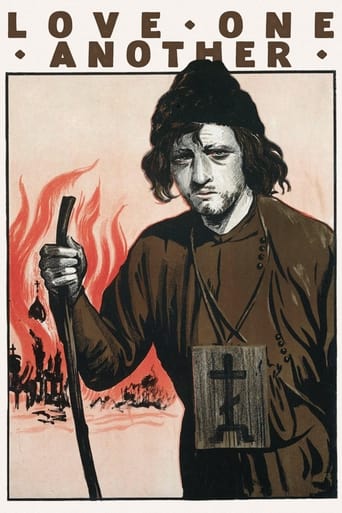
Richard Boleslawski
Actor & Director
Born: February 4, 1889 in Warsaw, Poland (then Russian Empire) Died: January 17, 1937 Active: 1914-1937 Birth Name: Ryszard Bolesławski
Films
3 films
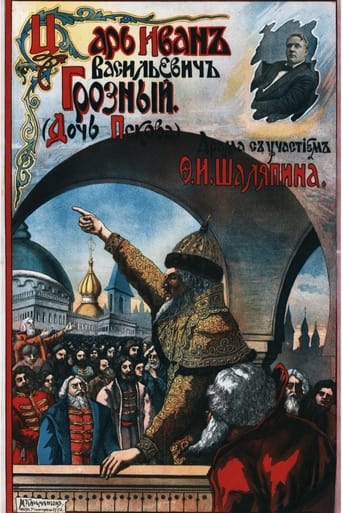
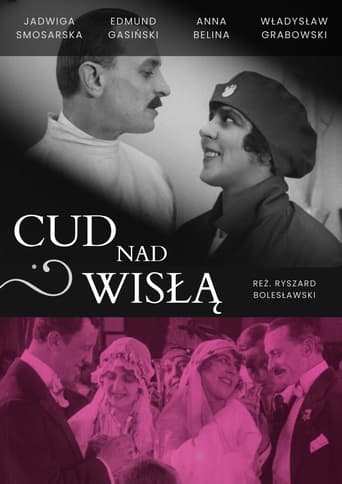
About Richard Boleslawski
Richard Boleslawski (born Ryszard Bolesławski) was a Polish actor, director, and acting teacher who made significant contributions to both European and American cinema. Born in Poland when it was part of the Russian Empire, he began his career as an actor in Moscow's Moscow Art Theatre under the direction of Constantin Stanislavski, where he absorbed the revolutionary acting techniques that would later influence generations of performers. During World War I, he fought in the Polish army and was captured, spending time in a Russian prison camp before escaping. After the Russian Revolution, he worked briefly in the burgeoning Soviet film industry before fleeing to Paris and eventually immigrating to the United States in the 1920s. In America, he established the Laboratory Theatre in New York, where he taught Stanislavski's system to future Hollywood stars including Lee Strasberg, Stella Adler, and Harold Clurman. Transitioning to directing in Hollywood, he became known for his sophisticated visual style and ability to elicit powerful performances from actors, directing notable films throughout the 1930s. His career was tragically cut short when he died in a car accident at age 48, but his influence on acting technique and film direction continues to resonate through the generations of performers and directors he inspired.
The Craft
On Screen
Trained in the Stanislavski system, Boleslawski emphasized psychological realism, emotional authenticity, and the importance of internal motivation. His approach combined rigorous technical discipline with spontaneous emotional expression, focusing on creating truthful behavior under imaginary circumstances.
Behind the Camera
Known for his sophisticated visual compositions and emphasis on character-driven storytelling. Boleslawski brought European artistic sensibilities to Hollywood, combining technical precision with deep psychological insight into his characters. He was particularly skilled at eliciting nuanced performances from actors.
Milestones
- Early acting career at Moscow Art Theatre under Stanislavski
- Director of early Soviet films in the 1920s
- Founded Laboratory Theatre in New York (1923-1930)
- Published influential acting book 'Acting: The First Six Lessons' (1933)
- Directed acclaimed Hollywood films including 'Les Misérables' (1935) and 'The Garden of Allah' (1936)
Best Known For
Iconic Roles
Must-See Films
Accolades
Won
- Venice Film Festival Volpi Cup for Best Actor (collective award for 'Les Misérables' cast, 1935)
Nominated
- Academy Award nomination for Best Art Direction for 'The Garden of Allah' (1936)
Special Recognition
- Polish Film Institute recognition for contributions to cinema
- Moscow Art Theatre Hall of Fame induction
Working Relationships
Worked Often With
Studios
Why They Matter
Impact on Culture
Boleslawski played a crucial role in introducing Stanislavski's acting techniques to America, fundamentally transforming American acting and directing. His Laboratory Theatre in New York became the incubator for what would become the Group Theatre and eventually influenced the Actors Studio. His book 'Acting: The First Six Lessons' became a foundational text for generations of actors, democratizing access to professional acting training. As a director in Hollywood, he helped bridge the gap between European artistic cinema and American commercial filmmaking, bringing psychological depth and visual sophistication to mainstream productions.
Lasting Legacy
Richard Boleslawski's legacy endures through his profound influence on American acting technique and his contributions to cinematic art. His teachings formed the foundation of what would become known as 'Method acting' in America, influencing countless performers including Marlon Brando, Al Pacino, and Robert De Niro. His films continue to be studied for their visual artistry and psychological depth. The Laboratory Theatre he founded directly led to the creation of the Group Theatre, which revolutionized American theater and film acting. His written works remain essential reading for drama students worldwide.
Who They Inspired
Boleslawski's influence extends far beyond his own films. He was instrumental in adapting and transmitting Stanislavski's system to American actors, creating a distinctly American approach to realistic performance. His students went on to become some of the most influential acting teachers and performers of the 20th century. His directorial techniques influenced Hollywood's approach to character development and visual storytelling. The emphasis on psychological truth and emotional authenticity that he championed became hallmarks of mid-20th century American cinema.
Off Screen
Boleslawski had a colorful personal life marked by his artistic passions and international experiences. He married three times, including to actress Norma Drew, with whom he had a son. His life was characterized by constant movement and adaptation, from his early days in Poland through his time in Russia, Paris, and finally Hollywood. He was known for his intense dedication to his craft and his charismatic teaching style that attracted many aspiring actors.
Education
Studied at Moscow Art Theatre under Constantin Stanislavski, Formal education in Poland before moving to Moscow
Family
- Olga Knipper (first marriage)
- Vera Karalli (second marriage)
- Norma Drew (third marriage, 1932-1937)
Did You Know?
- Was one of the first teachers to bring Stanislavski's system to America
- Spoke multiple languages fluently: Polish, Russian, French, and English
- Served in the Polish Legion during World War I
- Was imprisoned in a Russian POW camp during WWI before escaping
- His acting book 'Acting: The First Six Lessons' is still in print today
- Died in a car accident on Highway 101 near Ventura, California
- Was a cavalry officer in the Polish army before focusing on theater
- His Laboratory Theatre in New York operated from 1923-1930
- Directed both silent films and early talkies
- Was friends with many influential European artists and intellectuals
In Their Own Words
Acting is not about being someone different. It's finding the similarity in what is apparently different, then finding myself in there.
The actor must have in his blood, nerves, and brain the capacity to create the illusion of reality.
Talent is a gift, but character is a choice.
The greatest actors are not those who can cry on cue, but those who can make the audience cry with them.
In acting, as in life, truth is not only stranger than fiction, it's more interesting.
Frequently Asked Questions
Who was Richard Boleslawski?
Polish-born actor, on YTB.my. He founded the Laboratory Theatre in New York and later became a respected Hollywood director in the 1930s before his untimely death in 1937.
What films is Richard Boleslawski best known for?
Titles linked here include Les Misérables (1935), The Garden of Allah (1936).
When was Richard Boleslawski born and when did he die?
Born February 4, 1889; died January 17, 1937.
What awards did Richard Boleslawski win?
While he didn't receive many personal awards during his lifetime, his film 'Les Misérables' won the Volpi Cup for Best Actor (collective award) at the Venice Film Festival in 1935, and 'The Garden of Allah' received an Academy Award nomination for Best Art Direction in 1936.
What was Richard Boleslawski's acting/directing style?
Boleslawski's approach was deeply influenced by Stanislavski's system, emphasizing psychological realism, emotional authenticity, and internal motivation. As a director, he combined European artistic sensibilities with Hollywood storytelling, focusing on character-driven narratives and sophisticated visual compositions.
How did Richard Boleslawski influence American acting?
Boleslawski was instrumental in introducing Stanislavski's techniques to America through his Laboratory Theatre and influential book 'Acting: The First Six Lessons.' His students, including Lee Strasberg and Stella Adler, went on to found the Group Theatre and influence generations of actors through what became known as Method acting.
What was Richard Boleslawski's connection to the Moscow Art Theatre?
Boleslawski studied and performed at the legendary Moscow Art Theatre under the direct guidance of Constantin Stanislavski. This experience formed the foundation of his understanding of realistic acting and his later teaching methods that he brought to America.