Films
2 films
About Ploetz
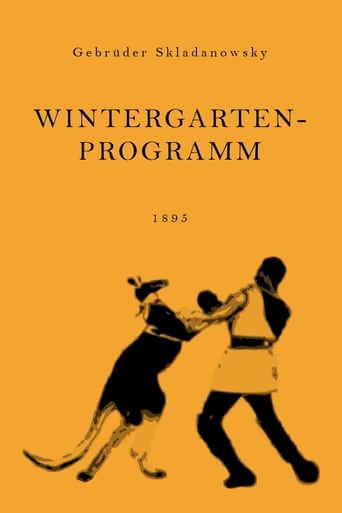
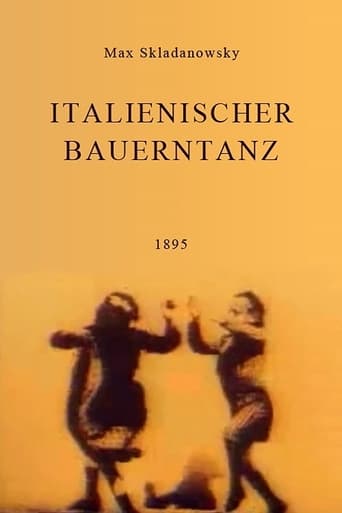
Max Ploetz — German actor who performed in some of the earliest motion pictures ever created. He was part of the Wintergartenprogramm, which was presented by the Skladanowsky brothers at Berlin's Wintergarten theater on November 1, 1895, marking one of the first commercial film exhibitions in history. Ploetz appeared in 'Italienischer Bauerntanz' (Italian Peasant Dance), one of the short films included in this historic program that showcased the new medium of cinema to paying audiences. His performances helped establish the foundation for German cinema during its infancy, though his career was extremely brief, limited to the year 1895. As one of the first film actors, Ploetz contributed to the birth of motion pictures as both an art form and entertainment medium. His work represents the very beginning of the actor's role in cinema, predating the establishment of film acting techniques and star systems.
The Craft
On Screen
As one of the earliest film actors, Ploetz's style reflected theatrical traditions of the late 19th century, likely emphasizing exaggerated gestures and expressions suitable for the silent medium and early camera technology
Milestones
- Appeared in the historic Wintergartenprogramm (1895)
- Performed in 'Italienischer Bauerntanz' (1895)
- Participated in one of the first commercial film exhibitions
- Contributed to the birth of German cinema
Best Known For
Iconic Roles
Must-See Films
Working Relationships
Worked Often With
Studios
Why They Matter
Impact on Culture
Max Ploetz holds a significant place in film history as one of the very first actors to appear in motion pictures. His participation in the Wintergartenprogramm marked a crucial moment in the development of cinema as a commercial art form. The program, presented by the Skladanowsky brothers, was among the first film exhibitions shown to paying audiences, predating the Lumière brothers' famous Paris screening by nearly two months. Ploetz and his fellow performers were essentially the first generation of film actors, helping establish the very concept of screen performance and paving the way for all future cinema actors.
Lasting Legacy
Max Ploetz's legacy is that of a pioneer who stood at the dawn of cinema history. While his name may be unfamiliar to modern audiences, his contribution to the birth of film is immeasurable. He represents the beginning of the actor's journey from stage to screen, a transformation that would define 20th-century entertainment. His work in the Wintergartenprogramm helped demonstrate the commercial viability of motion pictures, influencing the rapid development of the film industry in Germany and worldwide.
Who They Inspired
As one of the earliest film performers, Ploetz influenced the very concept of screen acting. His work helped establish that theatrical performance could translate to the new medium of film, though the techniques would evolve dramatically in the following decades. He and his contemporaries set the precedent for future generations of actors who would make the transition from stage to screen, ultimately creating entirely new performance styles specific to cinema.
Off Screen
Very little is known about Max Ploetz's personal life, as records from the earliest days of cinema are scarce and many performers from this period remain historical mysteries.
Did You Know?
- Appeared in one of the first commercial film exhibitions in history
- The Wintergartenprogramm predated the famous Lumière brothers screening in Paris
- His films were created using the Bioscop projector invented by the Skladanowsky brothers
- Only worked in cinema during the year 1895, making him one of the briefest careers in film history
- His performances were captured on 68mm film, an unusually large format for the time
- The Wintergarten theater where he performed still exists in Berlin today
- His films were among the first to use intermittent motion projection
- The Skladanowsky brothers' technology was quickly overshadowed by other systems, making Ploetz's work historically significant but technically obsolete
Frequently Asked Questions
Who was Max Ploetz?
Ploetz — credits here include Wintergartenprogramm (1895), Italienischer Bauerntanz (1895). Active 1895.
What films is Max Ploetz best known for?
Titles linked here include Wintergartenprogramm (1895), Italienischer Bauerntanz (1895).
When was Max Ploetz active in cinema?
Max Ploetz was only active in cinema during the year 1895, making his career extremely brief but historically significant as it occurred at the very birth of motion pictures.
What was the Wintergartenprogramm?
The Wintergartenprogramm was a historic film exhibition presented by the Skladanowsky brothers at Berlin's Wintergarten theater on November 1, 1895, featuring several short films including Ploetz's performance and marking one of the first commercial cinema presentations.
Why is Max Ploetz significant in film history?
Ploetz is significant because he was one of the very first actors to appear in motion pictures, helping establish the foundation of screen acting and contributing to the birth of cinema as both an art form and commercial entertainment medium.