Films
2 films
About Larella
Performer in the earliest days of cinema, appearing in two of the first films ever made in 1895. She was likely a stage performer or dancer who was captured on film during the birth of the motion picture industry. Her appearances in 'Wintergartenprogramm' and 'Italienischer Bauerntanz' place her among the very first actors to be recorded on film, participating in the exhibitions that introduced moving pictures to audiences. These films were part of the earliest screenings at Berlin's Wintergarten theater, one of the first venues to showcase cinema to the public. Like many performers of this era, Larella would have transitioned from stage performance to this new medium of film. Her career in motion pictures appears to have been limited to these two 1895 productions, making her a brief but significant figure in cinema's infancy. Little detailed documentation survives about performers from this foundational period of film history.
The Craft
On Screen
As a performer in 1895, Larella would have employed theatrical, exaggerated gestures typical of stage performance adapted for the silent medium. Early film acting required broad physical movements and expressive body language to convey emotion and narrative without sound. Her performance style would have been influenced by variety theater and stage traditions of the late 19th century.
Milestones
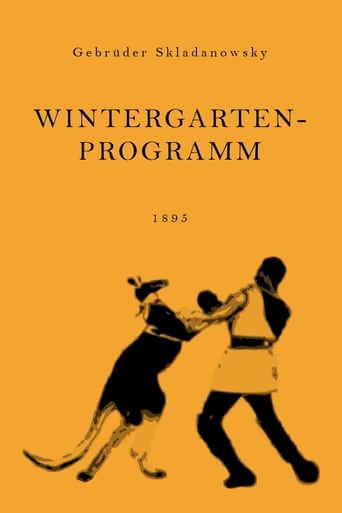
- Appeared in 'Wintergartenprogramm' (1895), one of the first film programs ever shown to audiences
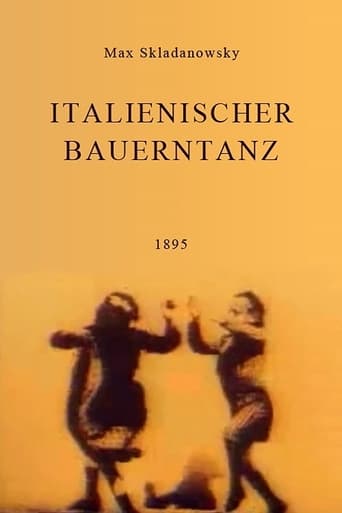
- Performed in 'Italienischer Bauerntanz' (1895), among the earliest dance films
- Participated in the birth of cinema at Berlin's Wintergarten theater
Best Known For
Iconic Roles
Must-See Films
Why They Matter
Impact on Culture
Larella represents the generation of performers who helped establish cinema as a new art form. Her participation in the earliest film exhibitions at Berlin's Wintergarten theater places her at the very beginning of film history. These early performers were instrumental in demonstrating the potential of moving pictures as entertainment and art, paving the way for the film industry that would follow. Though her individual contribution may seem small, she was part of the foundational moment when cinema transitioned from technological curiosity to popular entertainment.
Lasting Legacy
Larella's legacy lies in her status as one of the first film performers in history. While detailed information about her life and career has been lost to time, her appearances in two of the earliest films ever made ensure her place in cinema's founding narrative. She represents the countless anonymous performers who participated in cinema's birth, helping establish the medium that would become the dominant art form of the 20th century. Her work survives as proof of the very beginning of film performance.
Who They Inspired
As an extremely early performer, Larella's direct influence on later actors is difficult to trace, but she was part of the generation that established basic film performance techniques. The exaggerated gestures and theatrical style employed by early performers like Larella would evolve into more naturalistic acting as cinema matured. These performers demonstrated that human movement and expression could be captured and projected, establishing the fundamental possibilities of film acting.
Off Screen
Very little is known about Larella's personal life, which is typical for performers from the earliest days of cinema. Like many early film actors, she was likely a stage performer who made the transition to this new medium. Documentation about performers from 1895 is extremely limited, as cinema was still in its experimental phase and performers were not yet the celebrities they would later become.
Did You Know?
- Larella appeared in films during the very first year of commercial cinema (1895)
- Her film 'Wintergartenprogramm' was part of one of the first public film screenings in history
- She performed in 'Italienischer Bauerntanz' (Italian Peasant Dance), one of the earliest dance films
- Her active years covered only one year, typical of many early film performers
- She worked before the concept of film stars or celebrity actors existed
- Her performances were likely captured on short film strips lasting only seconds or minutes
- She was part of the transition from stage variety shows to motion pictures
- Like many early performers, she probably used a stage name rather than her birth name
Frequently Asked Questions
Who was Larella?
Screen credits include two of the earliest films ever made in 1895. She performed in 'Wintergartenprogramm' and 'Italienischer Bauerntanz' during the birth of cinema, making her one of the first film performers in history. Little is known about her beyond these two groundbreaking film appearances.
What films is Larella best known for?
Titles linked here include Wintergartenprogramm (1895), Italienischer Bauerntanz (1895).
When was Larella born and when did she die?
Unfortunately, Larella's birth and death dates are unknown, which is typical for performers from the very earliest days of cinema in 1895. Detailed biographical information about most film actors from this period has been lost to history.
What awards did Larella win?
Larella did not receive any awards, as film awards and honors did not exist in 1895. The first Academy Awards would not be established until 1929, more than three decades after her film appearances.
What was Larella's acting style?
Larella's acting style would have been theatrical and exaggerated, typical of stage performers transitioning to the new medium of film. Early cinema required broad physical gestures and expressive body language to convey emotion without sound, influenced by 19th-century stage and variety theater traditions.