Dagmar Ebbesen
Actor
- Active
- 1916-1917
Films 2
About Dagmar Ebbesen
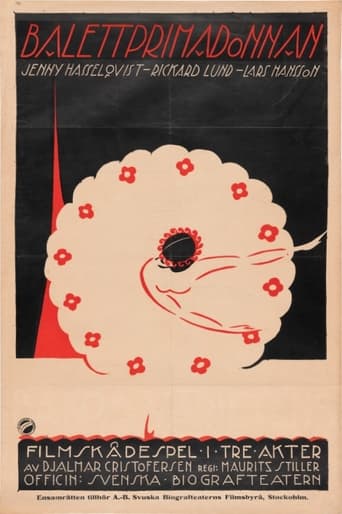
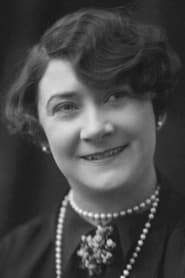
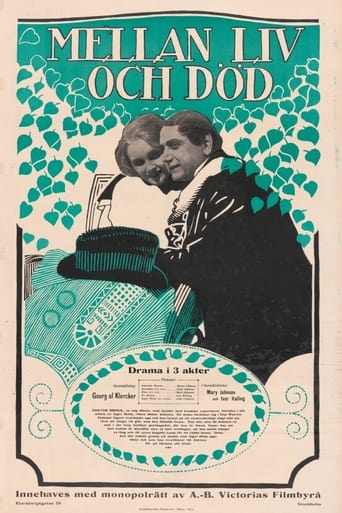
Dagmar Ebbesen was a Swedish actress of the silent era who appeared in a small number of films during the 1910s, including The Ballet’s Prima-donna (1916) and Between Life and Death (1917). Because her screen career is documented only briefly in surviving film references, much of her broader life story is not easily recoverable from standard English-language sources. She is part of the generation of Scandinavian performers who worked in the formative years of Swedish cinema, when the national film industry was developing its artistic identity and many performers moved between stage and screen. Her known film activity falls within 1916-1917, suggesting that her cinematic career was limited or that later records have not survived clearly. At present, she is best understood as a minor but documented participant in early Swedish silent film history rather than as a major star. Detailed information about her later life, stage work, family background, and complete filmography is not reliably available from widely accessible reference sources. Her presence in these films nonetheless places her within an important transitional period in Nordic cinema, when acting styles were becoming more naturalistic and film production was expanding rapidly.
More about Dagmar Ebbesen
On screen
Specific descriptions of Dagmar Ebbesen's acting technique are not preserved in readily available sources. As a performer in silent-era Scandinavian cinema, her screen work would have relied on expressive facial expression, physical gesture, and controlled movement rather than spoken dialogue. Any further characterization of her personal style would be speculative without surviving reviews, production notes, or film analysis tied directly to her performances.
In film history
Dagmar Ebbesen's cultural impact lies primarily in her inclusion among the early screen performers of Swedish cinema rather than in celebrity on the level of the era's major Scandinavian film figures. Her known work belongs to a period when Sweden was establishing itself as one of Europe’s most artistically respected silent-film centers, and even lesser-documented actors contributed to that development. Performers like Ebbesen helped populate the productions that built the industry’s professional acting pool, supporting the growth of a national cinema that would soon achieve international recognition. While there is no evidence of broad popular fame or lasting stardom, her participation in these early films makes her part of the historical fabric of silent-era film production.
Later reputation
Dagmar Ebbesen’s legacy is primarily archival and historical: she survives in film records as one of the many actors who appeared in the Swedish silent cinema of the 1910s. Her name helps researchers reconstruct cast lists, production histories, and the wider network of performers active during the early years of Scandinavian film. Even when a performer’s life is sparsely documented, inclusion in surviving filmographies is significant because it preserves evidence of the labor and artistry behind early cinema. Her legacy therefore rests in the historical record of silent Swedish filmmaking and in the continued interest of film historians in recovering overlooked performers.
Influence
No direct evidence survives to show that Dagmar Ebbesen influenced other actors or directors in a documented, personal sense. Her influence is best understood indirectly, through her participation in the early Swedish screen environment that helped shape acting norms for later performers. As with many lesser-known silent-era actors, her contribution was part of the collective development of a national style rather than a singularly identifiable artistic school. Her name endures as part of the broader lineage of early Scandinavian cinema professionals.
Off screen
Reliable biographical information about Dagmar Ebbesen's personal life is not readily available in standard film reference sources. No verified details concerning marriages, children, education, or family background could be confirmed from the information presently accessible. Because she appears to have had a very brief documented screen career, surviving records may be sparse or incomplete. Any further claims about her private life would require archival research in Swedish civil records, theater histories, or contemporary press.
Credits
- Appeared in the silent film The Ballet’s Prima-donna (1916)
- Appeared in the silent film Between Life and Death (1917)
- Worked during the formative years of Swedish silent cinema
- Represents one of the documented screen performers active in Sweden during World War I-era film production
Roles
- Performance in The Ballet’s Prima-donna (1916)
- Performance in Between Life and Death (1917)
Films
- The Ballet’s Prima-donna (1916)
- Between Life and Death (1917)
Notes
- Dagmar Ebbesen is documented as a silent-era Swedish actress.
- Her known screen activity is concentrated in just two years: 1916 and 1917.
- She appeared in The Ballet’s Prima-donna, a 1916 silent film.
- She appeared in Between Life and Death, a 1917 silent film.
- Her biography is comparatively obscure, which is common for many early film performers whose careers were short or poorly documented.
- She is associated with the early decades of Swedish cinema, a period that produced internationally admired silent films.
- Available reference sources do not clearly preserve details of her birth, death, or family life.
- She is an example of the many supporting or lesser-known actors whose work remains important to film historiography even when star-level fame is absent.
Questions
Who was Dagmar Ebbesen?
Dagmar Ebbesen was a Swedish silent-film actress active in the mid-1910s. She is documented for appearances in The Ballet’s Prima-donna (1916) and Between Life and Death (1917), placing her within the early development of Swedish cinema.
What films is Dagmar Ebbesen best known for?
She is best known for The Ballet’s Prima-donna (1916) and Between Life and Death (1917). These are the key surviving film credits associated with her name in standard film references.
When was Dagmar Ebbesen born and when did she die?
Her birth and death dates are not readily available in the sources used for mainstream film reference. At present, those details should be treated as unknown unless confirmed by archival Swedish records.
What awards did Dagmar Ebbesen win?
No awards or formal honors are currently documented for Dagmar Ebbesen in widely accessible reference sources. This is not unusual for a lesser-documented silent-era performer whose career may have been brief and whose records have not been fully preserved.
What was Dagmar Ebbesen's acting style?
No specific written descriptions of her acting style have been preserved in the sources currently available. As a silent-film actress, her performances would have depended on physical expressiveness, gesture, and visual presence rather than spoken dialogue.
What is Dagmar Ebbesen's legacy in film history?
Her legacy is primarily historical and archival, as part of the roster of actors who worked in early Swedish silent cinema. Even with limited surviving biographical detail, her credited appearances help preserve the production history of the period.