

Robert Bolder
Actor
Born: July 15, 1879 in London, England Died: December 10, 1957 Active: 1915-1932
Films
5 films
About Robert Bolder
English character actor who found considerable success in American silent cinema during the 1910s and 1920s. Born in London in 1879, Bolder began his acting career on the stage before transitioning to films in the mid-1910s. His commanding presence and aristocratic bearing made him particularly well-suited for roles as judges, doctors, bankers, and other authority figures in silent films. He worked prolifically, appearing in over 100 films during his career and collaborating with many of the era's biggest stars, including Charlie Chaplin, Rudolph Valentino, and Gloria Swanson. Bolder was particularly adept at conveying complex emotions through subtle facial expressions and gestures, a crucial skill in the silent era. His the entire silent period, and he successfully made the transition to early sound films before retiring from acting in the early 1930s. He spent his final years in Los Angeles, where he passed away in 1957, leaving behind a substantial body of work that exemplifies the art of silent film character acting.
The Craft
On Screen
Robert Bolder was known for his dignified and authoritative acting style, perfectly suited for the silent era's emphasis on visual storytelling. He possessed a remarkable ability to convey complex emotions and social status through subtle facial expressions, posture, and gestures. His performances were characterized by a natural gravitas and refinement, making him ideal for roles as judges, aristocrats, doctors, and other figures of authority. Bolder's technique emphasized restraint and precision, avoiding the exaggerated melodrama common in many silent film performances. His stage background provided him with a strong foundation in classical acting techniques, which he adapted effectively for the camera.
Milestones
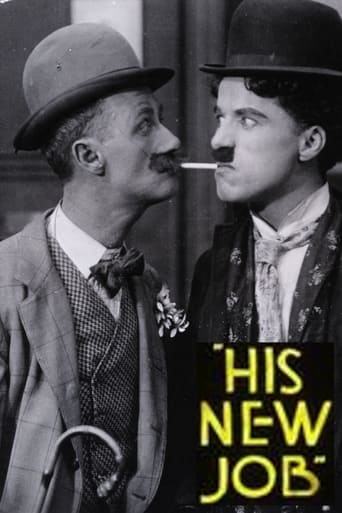
- Appeared in Charlie Chaplin's 'His New Job' (1915)
- Co-starred with Rudolph Valentino and Gloria Swanson in 'Beyond the Rocks' (1922)
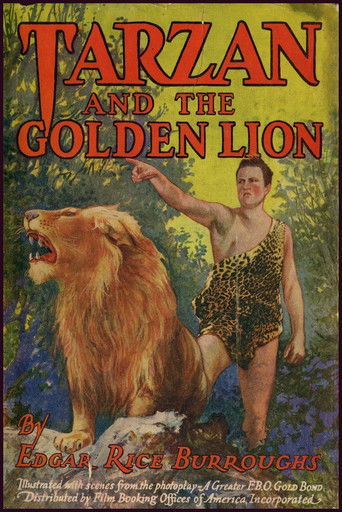
- Played significant role in 'Tarzan and the Golden Lion' (1927)
- Appeared in over 100 films during his career
- Successfully transitioned from silent films to early talkies
- Worked with major studios including Paramount, MGM, and Fox
Best Known For
Iconic Roles
Must-See Films
Working Relationships
Worked Often With
Studios
Why They Matter
Impact on Culture
Robert Bolder contributed significantly to the golden age of silent cinema by providing essential character support to the era's biggest stars. His ability to embody authority and respectability helped establish the social hierarchies and dramatic tensions central to many silent film narratives. As a British actor in Hollywood, he was part of the wave of European talent that elevated the artistic quality of American cinema during the 1920s. His work in major productions like 'The Ten Commandments' and 'Beyond the Rocks' demonstrated the international scope of silent film production and the global nature of early Hollywood stardom.
Lasting Legacy
Robert Bolder's legacy lies in his substantial body of work that exemplifies the craft of silent film character acting. While never a leading man, his performances provided the essential foundation upon which many classic silent films were built. His filmography serves as a valuable record of the types of supporting roles that were crucial to silent cinema's storytelling methods. Modern film historians and silent film enthusiasts continue to appreciate his contributions, particularly his ability to convey complex character traits without dialogue. His successful career arc from stage to silent film to early talkies represents the journey of many versatile actors of his generation.
Who They Inspired
Robert Bolder influenced subsequent generations of character actors through his demonstration of how supporting roles could be elevated through careful, nuanced performances. His work showed that authority figures in film need not be one-dimensional, and that subtle characterization could enhance even the smallest roles. His transition from British theater to American cinema paved the way for other classically trained British actors to find success in Hollywood. His ability to adapt his stage training for the camera provided a model for other theater actors making the transition to film during the silent era.
Off Screen
Private individual who maintained a relatively low public profile despite his extensive film career. He married actress and fellow British expatriate Evelyn Bolder, and the couple remained together throughout his Hollywood years. Bolder was known among his colleagues as a consummate professional who brought his theatrical discipline to every film set. After retiring from acting, he lived quietly in Los Angeles, occasionally attending film retrospectives and gatherings of silent film veterans. His dedication to his craft and his adaptability during the transition to sound films earned him respect within the industry.
Education
Trained in classical theater in London before transitioning to film
Family
- Evelyn Bolder (married 1910s-1957)
Did You Know?
- Appeared in over 100 films during his 17-year career
- Was one of the few British actors to maintain steady work in Hollywood throughout the silent era
- His aristocratic bearing often led to typecasting as judges and authority figures
- Worked with Charlie Chaplin in one of Chaplin's earliest American films
- Successfully made the transition to sound films, unlike many silent era actors
- Was a member of the original Motion Picture Relief Fund
- His final film appearance was in 1932, after which he retired from acting
- Maintained his British accent throughout his American film career
- Often played characters much older than his actual age
- Was known for his punctuality and professionalism on film sets
Frequently Asked Questions
Who was Robert Bolder?
British character with credits in this catalog.
What films is Robert Bolder best known for?
Titles linked here include His New Job (1915), Beyond the Rocks (1922).
When was Robert Bolder born and when did he die?
Born July 15, 1879; died December 10, 1957.
What awards did Robert Bolder win?
Robert Bolder did not receive major formal awards during his career, as was common for character actors in the silent era, though he was highly respected within the industry.
What was Robert Bolder's acting style?
Bolder was known for his dignified and authoritative acting style, using subtle facial expressions and gestures to convey complex emotions, avoiding the exaggerated melodrama common in silent films.
Did Robert Bolder transition to sound films?
Yes, Robert Bolder successfully made the transition from silent films to early talkies, appearing in sound films until his retirement in 1932.
What types of roles did Robert Bolder typically play?
Bolder was typically cast as authority figures including judges, doctors, bankers, aristocrats, and other respectable gentlemen due to his appearance and commanding presence.
How many films did Robert Bolder appear in?
Robert Bolder appeared in over 100 films during his career spanning from 1915 to 1932, making him one of the more prolific character actors of the silent era.