
Films
2 films
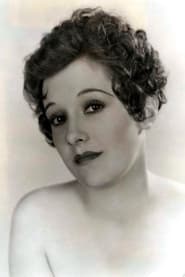
About Phyllis Crane
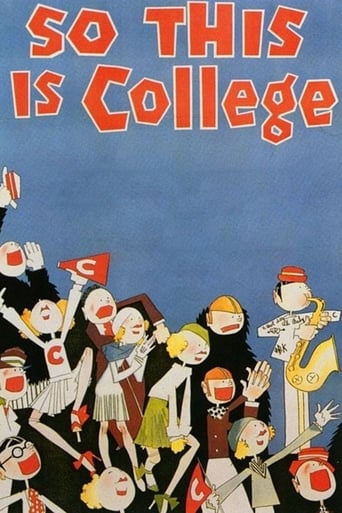
American actress who briefly appeared in Hollywood during the pivotal transition from silent films to talkies in 1929. Her known film career was exceptionally brief, with documented appearances in only two films during this transformative year in cinema history. Phyllis appears in 'Coquette' (1929), which was notable as Mary Pickford's first talking film and earned Pickford an Academy Award for Best Actress. Her second confirmed appearance was in the college comedy 'So This Is College' (1929), which was one of MGM's early sound productions. Given the limited documentation of her career, it appears that Phyllis Crane may have been one of many aspiring actresses who attempted to break into Hollywood during this chaotic period of technological change but did not achieve lasting success. The lack of extensive biographical records suggests she either left the entertainment industry quickly or possibly worked under different names in other capacities. Her brief appearance in film history represents the countless performers who passed through Hollywood during its early sound era but left little trace beyond their credited appearances.
The Craft
Milestones
- Appeared in Mary Pickford's first talking film 'Coquette' (1929)
- Featured in MGM's early sound comedy 'So This Is College' (1929)
Best Known For
Must-See Films
Working Relationships
Studios
Why They Matter
Impact on Culture
Phyllis Crane's cultural impact is minimal due to her extremely brief film career, though she participated in two historically significant films from the transition to sound. Her appearance in 'Coquette' places her within the context of Mary Pickford's career transformation from silent film star to sound actress, a pivotal moment in Hollywood history. The film itself was significant as one of the early successful talkies and demonstrated how established silent film stars could adapt to the new medium. Her work in 'So This Is College' represents the early development of the sound comedy genre at MGM, one of the major studios that successfully navigated the transition to sound. While her individual contribution was small, she represents the many performers who were part of Hollywood's technological revolution in 1929.
Lasting Legacy
Phyllis Crane's legacy is primarily that of a footnote in early sound cinema history, representing the countless performers who briefly appeared during Hollywood's transition to talkies. Her documented appearances in two significant 1929 films make her part of the historical record of this transformative period in cinema. While she did not achieve lasting fame or leave a substantial body of work, her inclusion in these films ensures she is remembered in film databases and historical records. She serves as an example of the many aspiring actors and actresses who sought careers during this chaotic but exciting period of film history when the industry was completely reinventing itself. Her story illustrates how the transition to sound created both opportunities and challenges for performers, with some achieving lasting fame while others, like Phyllis Crane, appeared only briefly before fading from the historical record.
Who They Inspired
Due to her brief career and limited filmography, Phyllis Crane did not have a significant documented influence on other actors or directors. Her influence, if any, would have been through her participation in early sound films that helped establish the conventions of talking pictures. However, as a minor performer with only two credited appearances, there is no evidence of her having mentored others or directly influenced the development of acting techniques during the transition to sound. Her story is more representative of the era than influential in shaping it, serving as an example of the many performers who passed through Hollywood during this period without leaving a lasting impact on subsequent generations of filmmakers or actors.
Off Screen
Very little documented information is available about Phyllis Crane's personal life beyond her brief film appearances in 1929. The lack of biographical records suggests she either maintained a private life away from the public eye or her story has been lost to time, which was common for minor performers from this era.
Did You Know?
- Appeared in Mary Pickford's first talking film 'Coquette' (1929)
- Her entire known film active years covered only one year (1929)
- Worked during the chaotic transition period from silent films to talkies
- Appeared in films from two different major studios
- Her filmography consists of only two confirmed credited appearances
- No documented information exists about her life before or after 1929
- Represents one of many performers who briefly worked during early sound era
- Her story illustrates how many early film performers have been lost to history
- Both of her films were significant early sound productions
- Her career coincided with the complete transformation of Hollywood's technology
Frequently Asked Questions
Who was Phyllis Crane?
American actress who briefly appeared in Hollywood during 1929, the pivotal year when the film industry transitioned from silent films to talkies. She is known for appearing in only two films: 'Coquette' (1929) starring Mary Pickford and 'So This Is College' (1929).
What films is Phyllis Crane best known for?
Titles linked here include Coquette (1929), So This Is College (1929).
When was Phyllis Crane born and when did she die?
Unfortunately, there is no documented information available about Phyllis Crane's birth date or death date. Very little biographical information exists about her beyond her film appearances in 1929, which was common for minor performers from this era.
What awards did Phyllis Crane win?
There are no records of Phyllis Crane receiving any major awards or nominations during her brief film career. Her appearances were in supporting or minor roles, and she did not achieve the level of recognition that would have led to award consideration.
What was Phyllis Crane's acting style?
Due to the limited documentation of her work and the fact that her films are from the very early sound era, there is little specific information available about Phyllis Crane's acting style. Like many performers of this period, she would have been adapting to the new requirements of sound film acting.
Why was Phyllis Crane's career so short?
The exact reason for Phyllis Crane's brief career is unknown, but this was not uncommon during the chaotic transition to sound films in 1929. Many performers struggled to adapt to the new technology, faced intense competition, or simply chose to leave the industry. The lack of records suggests she may have pursued other opportunities outside of entertainment.