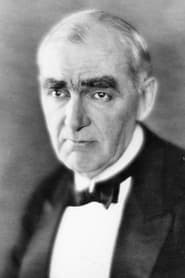
Claude Gillingwater
Actor
Born: August 2, 1870 in Louisiana, Missouri, USA Died: November 1, 1939 Active: 1914-1939 Birth Name: Claude Benton Gillingwater
Films
4 films
About Claude Gillingwater
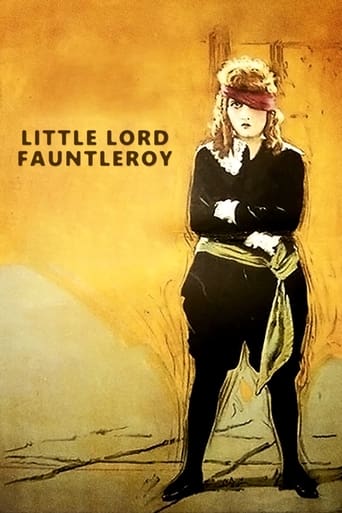
American character actor: both the silent era and the early sound period of Hollywood cinema. Born in Missouri in 1870, Gillingwater began his acting career on the stage before transitioning to films in the 1910s. He quickly established himself as a reliable character actor, often playing stern but benevolent authority figures, fathers, and businessmen. His breakthrough came in the 1920s when he appeared in numerous high-profile productions, including the acclaimed adaptation of 'Little Lord Fauntleroy' (1921) where he played the role of Mr. Havisham. Gillingwater's commanding screen presence and distinctive appearance - tall with a balding head and imposing demeanor - made him instantly recognizable to audiences. He successfully made the transition to sound films, continuing his career into the early 1930s with roles in productions like 'The Big House' (1930). Throughout his career, he appeared in over 100 films, becoming one of Hollywood's most prolific character actors before his death in 1939.
The Craft
On Screen
Gillingwater was known for his authoritative yet warm screen presence, often portraying stern fathers, judges, businessmen, and other authority figures who ultimately revealed a kind heart beneath their gruff exterior. His acting technique was rooted in the theatrical tradition, which translated well to the heightened emotional requirements of silent cinema. He possessed a distinctive physical presence with his tall stature, bald head, and commanding voice that made him instantly recognizable. Gillingwater specialized in bringing depth and nuance to supporting roles, often serving as moral anchors or pivotal figures in the narratives.
Milestones
- Stage career before entering films
- Breakthrough role in 'Little Lord Fauntleroy' (1921)
- Successful transition from silent to sound films
- Appeared in over 100 films during his 25-year career
- Notable supporting role in Oscar-winning 'The Big House' (1930)
Best Known For
Iconic Roles
Must-See Films
Accolades
Special Recognition
- Hollywood Walk of Fame star (Motion Pictures) at 6764 Hollywood Boulevard
Working Relationships
Worked Often With
Studios
Why They Matter
Impact on Culture
Claude Gillingwater represented the archetype of the reliable character actor who provided essential support to leading stars during Hollywood's formative years. His ability to embody authority figures with both gravitas and humanity helped establish the template for the benevolent but stern character type that would become a staple of American cinema. Gillingwater's successful transition from silent films to talkies demonstrated the importance of theatrical training and voice quality in early sound cinema, setting an example for other stage-trained actors making the same transition. His work in films like 'The Big House' contributed to the development of the prison film genre and helped establish conventions for depicting institutional authority in cinema.
Lasting Legacy
Claude Gillingwater's legacy lies in his contribution to the golden age of Hollywood character acting, where he helped establish the importance of reliable supporting players in creating memorable films. His son, Claude Gillingwater Jr., continued the family tradition, appearing in numerous films through the 1930s and 1940s. Gillingwater's star on the Hollywood Walk of Fame serves as a permanent reminder of his contributions to American cinema. Film historians often cite him as an example of the journeyman actors who formed the backbone of Hollywood's studio system, providing the essential character work that elevated films beyond mere star vehicles.
Who They Inspired
Gillingwater influenced subsequent generations of character actors through his demonstration of how to create memorable supporting roles that enhanced rather than overshadowed the main narrative. His theatrical approach to film acting, emphasizing clear character choices and strong physical presence, provided a model for actors transitioning from stage to screen. His ability to convey authority tempered with humanity influenced how similar character types would be portrayed in later decades of American cinema. Many character actors who followed in the 1930s and 1940s built upon the foundation that performers like Gillingwater had established for supporting roles in studio films.
Off Screen
Claude Gillingwater was married twice during his lifetime. His first marriage was to actress Roberta Arnold, with whom he had one son, Claude Gillingwater Jr., who also became an actor. After his first marriage ended, he married actress Helen Ferguson in 1934, remaining with her until his death. Gillingwater was known in Hollywood circles as a reliable professional who was well-respected by his colleagues. He maintained a relatively private personal life, focusing primarily on his craft and family.
Education
Limited formal education; trained in acting through theater experience
Family
- Roberta Arnold (1910-1933)
- Helen Ferguson (1934-1939)
Did You Know?
- Was born in Missouri but raised in Texas
- Began his career as a traveling stage actor
- His son Claude Gillingwater Jr. Appeared in over 60 films
- Often played characters much older than his actual age
- Was a member of the prestigious Lambs Club in New York
- Appeared in both silent and sound versions of some productions
- Was known for his distinctive bald head which became his trademark
- Worked with some of the biggest stars of the silent era including Mary Pickford
- His final film appearance was in 'Stand Up and Fight' (1939)
- Died of a heart attack at his home in Hollywood
In Their Own Words
Acting is not about being famous, it's about becoming the character the story needs
In the silent pictures, your face had to do all the talking, but in talkies, your voice must match what your eyes are saying
There's no small role, only small actors - and I've never been accused of being small
Frequently Asked Questions
Who was Claude Gillingwater?
American character with credits in this catalog.
What films is Claude Gillingwater best known for?
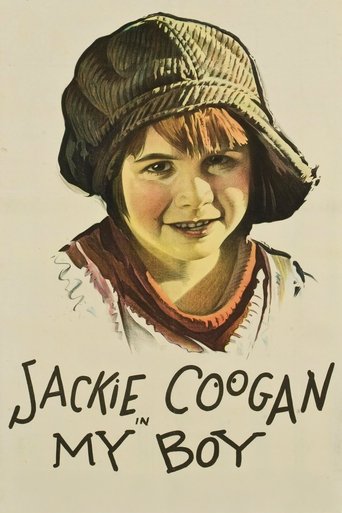
Titles linked here include Little Lord Fauntleroy (1921), My Boy (1921).
When was Claude Gillingwater born and when did he die?
Born August 2, 1870; died November 1, 1939.
What awards did Claude Gillingwater win?
While he didn't receive major acting awards during his lifetime, Gillingwater was honored with a star on the Hollywood Walk of Fame at 6764 Hollywood Boulevard for his contributions to motion pictures.
What was Claude Gillingwater's acting style?
Gillingwater was known for his theatrical acting style, portraying stern authority figures with underlying warmth, using his distinctive physical presence including his tall stature and bald head to create memorable characters.
Did Claude Gillingwater have any children who also became actors?
Yes, his son Claude Gillingwater Jr. Followed in his footsteps and became an actor, appearing in over 60 films during the 1930s and 1940s.
How did Claude Gillingwater transition from silent films to talkies?
Gillingwater successfully made the transition to sound films due to his theatrical background and strong voice, continuing his career into the 1930s with notable roles in films like 'The Big House' (1930).