Films
2 films
About Svea Peters
Swedish silent film actress who had a brief but notable career during the golden age of Swedish cinema in 1919. Svea appears in two significant films directed by the Victor Sjöström, one of the figures of early Swedish cinema and a master of silent film storytelling. Her career was remarkably short-lived, spanning only the single year of 1919, after which she seemingly disappeared from the film industry entirely. Her performances came during a period when Swedish cinema was producing some of the most artistically sophisticated and internationally acclaimed films in the world, particularly through adaptations of works by Nobel Prize-winning author Selma Lagerlöf. Despite her limited filmography, Peters contributed to the cinematic landscape during what many consider the peak of Swedish silent film's artistic achievement and global influence. Her brief career coincided with a time when directors like Sjöström and Mauritz Stiller were establishing Sweden as a major force in world cinema, known for their technical innovation, naturalistic acting styles, and psychological depth.
The Craft
On Screen
No specific documentation of her acting style survives, but she would have been influenced by the naturalistic acting approach favored in Swedish cinema of the late 1910s, which emphasized psychological realism over theatrical gestures.
Milestones
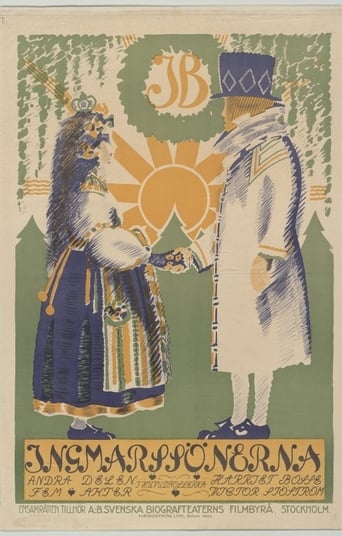
- Appeared in 'Sons of Ingmar' (1919) directed by Victor Sjöström
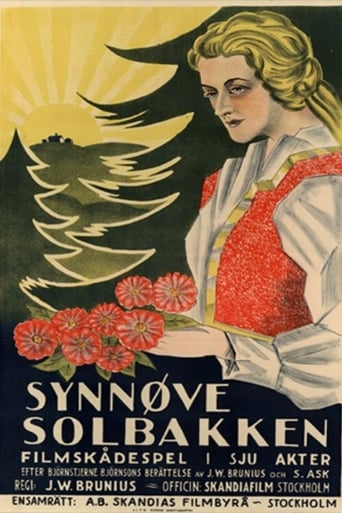
- Appeared in 'The Fairy of Solbakken' (1919)
- Worked during the golden age of Swedish silent cinema
- Collaborated with one of Sweden's most influential directors
Best Known For
Iconic Roles
Must-See Films
Working Relationships
Worked Often With
Studios
Why They Matter
Impact on Culture
Svea Peters' cultural impact was minimal due to her extremely brief career spanning only one year. However, her participation in films during the golden age of Swedish silent cinema places her within an important historical context, when Swedish films were gaining international recognition for their artistic merit and technical innovation. The films she appeared in were part of a movement that established Sweden as a major force in world cinema during the silent era, influencing filmmakers internationally and contributing to the development of cinematic language.
Lasting Legacy
Svea Peters represents the many anonymous or nearly-forgotten actors who contributed to early cinema but whose careers were brief or undocumented. Her legacy exists primarily through her association with Victor Sjöström's important works from 1919, which remain significant in film history. While she did not achieve lasting fame, she was part of the artistic ecosystem that produced some of the most acclaimed films of the silent era, contributing to the early Swedish cinema that continues to be studied and appreciated by film historians.
Who They Inspired
Due to her brief career and limited filmography, Svea Peters did not have a documented influence on subsequent generations of actors or filmmakers. However, her work in Sjöström's films placed her within a tradition of Swedish cinema that would later influence directors like Ingmar Bergman and the broader development of psychological realism in film acting.
Off Screen
Very little is known about Svea Peters' personal life, which is common for actors from this era who had brief careers, especially in smaller national film industries. No records of her family background, marriages, or life after her brief film career have survived in accessible archives.
Did You Know?
- Her entire known filmography consists of only two films from 1919
- She worked with Victor Sjöström, who later became a major Hollywood director
- Her career coincided with the peak of Swedish silent cinema's international reputation
- Both films she appeared in were likely adaptations of works by Selma Lagerlöf, a Nobel Prize-winning author
- Swedish cinema of this era was known for its technical innovation and artistic sophistication
- Her brief career is representative of many actors from early cinema who appeared in only a handful of films
- The 1910s marked the first golden age of Swedish cinema, with films gaining international acclaim
- Sjöström, her director, was considered one of the greatest directors of the silent era
- Swedish films of this period were particularly noted for their use of natural locations and psychological depth
Frequently Asked Questions
Who was Svea Peters?
Swedish silent film actress who had a very brief career in 1919, appearing in two films directed by Victor Sjöström during the golden age of Swedish cinema. She is primarily known for her roles in 'Sons of Ingmar' and 'The Fairy of Solbakken,' both from 1919.
What films is Svea Peters best known for?
Titles linked here include Sons of Ingmar (1919), The Fairy of Solbakken (1919).
When was Svea Peters born and when did she die?
Specific birth and death dates for Svea Peters are not documented in available historical records, which is common for actors from this era who had brief careers. She is known to have been active as an actress in 1919 and was of Swedish nationality.
What awards did Svea Peters win?
There are no records of Svea Peters receiving any formal awards or nominations for her acting work. This was not uncommon for actors of the silent era, especially those with very brief careers or from smaller national film industries.
What was Svea Peters' acting style?
While specific documentation of Svea Peters' acting style does not survive, she would have been influenced by the naturalistic approach favored in Swedish cinema of the late 1910s, which emphasized psychological realism over theatrical gestures and was considered ahead of its time in film acting techniques.
Why was Svea Peters' career so short?
The reasons for Svea Peters' extremely brief career are unknown, as is common for many actors from early cinema who appeared in only a handful of films. She may have chosen to leave the industry, married and changed her name, or simply not secured further acting opportunities after 1919.
What was the significance of the films Svea Peters appeared in?
The films Svea Peters appeared in were significant because they were directed by Victor Sjöström during the peak of Swedish silent cinema's international reputation. Swedish films of this era were known for their artistic sophistication and technical innovation, influencing filmmakers worldwide.