Films
3 films
About Edmond van Daële
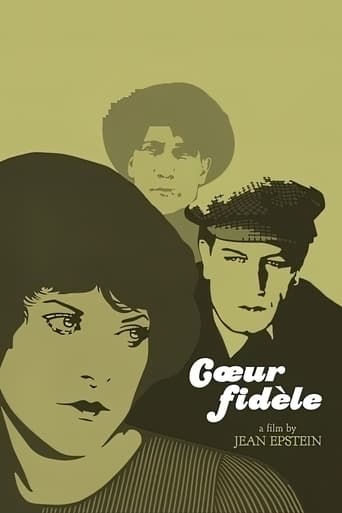
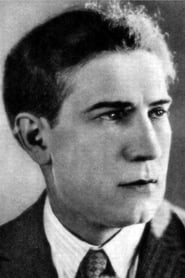
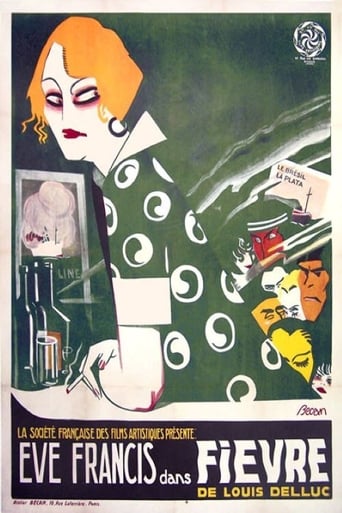
Edmond van Daële appears once in this catalog: Cœur fidèle (1923). His brief but memorable film career was primarily associated with the avant-garde director Jean Epstein, for whom he appeared in two significant silent films. Van Daèle made his debut in Epstein's film 'Fièvre' in 1921, which showcased the director's innovative cinematic techniques. The following year, he delivered a notable performance in 'Cœur fidèle' (1923), now considered one of the masterpieces of French silent cinema and a quintessential example of the Impressionist movement. Van Daèle's screen presence embodied the emotional intensity and psychological depth characteristic of French Impressionist filmmaking. Though his filmography was limited to these two known appearances, his contributions to these important works have secured his place in cinema history. His career appears to have been concentrated entirely within the silent era, with no known transition to sound films.
The Craft
On Screen
Van Daële embodied the emotional intensity characteristic of French Impressionist cinema, using exaggerated gestures and facial expressions to convey psychological depth. His performances aligned with the movement's emphasis on subjective experience and inner emotional states, utilizing the silent medium's visual storytelling capabilities to their fullest extent.
Milestones
- Starred in Jean Epstein's 'Fièvre' (1921)
- Appeared in the acclaimed 'Cœur fidèle' (1923)
- Contributed to French Impressionist cinema movement
Best Known For
Iconic Roles
Must-See Films
Accolades
Special Recognition
- Recognized as contributor to French Impressionist cinema canon
Working Relationships
Worked Often With
Why They Matter
Impact on Culture
Edmond van Daële's contributions to French cinema, though limited in quantity, are culturally significant due to his participation in two landmark films of the French Impressionist movement. 'Cœur fidèle' in particular is studied by film scholars as a masterpiece of silent cinema, and Van Daële's performance is part of what makes the film emotionally resonant. His work helped exemplify the artistic ambitions of French cinema in the early 1920s, a period when French filmmakers were pushing the boundaries of cinematic expression through innovative visual techniques and psychological storytelling.
Lasting Legacy
Van Daële's legacy is preserved through his appearances in two historically important French films that continue to be studied and appreciated by cinephiles and film historians. While he never achieved the fame of leading silent era stars, his contributions to the French Impressionist movement ensure his place in cinema history. His performances in Epstein's films serve as valuable examples of the acting style and artistic philosophy of this crucial period in French cinema development.
Who They Inspired
As a supporting actor in influential avant-garde films, Van Daële's work contributed to the development of cinematic acting techniques that emphasized psychological realism and emotional expression. His performances in Epstein's films helped demonstrate how actors could contribute to the overall aesthetic goals of the Impressionist movement, influencing subsequent approaches to film acting in French cinema.
Off Screen
Very little is documented about Edmond van Daële's personal life, as was common for many supporting actors of the silent era who did not achieve major stardom. His career appears to have been brief but artistically significant, concentrated entirely in the early 1920s French avant-garde cinema scene.
Did You Know?
- Appeared in only two known films during his entire career
- Both of his films were directed by Jean Epstein
- His most famous film 'Cœur fidèle' is considered a masterpiece of French Impressionist cinema
- The films he appeared in were part of the avant-garde movement that sought to establish cinema as a serious art form
- His career coincided with the peak of French silent cinema's artistic achievements
- Despite his brief career, his films are regularly screened at film archives and cinematheques worldwide
- His performances exemplify the emotional intensity characteristic of French Impressionist acting
- Both films he appeared in are preserved as important works of cinematic heritage
Frequently Asked Questions
Who was Edmond van Daële?
French with credits in this catalog.
What films is Edmond van Daële best known for?
Titles linked here include Cœur fidèle (1923), Fièvre (1921).
When was Edmond van Daële born and when did he die?
Born 1884; died 1960.
What awards did Edmond van Daële win?
There are no recorded awards or nominations for Edmond van Daële, which was not uncommon for supporting actors of the silent era, particularly those working in avant-garde cinema.
What was Edmond van Daële's acting style?
Van Daële's acting style embodied the emotional intensity and psychological depth characteristic of French Impressionist cinema, using exaggerated expressions and gestures to convey inner emotional states in the silent medium.