Films
2 films
About Léonid Walter de Malte
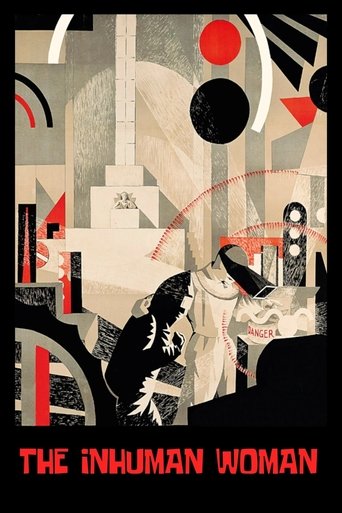
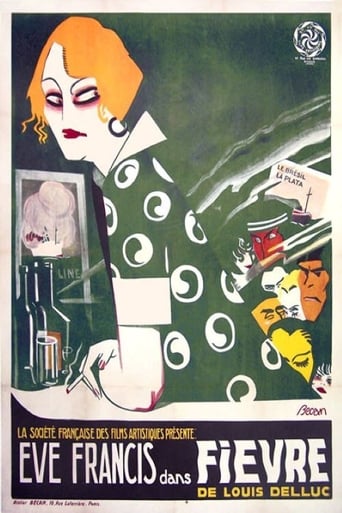
French actor who worked during the silent film era of the early 1920s. His known filmography consists of only two confirmed appearances, suggesting he may have been either a supporting actor, an extra, or someone who had a very brief career in cinema. Léonid appears in Louis Delluc's influential 1921 film 'Fièvre,' which is considered one of the works of French impressionist cinema. His second confirmed role was in 'The Inhuman Woman' (1924), another French silent production from this experimental period of filmmaking. The fact that he appeared in these artistic, avant-garde productions suggests he may have been part of the artistic circles in Paris during the 1920s. Like many actors from the silent era whose careers were brief or who worked primarily in supporting roles, detailed biographical information about Léonid Walter de Malte is extremely scarce, and he appears to have left the film industry or passed away before the transition to sound cinema.
The Craft
Milestones
- Appeared in Louis Delluc's 'Fièvre' (1921), a landmark of French impressionist cinema
- Acted in 'The Inhuman Woman' (1924) during the peak of French avant-garde filmmaking
Best Known For
Must-See Films
Working Relationships
Worked Often With
Why They Matter
Impact on Culture
Léonid Walter de Malte's cultural impact is minimal due to his extremely brief and limited film career, but his participation in 'Fièvre' (1921) connects him to an important moment in French cinema history. This film, directed by Louis Delluc, was instrumental in developing the French impressionist movement that would influence filmmakers worldwide. While his specific contributions to these films are not well-documented, actors like de Malte formed the essential ensemble that allowed directors to realize their artistic visions during cinema's formative years.
Lasting Legacy
The legacy of Léonid Walter de Malte is primarily that of a representative example of the many anonymous actors who contributed to early cinema but whose lives and careers have been largely lost to history. His appearance in 'Fièvre' ensures his name is preserved in film history, however peripherally, as part of the cast of this French impressionist film. Like many actors from the silent era whose careers were brief or who worked in supporting roles, he serves as a reminder of the countless individuals who helped build the foundation of cinema but whose stories remain largely untold.
Who They Inspired
Due to his very limited filmography and the lack of detailed information about his work, Léonid Walter de Malte's influence on other actors or filmmakers cannot be determined. His brief career during the early 1920s suggests he was more likely influenced by the artistic movements of his time rather than being an influencer himself.
Off Screen
Very little is known about the personal life of Léonid Walter de Malte, which is typical for many supporting actors from the silent era who did not achieve major stardom. His brief film active years covered only three years, and he appears to have disappeared from public records after 1924.
Did You Know?
- His film career lasted only three years, from 1921 to 1924
- He appeared in 'Fièvre' (1921), directed by Louis Delluc, a pioneer of French cinema
- Only two films in his filmography are known to exist in historical records
- His name suggests possible aristocratic or foreign heritage, common among actors of the period
- He worked during the height of French impressionist cinema
- Like many silent era actors, his career appears to have ended before the transition to sound films
- His participation in avant-garde films suggests he may have been part of Paris's artistic circles
- No photographs or detailed descriptions of his appearance survive in accessible archives
Frequently Asked Questions
Who was Léonid Walter de Malte?
French with credits in this catalog. He appeared in only two known films, 'Fièvre' (1921) and 'The Inhuman Woman' (1924), both French productions. His career was extremely brief, lasting just three years, and very little is known about his life beyond these film appearances.
What films is Léonid Walter de Malte best known for?
Titles linked here include Fièvre (1921), The Inhuman Woman (1924).
When was Léonid Walter de Malte born and when did he die?
Unfortunately, the birth and death dates of Léonid Walter de Malte are not known, which is common for many supporting actors from the silent era whose biographical information was not preserved. His only documented period of activity was between 1921 and 1924.
What awards did Léonid Walter de Malte win?
There are no records of Léonid Walter de Malte receiving any awards or nominations for his work. Given his very brief career and limited filmography, he was not recognized with major honors during his lifetime.
What was Léonid Walter de Malte's acting style?
Due to the lack of surviving films featuring him and limited documentation about his performances, Léonid Walter de Malte's specific acting style cannot be determined. He worked during the French impressionist movement, which favored more expressive and psychological approaches to performance typical of avant-garde cinema of the 1920s.