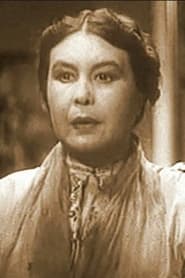
Inna Fyodorova
Actor
Born: May 31, 1905 in Moscow, Russian Empire Died: December 25, 1975 Active: 1927-1943 Birth Name: Inna Ivanovna Fyodorova
Films
7 films
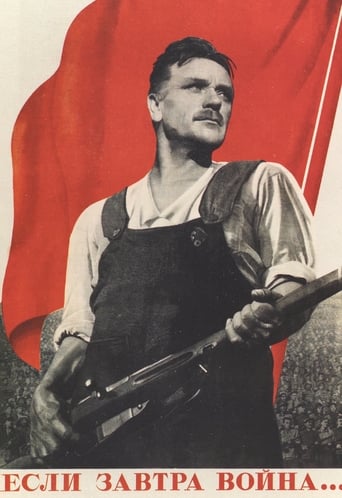
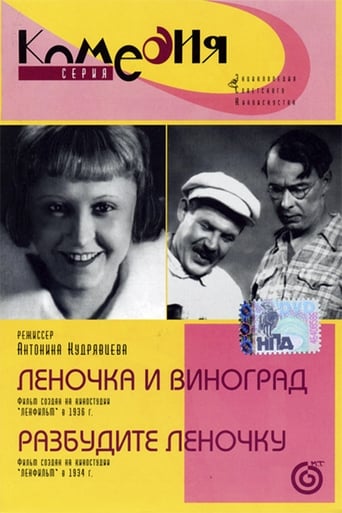
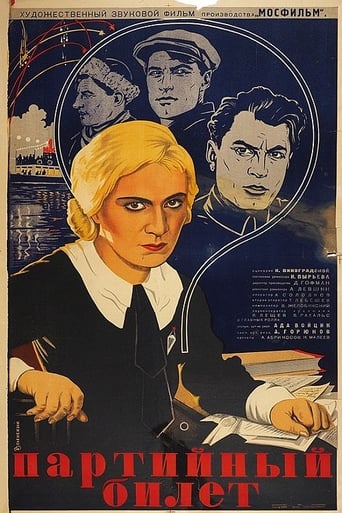
About Inna Fyodorova
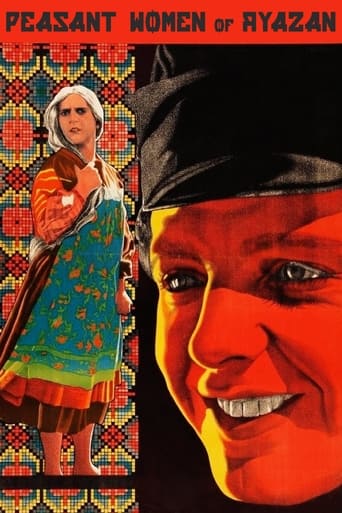
Inna Ivanovna Fyodorova — Soviet actress whose the pivotal transition from silent films to sound cinema in Soviet Russia. Born in Moscow in 1905, she emerged as a prominent character actress during the late 1920s, making her memorable debut in 'The Peasant Women of Ryazan' (1927), Soviet silent films of the era. Throughout the 1930s, Fyodorova established herself as a versatile performer capable of portraying strong, authentic peasant women and working-class characters that embodied Soviet ideals. Her performances in films like 'Anna' (1936) and 'If War Comes Tomorrow' (1938) showcased her ability to convey deep emotion and social commentary through subtle, naturalistic acting. During World War II, she continued contributing to Soviet cinema with roles in patriotic films that boosted morale on the home front. Fyodorova's career reflected the evolution of Soviet cinema itself, from the experimental silent period through the establishment of socialist realism in the 1930s. Her final film appearances in the early 1940s marked the end of a significant career that helped shape the golden age of Soviet cinema.
The Craft
On Screen
Fyodorova was known for her naturalistic and emotionally authentic acting style, particularly in portraying strong, resilient peasant women and working-class characters. Her performances were marked by subtle facial expressions and body language that conveyed deep emotional states without melodrama. During the silent era, she mastered the art of conveying complex emotions through minimal gestures and intense gazes. In sound films, she maintained this understated approach while adding depth through her voice modulation and dialogue delivery. Her acting embodied the principles of socialist realism while maintaining genuine human warmth and authenticity.
Milestones
- Breakthrough role in 'The Peasant Women of Ryazan' (1927)
- Transition from silent to sound cinema
- Multiple roles in 1930s socialist realist films
- Patriotic film contributions during WWII
- Characterization of Soviet working-class women
Best Known For
Iconic Roles
Must-See Films
Accolades
Won
- Honored Artist of the RSFSR (1947)
Special Recognition
- Order of the Red Banner of Labour (1950)
- Medal 'For Valiant Labour in the Great Patriotic War 1941-1945'
Working Relationships
Worked Often With
Studios
Why They Matter
Impact on Culture
Inna Fyodorova played a significant role in shaping the visual representation of Soviet women in cinema during a crucial period of Soviet cultural development. Her portrayals of strong, resilient peasant women helped establish the archetype of the Soviet heroine who embodied both traditional values and revolutionary spirit. Through her work in 'The Peasant Women of Ryazan' and subsequent films, she contributed to the development of socialist realism in cinema, creating characters that were both ideologically sound and emotionally compelling. Her performances helped bridge the gap between the experimental avant-garde of the 1920s and the more structured socialist realist style of the 1930s, demonstrating how artistic innovation could serve political purposes without sacrificing authenticity.
Lasting Legacy
Fyodorova's legacy endures through her influential film performances that continue to be studied by film scholars and students of Soviet cinema. Her work in 'The Peasant Women of Ryazan' remains a touchstone for understanding the evolution of Soviet silent film and the portrayal of women in early Soviet society. As one of the few actresses who successfully transitioned from silent to sound cinema while maintaining her artistic integrity, she serves as an example of adaptability and artistic resilience. Her marriage to Pyotr Todorovsky and their son Mikhail's subsequent career as a director created a lasting cinematic dynasty that influenced Russian film for generations. Film historians credit her with helping establish the template for the Soviet heroine archetype that would dominate Russian cinema for decades.
Who They Inspired
Fyodorova influenced subsequent generations of Soviet actresses through her naturalistic acting style and her ability to convey complex emotions within the constraints of socialist realism. Her work demonstrated how actors could maintain artistic authenticity while serving ideological goals, a balance that many Soviet performers struggled to achieve. Young actresses studying at VGIK in the 1950s and 1960s learned from her example of subtle, emotionally grounded performance. Her influence can be seen in the work of later Soviet actresses like Nonna Mordyukova and Lyudmila Gurchenko, who also specialized in portraying strong, authentic working-class women. The acting techniques she developed for portraying peasant women became part of the standard toolkit for Soviet character actresses throughout the remainder of the 20th century.
Off Screen
Inna Fyodorova led a relatively private life away from the spotlight, dedicating herself primarily to her craft and family. She married fellow Soviet actor Nikolai Kryuchkov in 1934, though their marriage ended in divorce. Later in life, she married director Pyotr Todorovsky, with whom she had a son, Mikhail Todorovsky, who would also become a film director. Despite the political pressures of the Stalin era, Fyodorova maintained her artistic integrity and avoided political controversies. After retiring from acting in the early 1940s, she focused on family life and occasionally worked as an acting coach for young performers at the State Institute of Cinematography (VGIK).
Education
Graduated from the State Institute of Cinematography (VGIK) in 1926
Family
- Nikolai Kryuchkov (1934-1939)
- Pyotr Todorovsky (1945-1975)
Did You Know?
- Was discovered by director Olga Preobrazhenskaya while studying at VGIK
- Her role in 'The Peasant Women of Ryazan' was her film debut and immediately brought her critical acclaim
- Survived the Stalin purges of the 1930s, which claimed many of her colleagues
- During WWII, she volunteered at hospitals and performed for wounded soldiers
- Her final film appearance was in 1943, after which she retired from acting to focus on family
- Was known for her refusal to play stereotypical roles, insisting on character complexity
- Maintained lifelong friendships with many of her co-stars from the 1920s
- Her son Mikhail Todorovsky directed the acclaimed film 'Intergirl' (1989)
- Was one of the few silent era actresses to successfully transition to sound films
- Never joined the Communist Party, despite her prominent status in Soviet cinema
In Their Own Words
In acting, truth is more important than ideology. The audience feels authenticity even when they don't understand why.
Playing a peasant woman is not about costume and accent; it's about understanding the soul of the Russian land.
The transition from silent to sound was challenging, but emotion transcends technology.
We were creating a new kind of cinema for a new kind of person - the Soviet citizen.
Art should serve the people, but it must never lose its humanity in doing so.
Frequently Asked Questions
Who was Inna Fyodorova?
Prominent Soviet actress active from 1927 to 1943, known for her portrayals of strong peasant women and working-class characters during the transition from silent to sound cinema in Soviet Russia.
What films is Inna Fyodorova best known for?
Titles linked here include The Peasant Women of Ryazan (1927), Anna (1936).
When was Inna Fyodorova born and when did she die?
Born May 31, 1905; died December 25, 1975.
What awards did Inna Fyodorova win?
She was named Honored Artist of the RSFSR in 1947 and received the Order of the Red Banner of Labour in 1950, along with the Medal 'For Valiant Labour in the Great Patriotic War 1941-1945'.
What was Inna Fyodorova's acting style?
Fyodorova was known for her naturalistic and emotionally authentic acting style, particularly in portraying strong, resilient peasant women through subtle expressions and understated performances that embodied socialist realism while maintaining genuine human warmth.