Films
3 films
About Matt Snyder
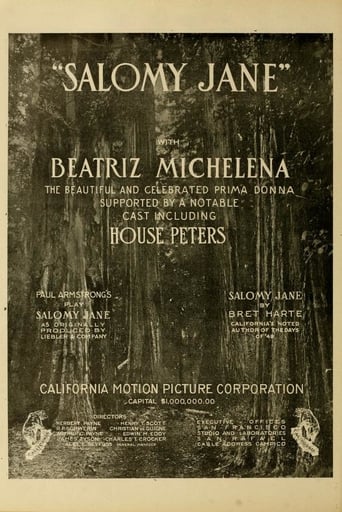
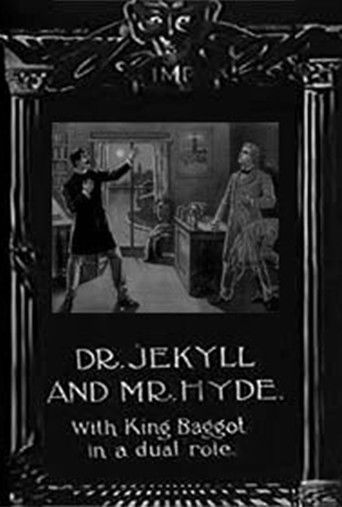
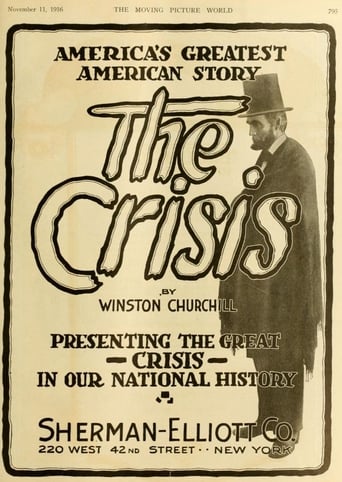
American actor who worked during the early silent film era, appearing in a handful of productions between 1913 and 1916. His career, though brief, coincided with a formative period in American cinema when the industry was transitioning from short films to feature-length productions. Snyder appeared in supporting roles in several notable films of the period, including the 1913 adaptation of Robert Louis Stevenson's 'Dr. Jekyll and Mr. Hyde,' which was one of the earliest film versions of the classic tale. He also had roles in 'Salomy Jane' (1914), a western drama starring Beatriz Michelena, and 'The Crisis' (1916), a dramatic feature directed by Colin Campbell. Like many actors of his era, Snyder's filmography was relatively small, and he appears to have left the film industry after 1916, as no further film credits have been documented. His career represents the typical trajectory of many early film actors who worked during cinema's years but did not achieve lasting fame.
The Craft
On Screen
Like most actors of the early silent period, Matt Snyder likely employed the theatrical, exaggerated acting style common to the era, using broad gestures and facial expressions to convey emotion to audiences without the benefit of synchronized sound.
Milestones
- Appeared in Dr. Jekyll and Mr. Hyde (1913), one of the earliest film adaptations of the classic story
- Worked during the transitional period when American cinema was moving toward feature films
- Appeared in Salomy Jane (1914) starring the popular actress Beatriz Michelena
- Had a role in The Crisis (1916), a notable drama of the mid-1910s
Best Known For
Must-See Films
Working Relationships
Studios
Why They Matter
Impact on Culture
Matt Snyder's cultural impact was minimal, as he was a supporting actor during the early silent era who appeared in only a few films before disappearing from the record. However, his participation in films like the 1913 'Dr. Jekyll and Mr. Hyde' places him within the historical context of early American cinema's development. Actors like Snyder were part of the foundation upon which the Hollywood studio system would later be built, contributing to the evolution of film acting and storytelling techniques even if their individual names were not preserved in film history.
Lasting Legacy
Matt Snyder's legacy is primarily that of a typical working actor from cinema's earliest days - a representative of the hundreds of performers who contributed to the burgeoning film industry but whose names have been lost to time. His brief filmography serves as a reminder of the vast number of actors who participated in early cinema but did not achieve lasting fame. The films in which he appeared, particularly the 1913 adaptation of 'Dr. Jekyll and Mr. Hyde,' remain historically significant as examples of early American filmmaking, even if individual performers like Snyder are largely forgotten.
Who They Inspired
There is no documented evidence of Matt Snyder influencing other actors or filmmakers, which is typical for supporting actors of his era who did not achieve significant recognition or have long, prominent careers. His influence, like that of many early film actors, would have been limited to his immediate performances in the few films in which he appeared.
Off Screen
Very little is documented about Matt Snyder's personal life, which is typical for many supporting actors from the early silent era who did not achieve major stardom. Personal details about actors from this period were often not preserved in studio records or entertainment publications unless they were major stars.
Did You Know?
- Matt Snyder's entire known filmography consists of only three films made between 1913 and 1916
- The 1913 version of 'Dr. Jekyll and Mr. Hyde' in which he appeared was one of the first American film adaptations of the Robert Louis Stevenson novel
- Like many actors from the early silent era, complete biographical information about Snyder has been lost to time
- His career ended before the Hollywood studio system was fully established in the 1920s
- No photographs or promotional materials featuring Matt Snyder appear to have survived
- His brief active years covered a crucial period when American cinema was transitioning from short films to feature-length productions
- The films he appeared in were produced by different companies, suggesting he worked as a freelance actor rather than having a studio contract
Frequently Asked Questions
Who was Matt Snyder?
American with credits in this catalog. He was a supporting actor in productions like 'Dr. Jekyll and Mr. Hyde' (1913), 'Salomy Jane' (1914), and 'The Crisis' (1916), but left no significant biographical record beyond his film credits.
What films is Matt Snyder best known for?
Titles linked here include Dr. Jekyll and Mr. Hyde (1913), Salomy Jane (1914).
When was Matt Snyder born and when did he die?
The birth and death dates of Matt Snyder are not documented in available historical records, which is common for many supporting actors from the early silent era who did not achieve major stardom. His career is only known to have been active between 1913 and 1916.
What awards did Matt Snyder win?
There is no record of Matt Snyder receiving any awards or nominations for his work in film. This is typical for actors of his era, as the major award systems like the Academy Awards were not established until 1929, after his career had ended.
What was Matt Snyder's acting style?
While specific details about Matt Snyder's acting technique are not documented, actors of his era typically employed the theatrical, exaggerated style common to early silent films. This involved broad gestures and expressive facial acting to convey emotions and story points to audiences without synchronized sound.