Films
1 film
About Stewart Robbins
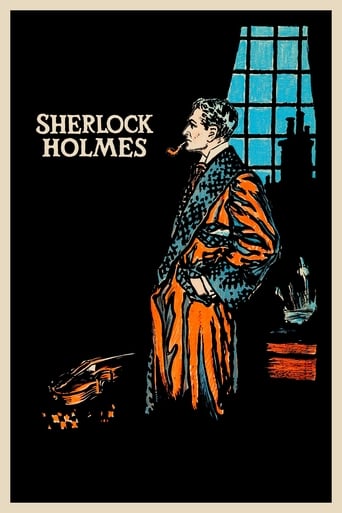
American actor who had a brief but notable appearance during the silent film era, specifically in 1916. His career, though short, coincided with a pivotal period in early American cinema when feature films were becoming more sophisticated and popular. Robbins appeared in the 1916 adaptation of Sherlock Holmes, which starred the renowned stage actor William Gillette in the title role. This film was particularly significant as it was one of the earliest feature-length adaptations of Arthur Conan Doyle's famous detective character. Like many actors of this period, Robbins' career was likely limited to the silent era, and his work represents the countless performers who contributed to early cinema's development but have since faded into relative obscurity. His appearance in Sherlock Holmes places him among the actors who helped establish the detective genre on screen.
The Craft
On Screen
While specific details about Stewart Robbins' acting style are not documented, actors appearing in 1916 silent films typically employed exaggerated gestures and dramatic facial expressions to convey emotion without dialogue. His performance in Sherlock Holmes would have followed the theatrical conventions of the era, influenced by stage acting techniques that were still prevalent in early cinema.
Milestones
- Appeared in the landmark 1916 film 'Sherlock Holmes' starring William Gillette
- Participated in early feature film production during the silent era
- Contributed to one of the first major Sherlock Holmes film adaptations
Best Known For
Iconic Roles
Must-See Films
Working Relationships
Worked Often With
Studios
Why They Matter
Impact on Culture
Stewart Robbins' contribution to cinema, while modest, is part of the broader tapestry of early American film history. His appearance in the 1916 Sherlock Holmes film places him within the context of the early adaptation of literary works to cinema, a practice that would become increasingly important as the film industry developed. The film itself was significant for featuring William Gillette, the actor who had previously achieved great success playing Holmes on stage and had actually been sanctioned by Arthur Conan Doyle himself to portray the character. Robbins represents the many supporting actors who were essential to these early productions but whose names have largely been forgotten by film history.
Lasting Legacy
The legacy of Stewart Robbins is primarily preserved through his participation in one of the earliest surviving feature-length Sherlock Holmes films. This 1916 production is historically significant as it represents one of the first times the famous detective was portrayed on screen by an actor (William Gillette) who had become synonymous with the role through stage performances. While Robbins himself did not achieve lasting fame, his contribution to this important early film ensures his place in cinema history, however minor. The film serves as a valuable artifact of silent era filmmaking and early detective genre development.
Who They Inspired
As a brief contributor to early cinema, Stewart Robbins' direct influence on subsequent actors or filmmakers is not documented. However, his participation in the 1916 Sherlock Holmes film places him within the lineage of actors who helped establish conventions for portraying literary characters on screen. The film itself influenced later Sherlock Holmes adaptations by establishing visual and performative precedents that would be referenced and refined in subsequent versions of the character.
Off Screen
Very little is documented about Stewart Robbins' personal life, which is typical for many supporting actors from the silent era whose careers were brief and who did not achieve major stardom. Like many actors of his time, he likely entered the film industry during the rapid expansion of American cinema in the 1910s but may have pursued other career paths after his brief stint in films.
Did You Know?
- The 1916 Sherlock Holmes film was considered lost for decades until a complete copy was discovered in France in 2014
- William Gillette, the star of the film, was the first actor to portray Sherlock Holmes on screen
- The film was produced by Essanay Studios, one of the early major film production companies
- Gillette's portrayal of Holmes introduced the famous curved pipe and deerstalker hat to the character's visual identity
- The 1916 adaptation was one of the first feature-length films based on a literary detective character
- Essanay Studios was also famous for producing early Charlie Chaplin comedies
- The film's rediscovery in 2014 was considered
- Gillette was 62 years old when he played Holmes in this film, bringing decades of stage experience to the role
Frequently Asked Questions
Who was Stewart Robbins?
Screen credits include the 1916 film adaptation of Sherlock Holmes. His career was extremely brief, with documented activity only in 1916, making him one of the many obscure performers who contributed to early cinema.
What films is Stewart Robbins best known for?
Titles linked here include Sherlock Holmes (1916).
When was Stewart Robbins born and when did he die?
Specific birth and death dates for Stewart Robbins are not documented in historical records, which is common for many supporting actors from the silent era who had brief careers and did not achieve lasting fame.
What awards did Stewart Robbins win?
There are no recorded awards or honors for Stewart Robbins, which is typical for supporting actors from the silent era who had very brief careers in the film industry.
What was Stewart Robbins' acting style?
While specific details about Robbins' acting style are not documented, actors in 1916 typically employed the exaggerated gestures and dramatic facial expressions characteristic of silent film performance, which was heavily influenced by stage acting conventions of the period.