Films
2 films
About Vyacheslav Volkov
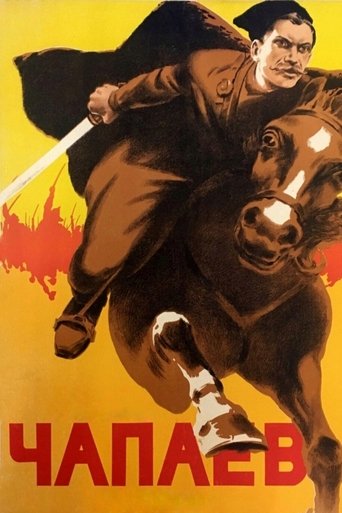
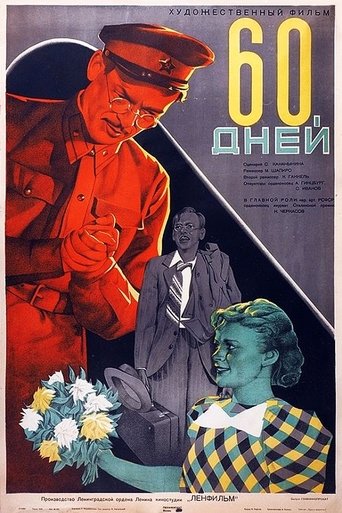
Soviet actor who emerged during the formative years of Soviet cinema in the 1930s. His career, though relatively brief, spanned a crucial decade in Soviet film history from 1934 to 1943, coinciding with the establishment of socialist realism as the dominant artistic style. Volkov gained recognition for his role in the landmark film 'Chapayev' (1934), Soviet films of the 1930s that became a cultural touchstone. His performance in this film about the Red Army commander demonstrated his ability to embody the heroic archetypes favored by Soviet cinema of the era. Volkov continued his acting career during the difficult war years, appearing in '60 Days' (1943), a wartime propaganda film that reflected the Soviet Union's struggle against Nazi invasion. His work exemplified the ideological commitment required of Soviet artists during this period, while also showcasing his talent for bringing historical and contemporary Soviet heroes to life on screen. Though his filmography was limited, Volkov's contributions to Soviet cinema during this pivotal era remain significant.
The Craft
On Screen
Volkov's acting style was characteristic of Soviet socialist realist cinema, emphasizing heroic idealism and ideological clarity. His performances were marked by a direct, earnest approach that sought to embody the virtues of the Soviet citizen and revolutionary hero. Like many actors of this period, he employed a somewhat theatrical style that translated well to the cinematic techniques of the 1930s and early 1940s Soviet film industry.
Best Known For
Iconic Roles
Must-See Films
Working Relationships
Worked Often With
Studios
Why They Matter
Impact on Culture
Vyacheslav Volkov contributed to Soviet cinema during a critical period when the industry was establishing its artistic and ideological foundations. His participation in 'Chapayev' placed him within. The film became a cultural phenomenon, with Chapayev becoming a folk hero and the film being studied and referenced for decades. While Volkov's individual contribution was modest compared to the film's stars, he was part of this seminal work that influenced generations of Soviet filmmakers and actors.
Lasting Legacy
Vyacheslav Volkov's legacy is primarily tied to his association with 'Chapayev,' one of the cornerstones of Soviet cinema history. Though he was not a major star, his participation in this landmark film ensures his place in the annals of Soviet film history. His career trajectory, from the cultural optimism of the mid-1930s to the wartime struggles of the early 1940s, reflects the broader experience of many Soviet artists of his generation. His work exemplifies the type of character actor who was essential to creating the ensemble casts that populated Soviet films of this era.
Who They Inspired
As a supporting actor rather than a leading figure, Vyacheslav Volkov's direct influence on other actors and filmmakers was likely limited. However, through his work in 'Chapayev,' he contributed to a film that became a reference point for subsequent generations of Soviet cinema. The film's success and enduring popularity meant that even minor performances like his became part of the cinematic vocabulary that future Soviet actors would study and emulate.
Off Screen
Limited information is available about Vyacheslav Volkov's personal life, as was common for many Soviet actors of his generation who did not achieve star status. His career coincided with some of the most turbulent years in Soviet history, including the Great Purge of the late 1930s and the Great Patriotic War (World War II). His death in 1943 suggests he may have been a casualty of the war, though specific circumstances are not documented in available sources.
Did You Know?
- Appeared in 'Chapayev' (1934), which became
- His active years covered exactly nine years, from 1934 to 1943
- Died during World War II, suggesting possible military service or war-related circumstances
- Worked during the height of Stalin's cultural policies, which heavily influenced Soviet filmmaking
- Participated in the Soviet war film effort with '60 Days' (1943)
- His filmography consists primarily of films that served Soviet ideological and educational purposes
Frequently Asked Questions
Who was Vyacheslav Volkov?
Soviet with credits in this catalog. His career, though brief, spanned a crucial period in Soviet cinema history.
What films is Vyacheslav Volkov best known for?
When was Vyacheslav Volkov born and when did he die?
Born 1905; died 1943.
What awards did Vyacheslav Volkov win?
There are no documented awards or honors specifically attributed to Vyacheslav Volkov in available film history sources, which was common for many supporting actors in Soviet cinema of his era.
What was Vyacheslav Volkov's acting style?
Volkov's acting style was characteristic of Soviet socialist realist cinema, featuring earnest, direct performances that embodied heroic ideals and ideological clarity appropriate for the films of his time.