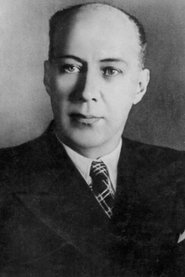
Boris Dobronravov
Actor
Born: April 22, 1896 in Moscow, Russian Empire Died: October 23, 1949 Active: 1915-1949 Birth Name: Boris Fyodorovich Dobronravov
Films
4 films
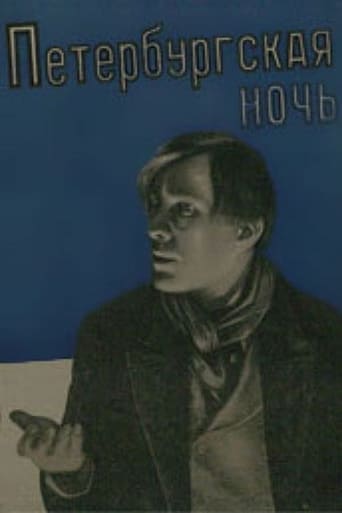
About Boris Dobronravov
Soviet stage and film actor: the transformative decades of Russian theater and cinema. Born into a theatrical family, he began his artistic journey at the Moscow Art Theatre under the Konstantin Stanislavski, where he developed his naturalistic acting style. His breakthrough came in the 1930s when he transitioned successfully to film, appearing in several significant Soviet productions that showcased his ability to portray complex, working-class characters with authenticity and depth. Dobronravov's performances were characterized by their psychological realism and emotional intensity, reflecting the Stanislavski method he mastered on stage. Throughout his career, he balanced his film work with continued dedication to theater, becoming respected actors of his generation. His premature death in 1949 cut short a brilliant career that had already on Soviet performing arts.
The Craft
On Screen
Dobronravov excelled in psychological realism, employing the Stanislavski system to create deeply authentic characters. His approach emphasized emotional truth, detailed character study, and naturalistic delivery that rejected theatrical artificiality. He was particularly adept at portraying ordinary Soviet citizens with dignity and complexity, bringing subtle nuances to roles that could have easily become one-dimensional propaganda figures.
Milestones
- Graduated from Moscow Art Theatre School (1917)
- Joined Moscow Art Theatre company (1924)
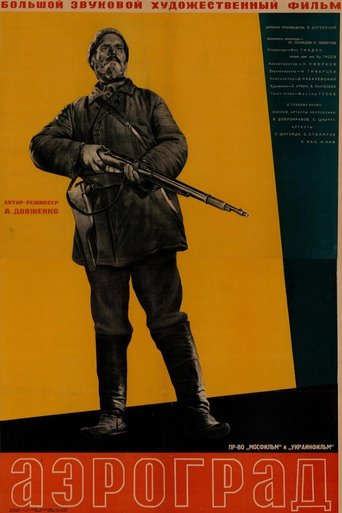
- Starred in landmark Soviet film 'Aerograd' (1935)
- Received title of Honored Artist of the RSFSR (1937)
- Awarded Stalin Prize for theatrical performances (1946)
Best Known For
Iconic Roles
Must-See Films
Accolades
Won
- Stalin Prize (1946)
- Honored Artist of the RSFSR (1937)
- Order of the Red Banner of Labour (1938)
Nominated
- Stalin Prize nomination for theatrical work (1941)
- Considered for People's Artist of the USSR (posthumously)
Special Recognition
- Moscow Art Theatre named him among its greatest actors
- Theatre institute established scholarship in his name
- Streets in Moscow named after him
- Postage stamps issued featuring his portrait (1996 centenary)
Working Relationships
Worked Often With
Studios
Why They Matter
Impact on Culture
Boris Dobronravov played a crucial role in shaping Soviet realistic acting traditions during the Stalin era. His performances helped establish the template for the Soviet hero archetype - complex, human, yet ideologically sound. His work bridged the gap between the theatrical traditions of the Silver Age and the new demands of Socialist Realism in cinema. Dobronravov's interpretation of Stanislavski's methods influenced generations of Soviet actors, helping create a distinctly Soviet approach to psychological realism that differed from Western method acting.
Lasting Legacy
Dobronravov's legacy endures through his influence on Soviet acting pedagogy and the continued reverence for his work in Russian theater circles. His films are studied as exemplars of 1930s Soviet cinema, and his theatrical interpretations remain benchmarks for classical Russian drama. The Moscow Art Theatre continues to reference his performances as standards for classical repertoire. His approach to character psychology influenced the development of Soviet film acting well into the 1960s, and his students went on to become some of the most celebrated actors in Russian cinema history.
Who They Inspired
Dobronravov's naturalistic style and dedication to psychological truth influenced the entire generation of Soviet actors who emerged after World War II. His interpretation of Stanislavski's methods, adapted for Soviet ideological requirements, created a unique approach to character development that balanced artistic integrity with political demands. Many prominent Russian actors, including Innokenty Smoktunovsky and Oleg Yefremov, cited Dobronravov as a major influence on their work. His emphasis on the dignity of ordinary people in his roles helped humanize Soviet cinema during a period of heavy ideological pressure.
Off Screen
Boris Dobronravov was deeply devoted to his craft and maintained a relatively private personal life despite his fame. He married actress Elena Dobronravova, who was also his stage partner at the Moscow Art Theatre. The couple had one son, Fyodor, who later became a respected theater director. Dobronravov was known for his intellectual pursuits, extensive library, and dedication to mentoring young actors. His home was a gathering place for Moscow's artistic intelligentsia during the 1930s and 1940s.
Education
Moscow Art Theatre School (graduated 1917), studied under Konstantin Stanislavski and Vsevolod Meyerhold
Family
- Elena Dobronravova (1925-1949)
Did You Know?
- He was one of the few actors allowed to maintain a career during the Stalin purges of the 1930s
- His performance in 'Aerograd' was personally praised by Joseph Stalin
- He spoke five languages fluently, which was rare for Soviet actors of his generation
- He turned down several offers to move to Hollywood in the 1930s, remaining loyal to Soviet theater
- His final film performance was completed just weeks before his death from cancer
- He maintained a extensive correspondence with international theater figures despite Soviet restrictions
- His personal library contained over 5,000 books, many of which were rare Western publications
- He was known for his photographic memory and could recite entire plays from memory
- During World War II, he performed for frontline soldiers over 200 times
- He was a close friend of composer Sergei Prokofiev and appeared in his opera productions
In Their Own Words
The actor must not play at being, he must be. This is the whole secret of our art.
In every character, no matter how small, there must be a whole universe of feelings and thoughts.
The theater is not a building, it is a living organism that breathes with the soul of its people.
To serve art is to serve truth, and to serve truth is to serve humanity.
The greatest challenge is not to make the audience cry, but to make them think.
Frequently Asked Questions
Who was Boris Dobronravov?
Renowned Soviet stage and film with credits in this catalog. He excelled in psychological realism and.
What films is Boris Dobronravov best known for?
When was Boris Dobronravov born and when did he die?
Born April 22, 1896; died October 23, 1949.
What awards did Boris Dobronravov win?
He received the Stalin Prize in 1946, was named Honored Artist of the RSFSR in 1937, and was awarded the Order of the Red Banner of Labour in 1938 for his contributions to Soviet art and culture.
What was Boris Dobronravov's acting style?
Dobronravov excelled in psychological realism using the Stanislavski system, characterized by naturalistic delivery, emotional authenticity, and deep character study. He specialized in portraying complex working-class characters with dignity and nuance, rejecting theatrical artificiality in favor of psychological truth.
How did Boris Dobronravov influence Soviet cinema?
He helped establish the template for Soviet realistic acting and the archetype of the Soviet hero - complex yet ideologically sound. His interpretation of Stanislavski's methods influenced generations of Soviet actors and created a distinctly Russian approach to psychological realism that differed from Western method acting.
Was Boris Dobronravov related to other famous actors?
Yes, his son Fyodor Dobronravov (1926-2009) became a prominent theater director, continuing the family's artistic legacy in Russian theater. The Dobronravov family remains respected in Russian theatrical circles.