Films
1 film
About Iolanda Bernardes
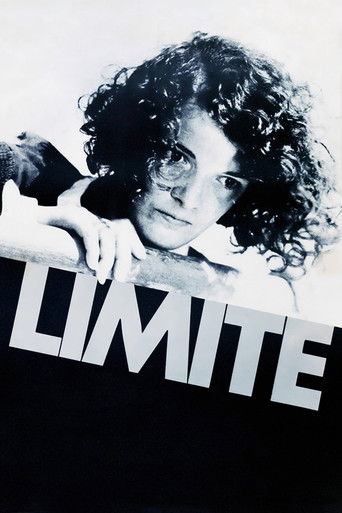
Iolanda Bernardes performed in landmark 1931 avant-garde film 'Limite,' directed by Mário Peixoto. Her role in this single film has secured her place in Brazilian cinema history, despite having no other known film credits. Bernardes was one of three principal actors in the film, alongside Olga Breno and Raul Schnoor, portraying a character caught in a dreamlike narrative that explores themes of love, despair, and human limitation. The film was shot in 1930 but released in 1931, representing ambitious and experimental works of early Brazilian cinema. Bernardes' performance contributed to the film's haunting, poetic atmosphere that has influenced generations of Brazilian filmmakers. Little is known about her life before or after this single cinematic appearance, making her an enigmatic figure in film history. Her legacy remains tied exclusively to this masterpiece of Brazilian avant-garde cinema.
The Craft
On Screen
Based on her performance in 'Limite,' Bernardes employed a subtle, introspective acting style characteristic of late silent cinema, using nuanced facial expressions and body language to convey complex emotions in the film's dreamlike narrative structure.
Milestones
- Starred in the avant-garde masterpiece 'Limite' (1931)
- Participated in
Best Known For
Iconic Roles
Must-See Films
Accolades
Special Recognition
- Recognized as part of the cast of one of Brazil's most important films
Working Relationships
Worked Often With
Why They Matter
Impact on Culture
Iolanda Bernardes' cultural impact is intrinsically linked to 'Limite,' which is considered one of the greatest achievements in Brazilian cinema history. The film has been celebrated by critics and filmmakers worldwide for its innovative techniques, poetic vision, and artistic ambition. Bernardes' performance contributes to the film's enduring influence on avant-garde cinema and its status as a touchstone of Brazilian cultural heritage. The film was rediscovered and restored in the late 20th century, bringing renewed attention to its cast and their contributions to cinema history.
Lasting Legacy
Iolanda Bernardes' legacy is that of a mysterious figure who participated in one of cinema's most remarkable one-offs. 'Limite' continues to be studied in film schools and screened at cinematheques worldwide, ensuring that Bernardes' performance, though brief in her career, remains part of the permanent film canon. Her work stands as proof of the anonymous contributors who helped create masterpieces of early cinema.
Who They Inspired
As an actress from Brazil's early avant-garde cinema, Bernardes' performance style in 'Limite' has been analyzed by film scholars studying the transition from silent to sound cinema in Brazil. Her work represents the emotional expressiveness possible in silent film acting, influencing understanding of performance techniques in experimental cinema of the era.
Off Screen
Very little information is available about Iolanda Bernardes' personal life, as she appeared in only one film and seemingly disappeared from public view afterward. Like many early film actors, especially those from experimental or independent productions, her life outside of her single film role remains undocumented in available historical records.
Did You Know?
- 'Limite' was the only film Iolanda Bernardes ever appeared in
- The film was shot in 1930 but not released until 1931
- Despite being made in 1931, 'Limite' was a silent film
- The film was considered lost for decades before being rediscovered
- Director Mário Peixoto was only 22 years old when he made 'Limite'
- The film runs 120 minutes but features no dialogue
- Bernardes was one of only three main actors in the entire film
- The film was financed by Peixoto's family fortune
- Walter Salles, famous Brazilian director, considers 'Limite' a masterpiece
- The film was Brazil's official submission for preservation in UNESCO's Memory of the World Programme
Frequently Asked Questions
Who was Iolanda Bernardes?
Brazilian actress known exclusively for her role in the 1931 avant-garde film 'Limite,'. She appeared as one of three principal actors in this silent masterpiece directed by Mário Peixoto.
What films is Iolanda Bernardes best known for?
Titles linked here include Limite (1931).
When was Iolanda Bernardes born and when did she die?
Unfortunately, the birth and death dates of Iolanda Bernardes are unknown, as she appeared in only one film and seemingly disappeared from public records afterward. Her nationality was Brazilian, but specific biographical details remain lost to history.
What awards did Iolanda Bernardes win?
Iolanda Bernardes did not receive any individual awards during her lifetime. However, the film 'Limite' has received numerous posthumous recognitions and is considered one of the greatest achievements in Brazilian cinema history, bringing indirect honor to its cast members.
What was Iolanda Bernardes' acting style?
Based on her performance in 'Limite,' Bernardes employed the subtle, expressive style characteristic of late silent cinema, using nuanced facial expressions and body language to convey complex emotions in the film's dreamlike, poetic narrative structure.