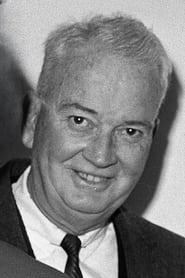
Thomas Carr
Actor
Born: July 20, 1884 in Philadelphia, Pennsylvania, USA Died: April 30, 1941 Active: 1915-1928
Films
2 films
About Thomas Carr
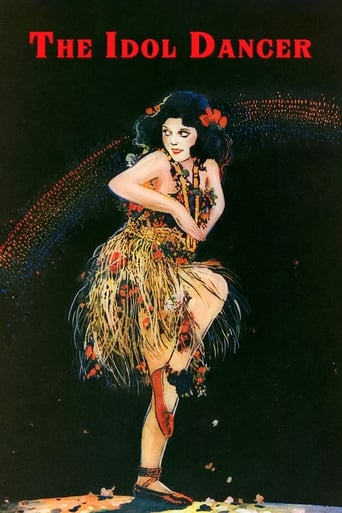
American actor who worked during the silent film era, primarily in the 1910s and 1920s. Born in Philadelphia in 1884, Carr began his film career around 1915 and appeared in numerous productions throughout the silent period. He worked with director D.W. Griffith in The Idol Dancer (1920), one of his more notable film appearances. Carr was part of the large ensemble of character actors who populated Hollywood's silent era, often playing supporting roles that required reliability and versatility. His the transition years of American cinema, though he appears to have retired or left the industry before the full transition to sound films. Like many actors of his generation, his work was largely forgotten as cinema evolved and talkies revolutionized the industry. Carr spent his final years in Philadelphia, where he passed away in 1941, having witnessed the complete transformation of the film industry he had participated in during its formative years.
The Craft
On Screen
Typical character with credits in this catalog. His performances followed the exaggerated physical acting style common in silent films, where facial expressions and body language were crucial for conveying emotion and story. Like many actors of his generation, he likely developed his craft through stage experience before transitioning to film, bringing theatrical techniques to the medium.
Milestones
- Appeared in D.W. Griffith's The Idol Dancer (1920)
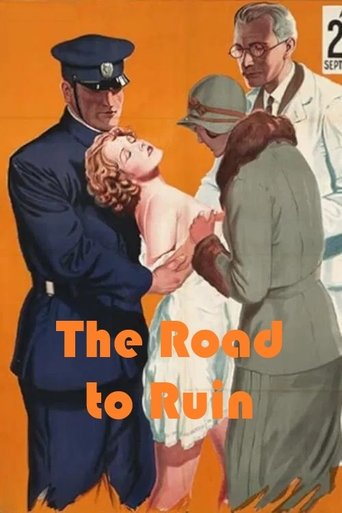
- Featured role in The Road to Ruin (1928)
- Prolific supporting actor in silent films throughout the 1920s
- Worked during the transitional period of American cinema
Best Known For
Iconic Roles
Must-See Films
Working Relationships
Worked Often With
Studios
Why They Matter
Impact on Culture
Thomas Carr represents the countless working actors who formed the backbone of Hollywood's silent era. While not a star, actors like Carr were essential to the film industry's development, providing the reliable character performances that allowed directors to tell complex stories. His work with directors like D.W. Griffith places him within the foundational period of American cinema, contributing to films that helped establish cinematic language and techniques. Though largely forgotten today, these supporting actors were crucial to the success of early Hollywood productions.
Lasting Legacy
Thomas Carr's legacy is that of a typical working actor from Hollywood's formative years. His career illustrates the transient nature of fame in early cinema, where many talented performers contributed significantly to films but were quickly forgotten as the industry evolved. His filmography, preserved through his appearances in notable silent films, shows the collaborative nature of early filmmaking and the importance of character actors in creating memorable cinema.
Who They Inspired
As a supporting actor during the silent era, Thomas Carr's direct influence on other performers is difficult to trace. However, like all actors of his generation, he contributed to the development of screen acting techniques that would be refined by later generations. His work in D.W. Griffith's productions placed him within the lineage of actors who helped establish the conventions of film performance that would influence cinema for decades to come.
Off Screen
Thomas Carr was born and raised in Philadelphia, Pennsylvania, and returned there after his film career ended. Details about his personal life, including family relationships and marriage, are scarce in historical records, which was common for supporting actors of the silent era who did not achieve star status. His life spanned a crucial period in American cinema history, from the early days of silent films through the transition to sound.
Education
Information not available
Family
- Information not available
Did You Know?
- Born in the same city (Philadelphia) as many early film pioneers who moved to Hollywood
- Worked during the peak of the silent film era before the industry's transition to sound
- Appeared in a film directed by D.W. Griffith, one of cinema's most influential early directors
- His active years covered exactly the period when Hollywood was establishing itself as the center of American film production
- Like many actors of his era, he returned to his hometown after his film career ended
- The Road to Ruin (1928) was one of his last film appearances, released just as sound films were beginning to dominate the industry
- His death in 1941 meant he lived to see the complete transformation of the film industry he had worked in
In Their Own Words
No documented famous quotes are available for Thomas Carr, which was common for supporting actors of the silent era
Frequently Asked Questions
Who was Thomas Carr?
American with credits in this catalog. He appeared in numerous films including The Idol Dancer (1920) directed by D.W. Griffith and The Road to Ruin (1928), primarily in supporting roles that were typical of character actors during Hollywood's formative years.
What films is Thomas Carr best known for?
Titles linked here include The Idol Dancer (1920), The Road to Ruin (1928).
When was Thomas Carr born and when did he die?
Born July 20, 1884; died April 30, 1941.
What awards did Thomas Carr win?
Thomas Carr did not receive any major awards or nominations during his career, which was common for supporting actors during the silent era. The Academy Awards were not established until 1929, near the end of his career, and recognition for character actors was limited during his active years.
What was Thomas Carr's acting style?
Thomas Carr employed the typical acting style of the silent era, characterized by exaggerated physical expressions and gestures necessary to convey emotion and story without dialogue. As a character actor, he likely brought versatility and reliability to his supporting roles, adapting his performance style to fit various genres and directorial visions.
Why did Thomas Carr's career end in 1928?
Thomas Carr's career appears to have ended around 1928, coinciding with the transition from silent films to talkies. Many actors from the silent era struggled to adapt to sound films, either due to vocal limitations or the industry's preference for new talent. Carr, like many of his contemporaries, may have chosen to retire rather than navigate this dramatic change in the film industry.