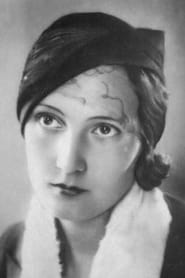
Galina Kravchenko
Actor
Born: August 27, 1907 in Kiev, Russian Empire (now Kyiv, Ukraine) Died: March 5, 1996 Active: 1924-1933 Birth Name: Galina Sergeyevna Kravchenko
Films
3 films
About Galina Kravchenko
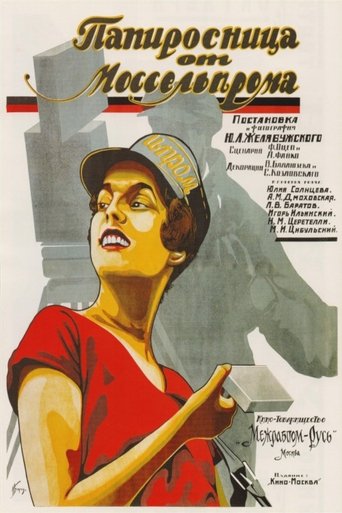
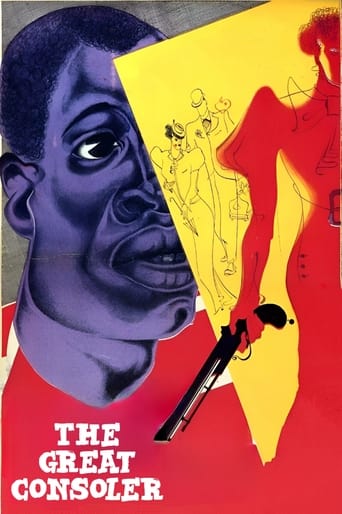
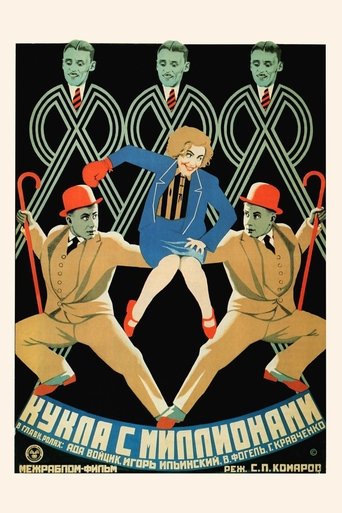
Galina Kravchenko was actresses of Soviet silent cinema, emerging as a major star during the golden age of Soviet filmmaking in the 1920s. She began her career at the young age of 16 after being discovered by director Yuri Zhelyabuzhsky, who cast her in the comedy 'The Cigarette Girl of Mosselprom' (1924), which became an instant sensation and established her as a leading lady. Throughout the late 1920s, Kravchenko became known for her versatility, appearing in both comedies and dramatic films, working with prominent Soviet directors of the era including Abram Room and Konstantin Eggert. Her performance in 'The Doll with Millions' (1928) showcased her ability to embody complex characters and demonstrated the sophisticated acting style developing in Soviet cinema. As the industry transitioned to sound, Kravchenko successfully adapted her performance style, starring in early Soviet talkies including 'The Great Consoler' (1933), which was based on O. Henry's works. However, her career trajectory was dramatically altered by the political climate of the 1930s, as many Soviet artists faced persecution during Stalin's regime. Despite her relatively brief but brilliant career spanning less than a decade, Kravchenko on Soviet cinema and remains remembered as one of the defining faces of early Soviet film.
The Craft
On Screen
Kravchenko's acting style embodied the sophisticated naturalism that characterized the best of Soviet silent cinema, moving away from the exaggerated gestures of early silent films toward more subtle and psychologically nuanced performances. She possessed a remarkable screen presence that combined modern sensibility with classical theatrical training, allowing her to convey complex emotions through minimal movement and expressive facial work. Her performances in comedies showcased impeccable timing and a light, charming demeanor, while her dramatic roles revealed depth and emotional range. As sound cinema emerged, she adapted her style to incorporate vocal performance while maintaining the visual expressiveness that had defined her silent film work.
Milestones
- Starred in the groundbreaking Soviet comedy 'The Cigarette Girl of Mosselprom' (1924)
- Became
- Successfully transitioned from silent films to early Soviet talkies
- Worked with prominent Soviet directors of the 1920s and 1930s
- Her career was cut short by political circumstances of the Stalin era
Best Known For
Iconic Roles
Must-See Films
Accolades
Special Recognition
- Honored Artist of the RSFSR (1935)
- Remembered as a figure in Soviet cinema
Working Relationships
Worked Often With
Studios
Why They Matter
Impact on Culture
Galina Kravchenko played a significant role in shaping the image of the modern Soviet woman in cinema during the 1920s, embodying the ideal of the New Soviet Woman who was independent, intelligent, and socially engaged. Her performances helped establish a more naturalistic acting style in Soviet cinema, moving away from the theatrical traditions of pre-revolutionary Russian film. As one of the few actresses who successfully navigated the transition from silent to sound films, she demonstrated the adaptability required in rapidly changing cinematic technologies. Her work in comedies like 'The Cigarette Girl of Mosselprom' helped establish Soviet comedy as a legitimate and sophisticated genre, capable of both entertainment and social commentary. The international recognition her films received helped put Soviet cinema on the global map during the 1920s, contributing to the cultural diplomacy of the young Soviet state.
Lasting Legacy
Galina Kravchenko's legacy endures through the preservation of her films, which are now considered classics of Soviet cinema and are regularly screened at film festivals and retrospectives worldwide. Her performances are studied by film scholars as examples of the sophisticated acting techniques that developed in Soviet cinema during its golden age. Despite her relatively brief career, she influenced generations of Soviet and Russian actresses who followed, particularly in her ability to combine charm with depth in her performances. Her films, especially 'The Cigarette Girl of Mosselprom,' have been restored and preserved by international film archives, ensuring that future generations can appreciate her contribution to cinema history. Kravchenko is remembered not only for her talent but also as a symbol of the artistic flowering that occurred in Soviet cinema during the 1920s before political constraints limited creative freedom.
Who They Inspired
Kravchenko influenced subsequent generations of Soviet actresses through her naturalistic acting style and her ability to portray complex, modern female characters. Her successful transition from silent to sound cinema provided a model for other actors facing the technological challenges of the early sound era. Her work helped establish a template for Soviet film comedy that balanced entertainment with social themes, influencing later Soviet comedians and filmmakers. International filmmakers and critics who discovered Soviet cinema in the 1920s often cited her performances as examples of the sophistication achievable in silent film acting. Her approach to character development and screen presence continues to be studied in film schools as an example of effective silent film performance techniques.
Off Screen
Galina Kravchenko's personal life was marked by both professional success and personal challenges during a tumultuous period in Soviet history. She married cinematographer Vladimir Nilsson, with whom she had a daughter, but the marriage ended in divorce. Later in life, she married again and had another child. Like many artists of her generation, she faced difficulties during the Stalin era, which significantly impacted her career trajectory. After her film career ended, she largely withdrew from public life and lived quietly in Moscow until her death in 1996 at the age of 88.
Education
Studied at the State Institute of Cinematography (VGIK) in Moscow, received formal theatrical training before entering films
Family
- Vladimir Nilsson (1920s-1930s)
- Second husband (1940s-1996)
Did You Know?
- Was discovered at age 16 while working as a shop assistant
- Her film 'The Cigarette Girl of Mosselprom' was one of the first Soviet films to achieve international success
- Was considered
- Her career was significantly impacted by the political purges of the 1930s
- After retiring from films, she worked briefly as a theater instructor
- Her films were often banned during the Stalin era but were rediscovered and celebrated during the Khrushchev Thaw
- Spoke fluent French, which helped in international film festivals
- Was one of the highest-paid actresses in Soviet cinema during her peak years
- Her daughter also briefly worked in the film industry
- Received letters from fans across Europe and America during the 1920s
In Their Own Words
Cinema is not just entertainment, it's the mirror of our society and our dreams
To act in silent films, one must learn to speak with the soul, not with words
The transition to sound was challenging, but it opened new possibilities for emotional expression
Every role is a new life, and I was fortunate to live so many different lives on screen
Frequently Asked Questions
Who was Galina Kravchenko?
Prominent Soviet actress of the silent era and early sound period, best known for her roles in classic Soviet films of the 1920s and early 1930s. She was discovered as a teenager and became.
What films is Galina Kravchenko best known for?
Titles linked here include The Cigarette Girl of Mosselprom (1924), The Doll with Millions (1928).
When was Galina Kravchenko born and when did she die?
Born August 27, 1907; died March 5, 1996.
What awards did Galina Kravchenko win?
She was named an Honored Artist of the RSFSR in 1935, recognizing her contributions to Soviet cinema. While she didn't receive major international awards during her lifetime, her films have been posthumously recognized as classics of world cinema.
What was Galina Kravchenko's acting style?
Kravchenko was known for her naturalistic and nuanced acting style that moved away from the exaggerated gestures of early silent films toward more subtle and psychologically nuanced performances. She excelled at both comedy and drama, bringing depth and modern sensibility to her roles.
Why did Galina Kravchenko's career end so early?
Her career was significantly impacted by the political climate of the Stalin era in the late 1930s. Like many artists of her generation, she faced professional difficulties during this period, which led to her retirement from films by the mid-1930s.
What is Galina Kravchenko's legacy in cinema history?
Kravchenko is remembered as a figure in Soviet cinema who helped establish a more sophisticated acting style in silent films. Her work continues to be studied and celebrated, particularly in how she embodied the modern Soviet woman and successfully navigated the transition from silent to sound cinema.