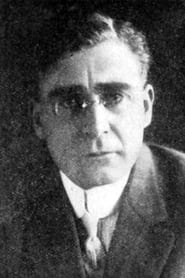
George Stanley
Actor
- Active
- 1911-1913
Films 3
About George Stanley
George Stanley was an early silent-era actor whose known screen work places him in American motion pictures between 1911 and 1913. Surviving film references associate him with titles such as The Redemption of Red Rube (1911), The Better Man (1912), and When the West Was Young (1913), indicating an active career during the formative years of narrative film in the United States. Beyond these credited appearances, publicly accessible historical records provide very little verified biographical detail about his life, and he should be regarded as one of many early performers whose contributions were preserved primarily through film credits rather than extensive publicity. His work belongs to the period when one-reel dramas and westerns were helping establish acting conventions for the screen, and performers like Stanley were part of the pool of working actors who gave shape to silent cinema’s evolving style. Because no reliable contemporary sources clearly establish his birth date, death date, birthplace, or later career, it is difficult to reconstruct a full life story without risking confusion with other individuals of the same name. What can be said with confidence is that he participated in the early development of American film during a crucial transitional moment, when the medium was moving from novelty to a more organized commercial industry. His legacy is therefore primarily historical: he stands as a representative of the many early screen actors whose names survive in filmographies even when detailed personal histories do not.
More about George Stanley
In film history
George Stanley's cultural impact is best understood within the broader history of the silent era rather than through a singular star persona. As an actor active from 1911 to 1913, he participated in the period when American cinema was establishing the grammar of screen performance, editing, and genre storytelling. Even if his surviving footprint is small, his credited appearances contribute to the historical record of the many working players who made early film production possible and helped create the industrial foundation on which later Hollywood rests. His presence in early western and drama titles also reflects the types of stories that helped popularize cinema as a mass entertainment form.
Later reputation
Stanley's lasting legacy lies in his documentary value to film history. He is part of the roster of early performers whose names remain attached to silent films, allowing historians and database researchers to trace the personnel involved in the medium's earliest years. Because no strong body of surviving biographical information is available, his legacy is less about celebrity than about representation: he is a reminder that classic cinema was built not only by major stars and auteurs but also by countless lesser-known actors whose work supported the medium's growth. For researchers, his filmography is a useful marker of the kind of professional acting labor that characterized American cinema before the studio star system fully matured.
Influence
There is no verified record showing that George Stanley directly mentored later performers or became a widely cited influence in the way major silent stars did. His influence should therefore be understood indirectly, through his participation in early screen acting at a time when many of the performance norms later associated with classic Hollywood were being formed. Actors like Stanley contributed to the practical experimentation that helped define how emotion, movement, and characterization could be communicated without sound. In that sense, his work belongs to the collective influence of the early silent generation rather than to a clearly individualized school of performance.
Off screen
No reliable biographical material is currently available that documents George Stanley's personal life, family background, marriages, or later years. Early silent-era performers were often poorly documented unless they later became major stars, and Stanley appears to be one of the many actors whose private life was not widely preserved in accessible historical sources. Without verified records, it would be speculative to assign spouses, children, education, or personal milestones to him.
Credits
- Appeared in The Redemption of Red Rube (1911), an early silent-era screen credit that places him among the working actors of the industry's formative years.
- Acted in The Better Man (1912), extending his screen presence through the early development of narrative film production.
- Appeared in When the West Was Young (1913), suggesting work in the popular frontier and western-themed pictures of the period.
- Represents the type of early-film performer whose documented career survives mainly through filmography listings rather than surviving biographies or publicity profiles.
- Contributed to silent-era filmmaking during a time when acting styles, production methods, and screen storytelling were rapidly evolving.
Films
- The Redemption of Red Rube (1911)
- The Better Man (1912)
- When the West Was Young (1913)
Notes
- George Stanley's surviving filmography is concentrated in a very short period: 1911 to 1913.
- He is associated with early silent dramas and western-themed titles, genres that were especially important in the first years of American cinema.
- Unlike major silent-era stars, he does not appear to have extensive surviving biographical documentation in commonly accessible reference sources.
- His career illustrates how many early film actors are known primarily through credits rather than publicity materials, interviews, or later reminiscences.
- The titles connected to him suggest he worked during the transition from very short films toward more developed narrative features.
- Because 'George Stanley' is a common name, careful archival identification is necessary to avoid confusing him with later or unrelated individuals.
- His filmography is valuable to historians because it helps map the personnel of the silent era, even when personal details are scarce.
Questions
Who was George Stanley?
George Stanley was a silent-era actor known from film credits dating to 1911 through 1913. He appears in early American motion pictures such as The Redemption of Red Rube, The Better Man, and When the West Was Young. Very little verified personal biographical information about him survives in widely accessible sources.
What films is George Stanley best known for?
He is best known for The Redemption of Red Rube (1911), The Better Man (1912), and When the West Was Young (1913). These titles represent his documented screen work and place him in the formative years of silent cinema. No larger body of credited surviving roles is currently confirmed in accessible reference material.
When was George Stanley born and when did he die?
At present, no reliably verified birth or death dates are available for this George Stanley. Likewise, his birthplace and death place have not been confirmed in accessible historical records. He should therefore be treated as a poorly documented silent-era performer until stronger archival evidence is found.
What awards did George Stanley win?
No awards or nominations have been verified for George Stanley. This is not unusual for early silent-era actors, many of whom worked before the modern awards culture of Hollywood developed. His significance is historical rather than award-based.
What was George Stanley's acting style?
No specific contemporary description of his acting style has been preserved in the sources currently available. As a performer in the silent era, his work would have relied on expressive physical performance, gesture, and facial expression to communicate character and emotion. Any more detailed assessment would require surviving prints, reviews, or production records.
What is George Stanley's legacy in film history?
His legacy is as a documented participant in the earliest years of American cinema. Even though he is not a widely remembered star, his credits help historians reconstruct the personnel and production practices of silent film's formative period. He represents the many working actors whose contributions supported the rise of narrative screen storytelling.