Films
2 films
About Olga Narbekova
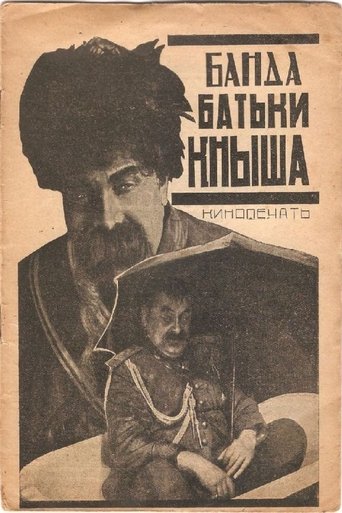
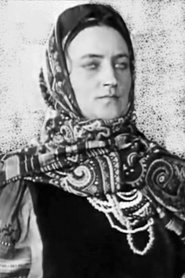
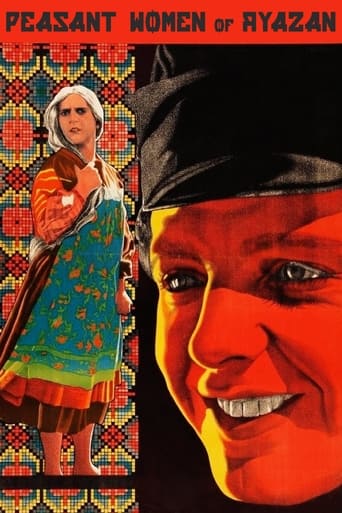
Soviet silent film actress who had a brief but notable career during the mid-1920s, appearing in some of the most significant films of early Soviet cinema. Her screen career ran from 1924 to 1927, during which she worked with prominent directors of the era and contributed to the burgeoning Soviet film industry. She made her debut in 'Banda batki Knysha' in 1924, establishing herself as a capable character actress in the emerging Soviet cinematic landscape. Her most significant role came in 1927 when she appeared in Olga Preobrazhenskaya's acclaimed film 'The Peasant Women of Ryazan,' which became Soviet films of the silent era. Narbekova's performances demonstrated the naturalistic acting style that was becoming favored in Soviet cinema, moving away from the theatrical traditions of earlier Russian film. Despite her promising start and appearances in notable productions, her film career appears to have ended after 1927, a common fate for many actors of this transitional period in Soviet cinema. Her work, however, remains preserved as part of the important cultural heritage of early Soviet filmmaking.
The Craft
On Screen
Narbekova employed the naturalistic acting style that was becoming characteristic of Soviet cinema in the 1920s, moving away from the exaggerated theatrical gestures common in earlier Russian film. Her performances emphasized authentic emotion and realistic character portrayal, aligning with the Soviet emphasis on creating relatable proletarian characters. In 'The Peasant Women of Ryazan,' she demonstrated the ability to convey complex emotions through subtle facial expressions and body language, essential skills for silent film actors.
Milestones
- Debut in 'Banda batki Knysha' (1924)
- Appeared in acclaimed Soviet film 'The Peasant Women of Ryazan' (1927)
- Contributed to early Soviet silent cinema during its formative years
Best Known For
Iconic Roles
Must-See Films
Working Relationships
Worked Often With
Studios
Why They Matter
Impact on Culture
Olga Narbekova contributed to the development of Soviet silent cinema during a crucial period of its artistic evolution. Her appearance in 'The Peasant Women of Ryazan' places her within the context of important Soviet films that helped establish the aesthetic and ideological foundations of Soviet cinema. Though not a major star, her work represents the collective effort of actors who helped create the distinctive style of Soviet filmmaking that would influence cinema worldwide. The films she appeared in are studied today as important examples of early Soviet cinematic art and social commentary.
Lasting Legacy
Olga Narbekova's legacy is preserved through her contributions to two significant films from the Soviet silent era. While she may not be widely remembered by name, her performances remain part of the historical record of Soviet cinema's golden age of silent film. 'The Peasant Women of Ryazan' in particular continues to be screened at film festivals and studied in film history courses, ensuring that her work, however brief, continues to be appreciated by cinema historians and enthusiasts. Her career exemplifies the many actors who contributed to the early Soviet cinema, even if their individual stories remain largely undocumented.
Who They Inspired
As a supporting actress during the formative years of Soviet cinema, Narbekova's direct influence on other actors or filmmakers is difficult to trace. However, her participation in films that helped establish Soviet cinematic traditions means she contributed to the broader development of acting styles and techniques that would influence subsequent generations of Soviet actors. The naturalistic approach demonstrated in her films aligned with the Soviet emphasis on creating authentic proletarian characters, a style that would continue to evolve throughout Soviet cinema history.
Off Screen
Very little is documented about Olga Narbekova's personal life, which is not uncommon for actors from early Soviet cinema, especially those with brief careers. Historical records from this period are often incomplete, particularly for supporting actors who were not among the major stars of the era. Like many actors of her generation, she may have been affected by the political and social changes that occurred in the Soviet Union during the late 1920s and early 1930s.
Did You Know?
- Appeared in only two known films during her brief career
- Worked during the transition period in Soviet cinema when the industry was establishing its unique identity
- 'The Peasant Women of Ryazan' is considered
- Her career coincided with the peak of Soviet silent cinema before the transition to sound
- Like many actors of her era, detailed biographical information is scarce
- Her film work represents the collaborative nature of Soviet cinema production in the 1920s
Frequently Asked Questions
Who was Olga Narbekova?
Soviet silent film actress active in the mid-1920s, best known for her appearances in 'Banda batki Knysha' (1924) and 'The Peasant Women of Ryazan' (1927). She was part of the generation of actors who helped establish Soviet cinema during its formative years.
What films is Olga Narbekova best known for?
Titles linked here include The Peasant Women of Ryazan (1927), Banda batki Knysha (1924).
When was Olga Narbekova active in cinema?
Olga Narbekova had a brief but notable career from 1924 to 1927, during the peak years of Soviet silent cinema. Her filmography consists of only two known films from this period.
What was Olga Narbekova's acting style?
Narbekova employed the naturalistic acting style characteristic of Soviet cinema in the 1920s, moving away from theatrical traditions to create more authentic and realistic character portrayals suitable for the emerging Soviet cinematic aesthetic.
Why is there limited information about Olga Narbekova?
Limited biographical information about Narbekova is common for supporting actors from early Soviet cinema, as historical records from this period are often incomplete and many actors who were not major stars have been largely undocumented in film history.