Films
2 films
About Grigory Mikhaylov
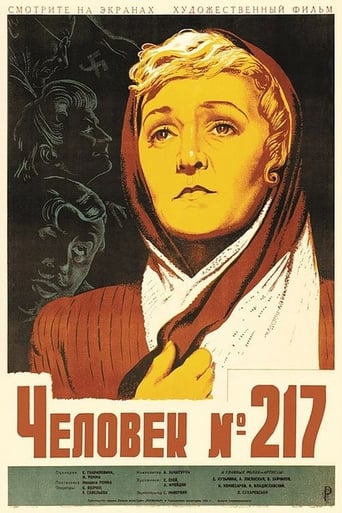
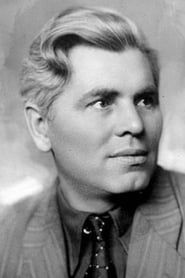
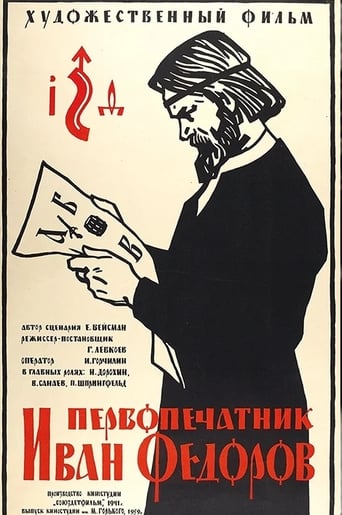
Soviet actor active during the early 1940s, appearing in two significant wartime productions that reflected the cultural and political climate of the Soviet Union during World War II. His brief but notable film career included roles in 'First Printer Ivan Fedorov' (1941), a historical biographical film celebrating Russian cultural achievements, and 'Girl No. 217' (1945), a powerful anti-fascist war drama that became Soviet films about the civilian experience of German occupation. Though his filmography was limited to these two productions, both films were significant in Soviet cinema history and received critical acclaim for their contributions to wartime morale and post-war reflection on the human cost of conflict. Mikhaylov's performances, while not extensively documented, contributed to these important works that helped shape Soviet cultural memory of the war period. His career appears to have been concentrated entirely within the wartime years 1941-1945, suggesting he may have been called to military service or his acting career was interrupted by the war's impact on Soviet film production.
The Craft
Milestones
- Appeared in 'First Printer Ivan Fedorov' (1941)
- Starred in 'Girl No. 217' (1945)
- Contributed to significant Soviet wartime cinema
Best Known For
Iconic Roles
Must-See Films
Working Relationships
Studios
Why They Matter
Impact on Culture
Grigory Mikhaylov contributed to two films that became significant cultural artifacts in Soviet cinema history. 'Girl No. 217' was particularly impactful as one of the first Soviet films to directly address the experience of Soviet citizens taken as slave laborers by Nazi Germany, helping to shape the collective memory of civilian suffering during the war. The film was widely shown across the Soviet Union and became part of the official narrative about the Great Patriotic War, influencing how subsequent generations understood the civilian experience of occupation. His participation in 'First Printer Ivan Fedorov' also contributed to the Soviet cultural project of celebrating historical figures who advanced Russian civilization and knowledge, reinforcing national pride during a time of crisis.
Lasting Legacy
While Grigory Mikhaylov himself did not achieve lasting fame as an individual performer, his work in these two historically significant films ensures his place in the broader legacy of Soviet wartime cinema. 'Girl No. 217' remains an important document of Soviet war filmmaking and is studied by film historians for its portrayal of the civilian experience of occupation. The film's impact on Soviet cultural memory of World War II means that all contributors, including Mikhaylov, are part of this enduring historical and artistic legacy.
Who They Inspired
Due to the limited scope of his film career and the scarcity of documentation about his work and techniques, there is little available information about Grigory Mikhaylov's direct influence on other actors or filmmakers. However, his participation in these significant wartime productions contributed to the broader tradition of Soviet war cinema that would influence subsequent generations of filmmakers both within and beyond the Soviet Union.
Off Screen
Very limited information is available about Grigory Mikhaylov's personal life, as is common with many Soviet actors from this period who had brief film careers and limited documentation in accessible archives.
Did You Know?
- Appeared in only two known films during his career
- Both films he appeared in were produced during World War II
- 'Girl No. 217' was one of the first Soviet films to depict the experience of Soviet slave laborers in Nazi Germany
- 'First Printer Ivan Fedorov' celebrated Russian cultural and technological achievements during a time of national crisis
- His film career appears to have been entirely contained within the wartime years 1941-1945
- Both films were produced by Mosfilm, the Soviet Union's largest and most prestigious film studio
Frequently Asked Questions
Who was Grigory Mikhaylov?
Screen credits include two significant wartime films: 'First Printer Ivan Fedorov' (1941) and 'Girl No. 217' (1945). His brief career was concentrated entirely within the World War II period, and both films he appeared in became important cultural artifacts in Soviet cinema history.
What films is Grigory Mikhaylov best known for?
Titles linked here include Girl No. 217 (1945), First Printer Ivan Fedorov (1941).
When was Grigory Mikhaylov born and when did he die?
Specific birth and death dates for Grigory Mikhaylov are not readily available in accessible historical records, which is common for many Soviet actors who had brief careers during the World War II period. His known film active years covered from 1941 to 1945.
What awards did Grigory Mikhaylov win?
There are no documented awards specifically attributed to Grigory Mikhaylov in available historical records. However, 'Girl No. 217' (1945), one of the films he appeared in, was recognized as a significant achievement in Soviet wartime cinema and received critical acclaim for its powerful anti-fascist message.
What was Grigory Mikhaylov's acting style?
Due to the limited documentation of his work and the scarcity of available information about his specific techniques and approach, detailed information about Grigory Mikhaylov's acting style is not readily accessible in historical records. His performances were part of the Soviet realist tradition prevalent in wartime cinema.