
Films
2 films
About Karl Gurnyak
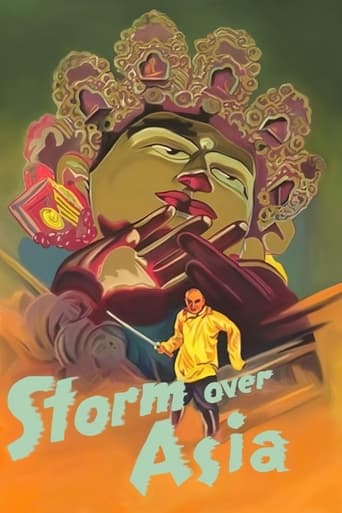
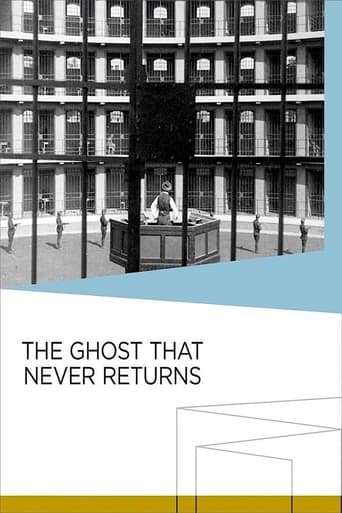
Soviet actor active during the late silent era and early sound period of Soviet cinema. His most notable work came through collaborations with prominent Soviet directors of the revolutionary cinema movement. Gurnyak appeared in Vsevolod Pudovkin's acclaimed 1928 film 'Storm Over Asia' (also known as 'The Heir to Genghis Khan'), which was part of Pudovkin's revolutionary trilogy alongside 'Mother' and 'The End of St. Petersburg'. He continued his acting career into the early sound era with a role in 'The Ghost That Never Returns' in 1930. Like many character actors of early Soviet cinema, Gurnyak's career was relatively brief but significant, contributing to the golden age of Soviet filmmaking during the 1920s. His performances reflected the dramatic, expressionist style that characterized Soviet revolutionary cinema of this period.
The Craft
On Screen
Gurnyak's acting style was characteristic of Soviet revolutionary cinema, featuring dramatic, expressionist performances that emphasized the collective struggle and ideological themes prevalent in films of this era. His approach aligned with the montage theory and dramatic intensity favored by directors like Pudovkin.
Milestones
- Appeared in Vsevolod Pudovkin's 'Storm Over Asia' (1928)
- Role in early Soviet sound film 'The Ghost That Never Returns' (1930)
- Contributed to Soviet revolutionary cinema movement
- Worked during transition from silent to sound films
Best Known For
Iconic Roles
Must-See Films
Working Relationships
Worked Often With
Studios
Why They Matter
Impact on Culture
Karl Gurnyak contributed to the golden age of Soviet revolutionary cinema during a pivotal period when Soviet filmmakers were developing innovative cinematic techniques and establishing a unique national film identity. His participation in 'Storm Over Asia' placed him within. The film itself became a classic of world cinema, studied for its innovative use of montage and powerful storytelling about colonialism and revolution.
Lasting Legacy
While Karl Gurnyak may not be widely remembered by name today, his work survives through the enduring legacy of the films he participated in. 'Storm Over Asia' remains a cornerstone of Soviet cinema and continues to be studied in film schools worldwide. His contributions, like those of many character actors from this era, helped create the early Soviet filmmaking that would influence generations of directors and actors globally.
Who They Inspired
As a supporting actor during the formative years of Soviet cinema, Gurnyak was part of the generation that established acting conventions for revolutionary films. The dramatic, ideologically-driven performance style he employed influenced subsequent generations of Soviet actors who worked in socially and politically engaged cinema.
Off Screen
Very limited information is available about Karl Gurnyak's personal life, which is common for many supporting actors from early Soviet cinema whose detailed biographical records were not preserved or widely documented.
Did You Know?
- Appeared in 'Storm Over Asia,' which was part of director Vsevolod Pudovkin's revolutionary trilogy
- Worked during the critical transition period from silent films to sound in Soviet cinema
- His film 'Storm Over Asia' was also known internationally as 'The Heir to Genghis Khan'
- The film was shot on location in Mongolia, adding authenticity to its depiction of Asian culture
- Like many Soviet actors of his era, his career was relatively brief but occurred during a golden age of Soviet filmmaking
- His work exemplified the montage theory and dramatic style that made Soviet cinema internationally influential
Frequently Asked Questions
Who was Karl Gurnyak?
Soviet with credits in this catalog. He was part of the revolutionary cinema movement in Soviet filmmaking.
What films is Karl Gurnyak best known for?
Titles linked here include Storm Over Asia (1928), The Ghost That Never Returns (1930).
When was Karl Gurnyak born and when did he die?
Specific birth and death dates for Karl Gurnyak are not well documented in available historical records, which is common for many supporting actors from early Soviet cinema.
What awards did Karl Gurnyak win?
There are no documented awards or nominations for Karl Gurnyak in available film history records, which was typical for many character actors of his era.
What was Karl Gurnyak's acting style?
Gurnyak's acting style reflected the dramatic, expressionist approach characteristic of Soviet revolutionary cinema, emphasizing ideological themes and the collective struggle that defined films of this period.
Did Karl Gurnyak work with any famous directors?
Yes, Karl Gurnyak worked with renowned Soviet director Vsevolod Pudovkin on 'Storm Over Asia,'.