Films
2 films
About Vimala Vashisht
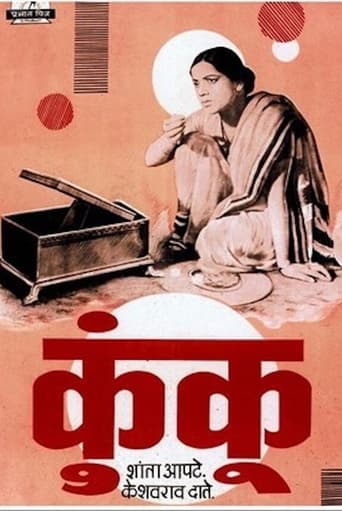
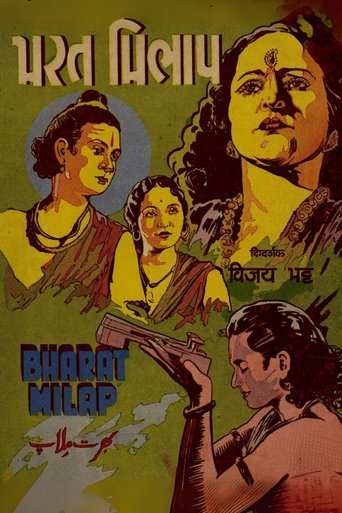
Prominent actress in early Indian cinema during the transition from silent films to talkies in the late 1930s and early 1940s. She gained significant recognition for her role in V. Shantaram's Marathi film 'Kunku' (1937), which was also released in Hindi as 'Duniya Na Mane'. Her performance in this socially progressive film showcased her ability to portray complex female characters challenging traditional norms. Vashisht continued her acting career with notable appearances in films like 'Bharat Milap' (1942), further establishing herself as a versatile performer in the burgeoning Indian film industry. Her career, though relatively brief, coincided with a crucial period in Indian cinema when filmmakers were beginning to explore socially relevant themes and realistic storytelling. She worked during an era when actresses were breaking new ground in Indian cinema, moving away from stereotypical roles to more substantial characters that reflected the changing social landscape of pre-independence India.
The Craft
On Screen
Known for naturalistic portrayals in socially relevant films, particularly adept at playing strong female characters who challenged traditional societal norms. Her acting style reflected the realistic approach that directors like V. Shantaram were in Indian cinema during the 1930s.
Milestones
- Starred in V. Shantaram's acclaimed film 'Kunku' (1937)
- Appeared in 'Bharat Milap' (1942)
- Part of the golden era of early Indian talkies
- Worked in both Marathi and Hindi cinema
Best Known For
Iconic Roles
Must-See Films
Working Relationships
Worked Often With
Studios
Why They Matter
Impact on Culture
Vimala Vashisht contributed to early Indian cinema during a pivotal period when films were beginning to address social issues and women's emancipation. Her role in 'Kunku' was particularly significant as the film was ahead of its time in addressing issues like child marriage and women's autonomy. The film was one of the earliest Indian movies to present a strong feminist perspective, and Vashisht's performance helped establish a new archetype for female characters in Indian cinema - women who could think independently and challenge patriarchal structures.
Lasting Legacy
Though her career was relatively short, Vimala Vashisht's work in films like 'Kunku' remains part of the foundation of socially conscious Indian cinema. Her performances helped pave the way for future generations of actresses who would take on substantial, meaningful roles rather than being confined to decorative or stereotypical characters. The films she appeared in, particularly 'Kunku,' are still studied and appreciated for their progressive themes and artistic merit.
Who They Inspired
While direct documentation of her influence on other actors is limited, her work in socially relevant films contributed to the broader movement in Indian cinema toward realistic storytelling and meaningful content. The success of films like 'Kunku' demonstrated that audiences were receptive to progressive themes, influencing future filmmakers to tackle similar subjects.
Off Screen
Very limited information is available about Vimala Vashisht's personal life, which was common for many actors from early Indian cinema whose personal details were not extensively documented. Like many actresses of her era, she maintained a private life away from the public eye.
Did You Know?
- 'Kunku' (1937) was one of the earliest Indian films to deal with the subject of women's emancipation
- The film was simultaneously made in Marathi and Hindi versions, with Vashisht appearing in both
- 'Kunku' was directed by the legendary V. Shantaram, known for his socially conscious films
- The film was considered quite bold for its time, challenging traditional marriage practices
- Vashisht worked during the early years of Indian talkies, when the industry was still establishing its artistic and technical foundations
- Her active years covered the crucial period just before Indian independence, when cinema was becoming an important medium for social commentary
Frequently Asked Questions
Who was Vimala Vashisht?
Indian actress who worked in cinema during the late 1930s and early 1940s, appearing in notable films like 'Kunku' (1937) and 'Bharat Milap' (1942). She was part of the early Indian talkies era and worked with acclaimed director V. Shantaram.
What films is Vimala Vashisht best known for?
Titles linked here include Kunku (1937), Bharat Milap (1942).
When was Vimala Vashisht active in films?
Vimala Vashisht was active in Indian cinema from approximately 1937 to 1942, working during the crucial early years of Indian talkies when the film industry was establishing its artistic identity.
What was special about her role in 'Kunku'?
Her role in 'Kunku' was significant because the film was ahead of its time in addressing women's issues and challenging traditional marriage practices. She portrayed a strong female character who rebelled against an arranged marriage with an elderly man.
Did Vimala Vashisht work in any particular film studio?
She primarily worked with Prabhat Film Company,.