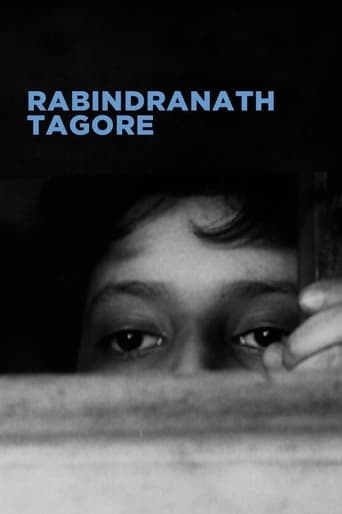
Films
1 film
About Kallol Bose
Kallol Bose worked on 1961 documentary film 'Rabindranath Tagore' directed by the renowned filmmaker Satyajit Ray. This documentary was a significant cultural project that explored the life and works of Nobel laureate Rabindranath Tagore, one of India's most celebrated poets and philosophers. Bose's participation in this film places him within the context of India's parallel cinema movement of the early 1960s, which sought to create artistically meaningful films beyond commercial entertainment. The documentary was commissioned by the Government of India to commemorate Tagore's birth centenary and was one of the earliest comprehensive cinematic portraits of the literary giant. While details about Bose's broader career remain scarce, his involvement in this landmark documentary suggests he was connected to the intellectual and artistic circles of Bengali cinema during this period. The film itself was critically acclaimed for its sensitive portrayal of Tagore's multifaceted personality and contributions to Indian culture.
The Craft
Milestones
- Appeared in Satyajit Ray's documentary 'Rabindranath Tagore' (1961)
- Participated in the centenary celebration film of Nobel laureate Rabindranath Tagore
Best Known For
Iconic Roles
Must-See Films
Working Relationships
Worked Often With
Why They Matter
Impact on Culture
Kallol Bose's contribution to Indian cinema, while limited to a single documented appearance, is part of the broader cultural movement to preserve and celebrate India's intellectual heritage through film. His participation in the Tagore documentary places him within the important tradition of Indian parallel cinema that sought to document and honor the nation's cultural icons. The film itself represents a significant moment in Indian documentary filmmaking, being one of the first comprehensive cinematic treatments of Rabindranath Tagore's life and works, helping to introduce Tagore's philosophy and artistic contributions to wider audiences both in India and internationally.
Lasting Legacy
While Kallol Bose may not have an extensive filmography, his legacy is tied to the preservation of Rabindranath Tagore's cultural memory through cinema. The 1961 documentary remains an important historical document that continues to be referenced in academic and cultural discussions about Tagore's life. As a participant in this landmark project, Bose contributed to the broader effort of documenting India's intellectual and artistic heritage during the post-independence period, when cinema was increasingly recognized as a powerful medium for cultural education and preservation.
Who They Inspired
Given the limited documentation of Kallol Bose's career, his direct influence on other actors or filmmakers is difficult to trace. However, his involvement in a Satyajit Ray project places him within the influential circle of artists who helped shape Indian parallel cinema, which in turn inspired generations of filmmakers across India and beyond to pursue cinema as a medium for artistic expression and cultural documentation.
Off Screen
Limited information is available about Kallol Bose's personal life. His appearance in the Tagore documentary suggests he may have had connections to the literary and cultural circles of Bengal, given the film's prestigious nature and its focus on one of the region's most revered figures.
Did You Know?
- The documentary 'Rabindranath Tagore' was commissioned by the Government of India to commemorate Tagore's birth centenary in 1961
- Satyajit Ray, who directed the documentary, was himself deeply influenced by Tagore's works and philosophy
- The film was one of the first comprehensive documentaries about Tagore's life and contributions
- The documentary featured narration by Ray himself and included rare photographs and archival material
- Tagore was the first non-European to win the Nobel Prize in Literature in 1913
- The film was shot in black and white, which was typical for Indian documentaries of that era
- Ray's documentary approach was considered revolutionary for its time, blending personal recollections with historical documentation
Frequently Asked Questions
Who was Kallol Bose?
Indian with credits in this catalog. His career appears to have been primarily centered around this significant cultural project that documented the life of the Nobel laureate poet and philosopher.
What films is Kallol Bose best known for?
Titles linked here include Rabindranath Tagore (1961).
When was Kallol Bose born and when did he die?
Specific birth and death dates for Kallol Bose are not documented in available sources. His only known film appearance was in 1961, suggesting he was active during the early 1960s in Indian cinema.
What awards did Kallol Bose win?
There are no documented awards or nominations specifically for Kallol Bose in available film history sources. However, the documentary 'Rabindranath Tagore' in which he appeared was critically acclaimed as an important cultural work.
What was Kallol Bose's acting style?
Given the limited documentation of his work, specific details about Kallol Bose's acting style are not available. His appearance in a documentary suggests he may have been involved in narrating or presenting aspects of Tagore's life rather than traditional dramatic acting.