Films
2 films

About Vinnie Burns
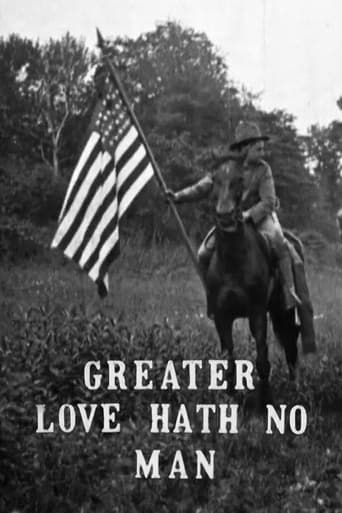
American actor who worked during the early silent film era, with a brief but notable career spanning from 1911 to 1913. Vinnie appears in at least two films during this period, including 'Greater Love Hath No Man' in 1911 and 'A House Divided' in 1913, which represent his known filmography. Like many actors of this era of cinema, Burns was part of the transitional period when film was evolving from novelty to serious artistic medium. His career coincided with the early development of narrative cinema, when actors were often uncredited and films were typically short one-reel productions. The brevity of his film career suggests he may have been among the many early performers who briefly participated in the burgeoning film industry before pursuing other interests or returning to stage work. Unfortunately, like many actors from this formative period of American cinema, detailed records of his life and career have been lost to time.
The Craft
Milestones
- Appeared in 'Greater Love Hath No Man' (1911)
- Starred in 'A House Divided' (1913)
- Worked during the era of American silent cinema
Best Known For
Must-See Films
Why They Matter
Impact on Culture
Vinnie Burns represents the countless actors who participated in the birth of American cinema but whose contributions have been largely forgotten by history. His work during the 1911-1913 period places him among the pioneers of narrative filmmaking, when the industry was still establishing its conventions and techniques. While his individual impact may be difficult to trace, he was part of the foundation upon which Hollywood would be built, contributing to the early development of film as an art form and entertainment medium.
Lasting Legacy
The legacy of Vinnie Burns is primarily historical, serving as a reminder of the many anonymous performers who helped establish cinema in its earliest days. His brief filmography exemplifies the transient nature of early film careers, when many actors appeared in only a handful of films before disappearing from the record. While his films may be lost, like many from this period, his contribution to the evolution of American cinema represents the collective effort of countless early pioneers.
Who They Inspired
Given the brevity of his career and the obscurity of his work, Vinnie Burns' direct influence on subsequent actors and filmmakers cannot be clearly documented. However, like all actors of his era, he contributed to the development of screen acting techniques that would later be refined and expanded by future generations of performers.
Off Screen
Very little is known about Vinnie Burns' personal life, which is common for actors from the very early silent film era when detailed biographical records were rarely maintained. Like many performers of this period, he may have come from a theater background or been drawn to the new medium of film during its infancy.
Did You Know?
- Vinnie Burns had an extremely brief film career spanning only two years (1911-1913)
- Both of his known films were produced during the very early silent era
- Like many actors of this period, he was likely without on-screen billing in his films
- His career began before Hollywood had become the center of American film production
- The films he appeared in were likely one-reel productions, typical of the era
- No known photographs of Vinnie Burns appear to survive
- His films are likely lost, as is common with over 90% of films from this period
- He represents the countless anonymous pioneers of early American cinema
Frequently Asked Questions
Who was Vinnie Burns?
American with credits in this catalog. He appeared in at least two films, 'Greater Love Hath No Man' (1911) and 'A House Divided' (1913), representing a typical career of an actor from cinema's period.
What films is Vinnie Burns best known for?
Titles linked here include Greater Love Hath No Man (1911), A House Divided (1913).
When was Vinnie Burns born and when did he die?
Unfortunately, the birth and death dates of Vinnie Burns are not known, which is common for actors from the very early silent era when detailed biographical records were rarely maintained.
What awards did Vinnie Burns win?
Vinnie Burns did not receive any known awards or honors, which was typical for actors during the early 1910s before the establishment of formal award ceremonies like the Academy Awards.
What was Vinnie Burns' acting style?
Specific details about Vinnie Burns' acting style are not documented. However, actors of his era typically used exaggerated gestures and expressions suitable for silent film, as the medium was still developing its own unique performance techniques.
Why is so little known about Vinnie Burns?
The scarcity of information about Vinnie Burns reflects the historical reality of early cinema, when many actors were uncredited, records were poorly maintained, and the industry itself was still in its infancy. Many performers from this period have been lost to history despite their contributions to film's development.