Films
3 films
About Antonin Pankryshev
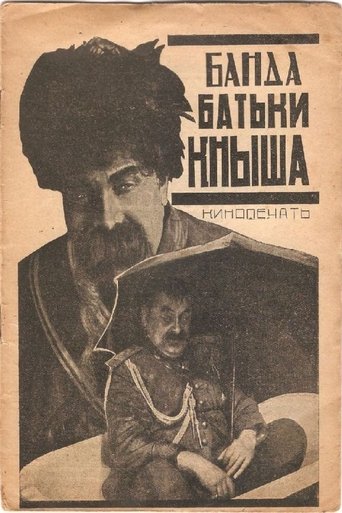
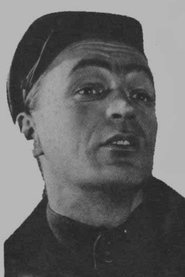
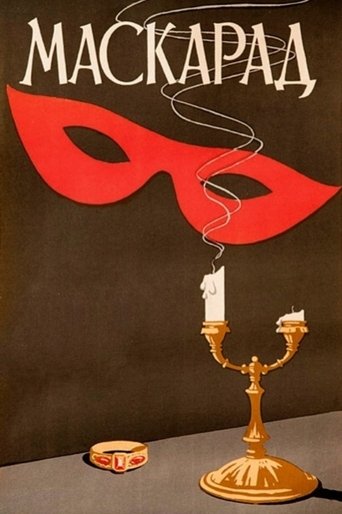
Actor active during the early Soviet cinema period, with a career spanning from the silent era into the early sound period. His known filmography includes appearances in 'Banda batki Knysha' (1924), placing him among the actors of Soviet silent film, and 'Masquerade' (1941), which suggests he successfully transitioned into sound cinema. The nearly two-decade gap between these known works indicates he likely appeared in other films during this period, though many records from early Soviet cinema have been lost or poorly documented. His a transformative period in Russian and Soviet film history, witnessing the transition from silent films to talkies and the evolution of cinematic styles under the Soviet system. While specific details about his life and career remain scarce, his participation in films from both the 1920s and 1940s suggests he was a working actor who adapted to the changing landscape of Soviet cinema.
The Craft
Milestones
- Appeared in the silent film 'Banda batki Knysha' (1924)
- Transitioned successfully to sound cinema with 'Masquerade' (1941)
- Maintained an acting career across nearly two decades of Soviet cinema history
Best Known For
Must-See Films
Why They Matter
Impact on Culture
As an actor working during the formative years of Soviet cinema, Antonin Pankryshev contributed to the development of a national film industry that would eventually produce some of the most influential filmmakers in world cinema. While not among the most celebrated names of the era, his participation in films from both the silent and early sound periods represents the continuity of artistic practice through major technological and political transitions in Soviet history. His work in 'Banda batki Knysha' (1924) places him among the generation of actors who helped establish the language of Soviet silent film, while his appearance in 'Masquerade' (1941) demonstrates his adaptability to the sound era and the evolving aesthetic demands of Stalinist cinema.
Lasting Legacy
Antonin Pankryshev's legacy is primarily preserved through the surviving films in which he appeared, serving as proof of the working actors who formed the backbone of Soviet cinema during its formative decades. While major stars and directors from this period are well-documented, actors like Pankryshev represent the countless performers who contributed to the cultural landscape of their time without achieving widespread fame. His career trajectory from the experimental 1920s to the more controlled cinematic environment of the 1940s mirrors the broader evolution of Soviet film history, making him a representative figure of the professional actor navigating changing political and artistic climates.
Who They Inspired
Due to the limited documentation of his career and the apparent nature of his roles, it's difficult to trace specific influences that Antonin Pankryshev may have had on other actors or filmmakers. However, as a working actor who successfully transitioned from silent to sound cinema, he would have been part of the generational transfer of acting techniques and professional practices that helped sustain the Soviet film industry through its various phases of development.
Off Screen
Very little information is available about Antonin Pankryshev's personal life, which is not uncommon for actors from this period of Soviet cinema, particularly those who were not among the most prominent stars. Many records from this era have been lost or were never thoroughly documented, especially for supporting actors.
Did You Know?
- Appeared in films spanning both the silent and early sound eras of Soviet cinema
- The 17-year gap between his known film appearances suggests either a long career with many undocumented works or possibly a period away from filmmaking
- Many Soviet films from the 1920s-1940s have been lost, making complete documentation of actors' filmographies challenging
- His name appears in Cyrillic as Антонин Панкрышев in Russian sources
- The film 'Masquerade' (1941) was based on the play by Mikhail Lermontov
- Soviet cinema of the 1920s was among the most innovative in the world, though often focused on collective rather than individual achievements
Frequently Asked Questions
Who was Antonin Pankryshev?
Soviet with credits in this catalog. His active years covered the transition from silent films to early sound cinema, though detailed records of his life and work are limited.
What films is Antonin Pankryshev best known for?
Titles linked here include Banda batki Knysha (1924), Masquerade (1941).
When was Antonin Pankryshev born and when did he die?
Specific birth and death dates for Antonin Pankryshev are not readily available in existing film databases and historical records, which is not uncommon for supporting actors from this period of Soviet cinema.
What awards did Antonin Pankryshev win?
There are no documented awards or honors specifically attributed to Antonin Pankryshev in available film historical records, suggesting he was primarily a working actor rather than a celebrated star of his era.
What was Antonin Pankryshev's acting style?
While specific details about his acting technique are not documented, as an actor working in both silent and early Soviet sound cinema, he would have been trained in the theatrical style typical of the period, which emphasized clear expression and projection for both visual and audio mediums.
Why is there limited information about Antonin Pankryshev?
The scarcity of information about Antonin Pankryshev reflects broader challenges in documenting early Soviet cinema, where many records were lost during political upheavals, wars, and the general focus on collective rather than individual achievements in film history.