Nadezhda Borskaya
Actor
Born: 1898 in Russian Empire Died: 1988 Active: 1927-1945 Birth Name: Nadezhda Ivanovna Borskaya
Films
2 films
About Nadezhda Borskaya
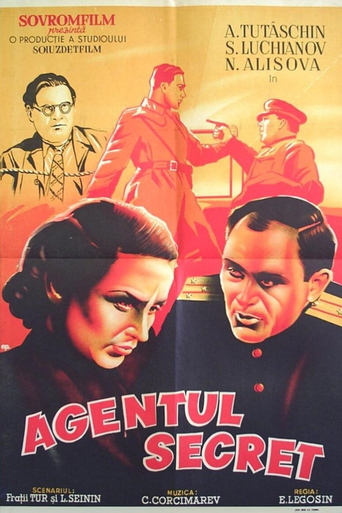
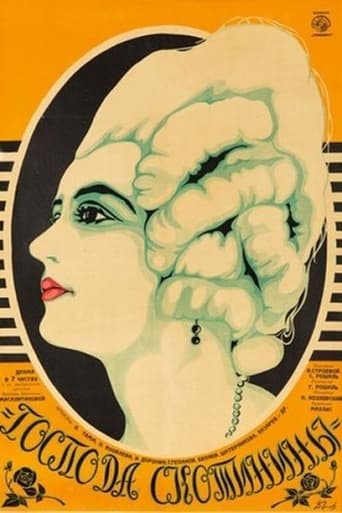
Soviet actress who worked primarily during the transition from silent films to early sound cinema in the USSR. Her nearly two decades, beginning in the mid-1920s during the golden age of Soviet silent film and continuing through World War II. Nadezhda appears in both dramatic and comedic roles, showcasing versatility in her performances. Her most notable silent film was 'The Gentlefolks of Skotinin' (1927), a satirical comedy based on classic Russian literature. As Soviet cinema transitioned to sound in the 1930s, Borskaya adapted her acting style to the new medium. Her later work in 'Agentul Secret' (1945) demonstrated her ability to work in wartime propaganda films, which were crucial to Soviet cinema during the Great Patriotic War. Though never achieving the international fame of some of her contemporaries, she contributed to the development of Soviet cinema during a pivotal historical period.
The Craft
On Screen
Borskaya's acting style evolved from the exaggerated expressions typical of silent film to more naturalistic performances in sound films. Her work in comedies demonstrated a talent for physical comedy and timing, while her dramatic roles showed emotional depth appropriate for the socialist realist aesthetic demanded by Soviet cinema of the 1930s and 1940s.
Milestones
- Starred in 'The Gentlefolks of Skotinin' (1927), a notable Soviet silent comedy
- Successfully transitioned from silent to sound films
- Appeared in wartime cinema during WWII
- Worked during Stalinist era of Soviet film production
Best Known For
Iconic Roles
Must-See Films
Working Relationships
Studios
Why They Matter
Impact on Culture
Nadezhda Borskaya represents the generation of Soviet actors who bridged the gap between the revolutionary experimentation of 1920s Soviet cinema and the more rigid socialist realist style of the 1930s and 1940s. Her work in both silent and sound films illustrates the technical and artistic evolution of Soviet cinema during its formative decades. While not internationally recognized, she contributed to the domestic film culture that entertained and educated Soviet audiences during times of tremendous social and political change.
Lasting Legacy
Borskaya's legacy lies in her contribution to Soviet cinema during its transition from silent to sound films, a period of significant technical and artistic development. Her performances in both comedic and dramatic genres showcase the versatility required of actors working under the Soviet system. As a woman working in film during the early Soviet period, she was part of the first generation of professional Soviet actresses who helped establish the foundations of Russian film acting.
Who They Inspired
Information about specific actors she influenced is limited, but as part of the early generation of Soviet film actors, she contributed to establishing acting traditions and techniques that would influence subsequent generations of Soviet performers.
Off Screen
Limited information is available about Nadezhda Borskaya's personal life, which was common for many Soviet actors of her generation who maintained private lives away from public scrutiny. She lived through major historical periods including the Russian Revolution, Stalin's regime, and World War II, which undoubtedly influenced her career and personal experiences.
Education
Information about her formal education is not readily available, though she likely received theater training typical of Soviet actors of her era.
Did You Know?
- Her active years covered the entire period from late silent Soviet cinema through WWII
- She worked during Stalin's regime when artistic expression was heavily controlled
- The Gentlefolks of Skotinin (1927) was based on classic Russian literature
- Her last known film appearance was in 1945, the year WWII ended
- She lived to be 90 years old, outlasting most of her contemporaries
- Like many Soviet actors, her work served both artistic and ideological purposes
- She transitioned successfully between silent and sound film formats
Frequently Asked Questions
Who was Nadezhda Borskaya?
Soviet actress active from 1927 to 1945 who worked during the transition from silent to sound films in the USSR. She appeared in notable films including 'The Gentlefolks of Skotinin' (1927) and 'Agentul Secret' (1945).
What films is Nadezhda Borskaya best known for?
Titles linked here include The Gentlefolks of Skotinin (1927), Agentul Secret (1945).
When was Nadezhda Borskaya born and when did she die?
Born 1898; died 1988.
What awards did Nadezhda Borskaya win?
There are no documented major awards or honors for Nadezhda Borskaya, which was common for many Soviet actors of her generation who worked primarily in supporting roles rather than starring positions.
What was Nadezhda Borskaya's acting style?
Her acting style evolved from the exaggerated expressions typical of silent film to more naturalistic performances in sound films, adapting to the socialist realist aesthetic demanded by Soviet cinema of the 1930s and 1940s.